Category: Magzine

5 Winter Fashion Trends for Kids in Pakistan

Winter in Pakistan can be harsh in some areas and mild in others, but one thing is constant: parents want their kids to stay warm while looking stylish. Kids’ fashion has come a long way, and winter clothing now combines comfort, functionality, and trends. 

From cozy jackets to layered outfits, Pakistani parents are exploring options that protect against the cold while keeping their little ones looking cute and fashionable.

In this blog, we will explore the top five winter fashion trends for kids in Pakistan. Each trend is explained with examples, styling tips, and practical suggestions for parents to recreate these looks affordably at home.

1. Layering with Cozy Jackets and Vests

Layering is not just practical; it is stylish too. Pakistani kids are rocking layered outfits that combine jackets, vests, and cardigans over casual shirts or t-shirts.

Parents can start with a light inner layer like a cotton long-sleeve top or thermal shirt. Add a puffer jacket, quilted vest, or fleece hoodie for warmth. Neutral shades like beige, grey, and navy are trending, but bright colors like mustard, red, and forest green are also popular to add a playful vibe.

Styling Tips

  • Combine different textures, such as cotton innerwear with fleece jackets.
  • Opt for jackets with removable hoods for flexibility.
  • Vests over long-sleeve shirts allow more mobility while keeping the core warm.

Layering allows children to adjust to changing temperatures during the day, making it both functional and fashionable.

2. Knitwear: Sweaters, Cardigans, and Pullovers

Knitwear is a timeless trend that works perfectly in Pakistani winters. Sweaters, pullovers, and cardigans are making a comeback with new patterns and vibrant colors suitable for kids.

Chunky knit sweaters with geometric prints or animal motifs are particularly popular. Cardigans can be layered over shirts and paired with leggings or pants, creating a cozy and versatile outfit. Soft, breathable yarns ensure comfort for sensitive skin, which is important for kids who might spend hours in school or outdoor play.

Styling Tips

  • Match knitwear with neutral bottoms to balance bold designs.
  • Choose cardigans with buttons or zippers for easy dressing.
  • Add a scarf or hat in complementary colors to complete the look.

Knitwear is a practical option for indoor and outdoor use, keeping children warm without restricting movement.

3. Winter Footwear: Boots and Sneakers

Footwear is a crucial part of winter fashion. Boots and sneakers designed for kids are trending, combining style, grip, and insulation.

Water-resistant boots are ideal for rainy or snowy conditions, while high-top sneakers add both warmth and a sporty aesthetic. In Pakistan, neutral shades like brown, black, or grey remain popular, but parents are also exploring bold colors and patterns that make footwear a statement piece.

Styling Tips

  • Pair ankle boots with jeans or leggings for casual outings.
  • High-top sneakers work well with layered outfits and jackets.
  • Ensure shoes have proper grip and cushioning for outdoor safety.

Choosing practical footwear helps parents keep children safe while allowing them to enjoy winter activities comfortably.

4. Printed Winter Pajamas and Loungewear

Winter fashion isn’t just about outdoor clothing. Kids spend more time indoors, so cozy pajamas and loungewear have become a style trend.

Starry prints, animal motifs, and floral patterns are popular in Pakistan for winter nightwear. Fleece-lined pajamas, soft cotton sets, and thermal pajamas keep kids comfortable and warm. Matching sets also make mornings easier for parents while keeping the child looking adorable.

Styling Tips

  • Choose pajamas with snug cuffs to retain warmth.
  • Pair printed tops with solid-colored bottoms if mixing patterns.
  • Opt for breathable fabrics to prevent overheating indoors.

Stylish loungewear ensures kids feel cozy while maintaining a sense of fashion at home.

5. Accessories: Hats, Gloves, and Scarves

Winter accessories are essential and trending in kids’ fashion. Hats, gloves, and scarves not only protect from the cold but also complete any winter outfit.

Knitted beanies, earmuffs, and colorful scarves add a playful touch. Fingerless gloves or mittens are convenient for toddlers learning to handle small objects. Parents are opting for soft, hypoallergenic materials to avoid skin irritation.

Styling Tips

  • Coordinate accessories with jackets or shoes for a cohesive look.
  • Choose fun colors or patterns to encourage kids to wear them.
  • Layer hats over hoods for extra protection on extremely cold days.

Well-chosen accessories can elevate basic outfits, making them functional and trendy simultaneously.

Conclusion

Winter fashion for kids in Pakistan is evolving into a balance of style, comfort, and practicality. Layered outfits, knitwear, functional footwear, cozy loungewear, and playful accessories create trends that parents can easily adopt. 

By choosing comfortable fabrics, versatile pieces, and age-appropriate accessories, children can enjoy the season while looking stylish. Parents can experiment with patterns, colors, and textures to recreate celebrity-inspired or modern looks at home. 

The key is to prioritize warmth and mobility without compromising fashion, allowing children to feel confident and comfortable during Pakistan’s chilly winter months.

FAQs

1. What fabrics are best for kids during winter in Pakistan?

Cotton, fleece, wool blends, and thermal fabrics are ideal. They provide warmth while allowing skin to breathe and prevent overheating.

2. Are layered outfits suitable for young children?

Yes, layering helps adjust to temperature changes throughout the day and allows children to move freely while staying warm.

3. How can I make winter clothing fun for my child?

Mix patterns, colors, and textures. Add accessories like hats, mittens, or colorful boots to make outfits playful and engaging.

4. What kind of footwear is practical for Pakistani winters?

Water-resistant boots, high-top sneakers, or insulated shoes are best. Choose footwear with good grip and comfort for outdoor play.

5. How do I choose winter accessories for toddlers?

Select soft, hypoallergenic materials. Opt for easy-to-wear hats, mittens, or scarves in fun colors or prints that encourage them to use them consistently.
What Fabrics Are Best for Kids to Wear in the Winter?

Chilly winds start blowing, and mothers get their priorities straight. The first thing they want is to stock their children’s wardrobe with the warmest but comfortable winter clothes. 

Finding the right winter outfit with the right fabrics is what needs special attention. It’s not about piling on layers to keep your kid warm. It’s about choosing the right fabric that is warm and allows movement. 

Mothers are well aware that kids are mostly very playful and often sensitive to heavy or scratchy fabric. That’s where the importance of the right fabric for winter clothing comes in. 

We have this informative blog prepared for you to guide you through the best winter fabrics for kids and their pros and cons. Mothers, read on, for you will definitely find what you are looking for. 

Importance of Choosing the Right Fabric

Many important factors come into consideration when explaining the importance of choosing the right fabric for your kid’s winter outfits. Some of which are listed below: 

  • Provides the right amount of warmth and in no case causes overheating. 
  • Wick away sweat so that your kid doesn’t smell. 
  • Soft to the child’s sensitive skin so that there’s no problem of irritation or allergy on the skin.
  • Durability guaranteed, as kids play rough.
  • Washable and easy to maintain, as winter wear is usually a bit expensive.  

Key Qualities to Look for in Winter Clothes Fabric

Here is a list of what mothers should look for in the best fabric for winter clothing for their kids: 

  1. The fabric should be insulated to keep your child warm in the chilly winter winds.
  2. Its breathability should be enough to prevent overheating.
  3. The material should be able to wick sweat and protect your kid from any type of dampness.
  4. The softness of the fabric is as important as keeping warm.
  5. It should be able to withstand outdoor play and frequent washes. 

Best Fabrics for Kids’ Winter Wear

  1. Wool

It is one of the oldest fabrics that has been used for winter clothing. Wool is best known for its warming powers and durability.

Pros: It’s a natural insulator and breathable.

Cons: It might feel scratchy if not cared for a long time or if washed improperly.

Used in: Wool is used in sweaters and coats mostly. Scarves and mittens are also popular in this fabric. 

  1. Fleece

Fleece is the coziest material and is very lightweight. Mothers absolutely love it as a winter outfit fabric. 

Pros: It has the softest texture and dries quickly. Its lightweight doesn’t make it less warm. 

Cons: Fleece might not be as breathable as natural fibers. 

Used in: Many jackets and hoodies are made of fleece. Blankets are also fleece-made. 

  1. Cotton 

Cotton might not be the warmest fabric, but when it is layered and combined with warmer fabrics, it makes an adequate winter clothing fabric. 

Pros: It is very gentle to the skin and is easy to wash.

Cons: Cotton soaks up moisture and, hence, is not ideal to be worn as an outer layer in winter.

Used in: Undershirts and inner leggings made of cotton are very popular winter essentials. 

  1. Flannel

It is actually just cotton or wool, which is perfectly brushed with a soft finish. 

Pros: Flannel fabric is soft and warm. It is perfect for layering purposes in winter.

Cons: As it is cotton, it’s not suitable for wet weather. 

Used in: Pajamas and shirts are made of these, along with bedsheets. 

  1. Synthetic Insulation

It is mostly used in puffer jackets and snowsuits. The snowy areas require synthetically insulated fabric to stay warm even in the snow. 

Pros: As the name suggests, it’s best for insulation purposes and traps heat well.

Cons: It can be bulky sometimes and requires special care for its maintenance. 

Used in: Synthetic insulation is used in jackets and vests. 

  1. Thermal Knit 

Thermal knits are specifically used for innerwear as they trap the heat close to the body and keep your child warm in winter. 

Pros: These are warm and stretchy, which makes them a perfect option for layering.

Cons: It can only be used for layering.

Used in: Thermal knitted undersuits and leggings keep you warm even in the fiercest winter winds. 

  1. Velvet 

Velvet is a premium winter outfit fabric and is mostly used in dresses. 

Pros: It is plush and gives the coziest feeling.

Cons: Velvet is very delicate to wash and cannot keep out moisture.

Used in: Velvet dresses and holiday outfits are what you would wear on winter holiday occasions. 

  1. Denim 

The Genz find denim a very fashionable fabric for winter outfits. It needs to be paired with fleece or flannel, and it makes a very good option for kids. 

Pros: Denim is durable and very stylish.

Cons: It gets heavy when it absorbs moisture. 

Used in: Mainly jeans and overalls are made of denim. 

Layering Winter Outfits Using Different Fabrics

Kids need layers instead of just stuffing them into a heavy outfit. It will not only help them remain more comfortable in warm clothing, but layering can keep them warmer than a single heavy outfit. 

Here is a basic three-layer rule for all mothers: 

  1. The base layer should consist of a cotton or thermal knit. 
  2. The middle layer should be made of wool or fleece to trap the heat.
  3. The outer layer can be anything you want, such as an insulated jacket for snowy areas or a wool sweater for chilly winds. 

Fabric Tips for Babies and Older Kids

Babies

Mothers prefer soft fabrics like cotton or fleece for babies, as their skin is the most sensitive. Scratchy wool should be avoided at all costs on their skin. Onesies and cozy sleep sacks should be used for a healthy and comfortable baby’s sleep. 

Toddlers & Preschoolers

Going up to durable fleece and denim for the kids aged between 2 and 6 can be a good option, especially for their outdoor play. Mothers should opt for fun prints and vibrant colors to keep the kids satisfied with their dressing. 

School-Age Kids

Older kids aged 6 and onwards can be dressed in performance fabrics. Wool sweaters are a favorite among children of such ages, along with cute jackets. Accessories like scarves and mittens can also be used for extra warmth. 

Eco-Friendly Winter Fabrics

With the growing global warming across the world, sustainable options are getting popular day by day. Here are some options for eco-friendly winter fabrics: 

  • Organic cotton is chemical-free and feels gentle on the skin. It makes a very nice and warm winter fabric. 
  • Made from plastic bottles, recycled fleece is a cozy and eco-friendly winter fabric.
  • Clothes made from bamboo blends are a new addition and are extremely sustainable. 

Quick Outfit Ideas for Different Winter Activities

ActivitySuggested OutfitsAccessories
Indoor PlaydateCotton base layer, fleece hoodieFun socks, soft slippers
Outdoor Park DayThermal leggings, wool sweater, down jacketWool hat, gloves, sneakers
Snow PlayThermal base, fleece mid-layer, snow suitWaterproof boots, mittens
Holiday PartyVelvet dress, sweater with lined leggingsStylish boots, headband
BedtimeFlannel pajamas, cotton undershirtCozy blanket, socks

Conclusion

Dressing kids in the winter, that too in the best fabric, is what all mothers want for their kids. The best options start from wool, and the list goes on. Making the best combination of all is the key. 

Smart layering is important as you, as mothers, need to ensure that your children stay warm and comfortable in everything you dress them in. Always make sure that your child is all prepared for an adventurous winter. 

The Best Kids’ Outfits for a Traditional Pakistani Wedding

Traditional Pakistani weddings are grand, colorful celebrations filled with love, music, and vibrant cultural practices. As parents, dressing your kids for such an occasion can be both exciting and challenging. You want them to look their best, but you also want them to be comfortable enough to enjoy the festivities. 

From the mehndi to the nikkah and the walima, Pakistani weddings are long and filled with various rituals. Kids play a vital role in these events, and their outfits should reflect the beauty of the occasion. 

In this blog, we’ll explore the best kids’ outfits for a traditional Pakistani wedding, balancing comfort, style, and cultural elegance, so your little ones can shine while celebrating these special moments.

Understanding the Cultural Significance

Pakistani weddings are steeped in culture and tradition. The attire for these weddings often incorporates beautiful craftsmanship, intricate designs, and cultural symbols. Here’s a brief look at common attire worn by kids during different wedding events:

  • Mehndi: A fun and colorful event, perfect for lively outfits with lots of embroidery and bright hues.
  • Nikkah: The formal wedding ceremony calls for more subdued, elegant outfits in traditional colors like gold, red, or white.
  • Walima: The reception typically features lighter tones, and the kids’ outfits are more relaxed but still elegant.

Understanding the tone of each event will guide you in picking the best attire for your child.

Girls’ Outfits: Elegant and Traditional

When dressing little girls for a traditional Pakistani wedding, elegance and cultural relevance are key. Here are a few popular options:

  1. Lehenga Choli
  • Why It Works: The lehenga choli is one of the most popular traditional outfits for girls at Pakistani weddings. The long skirt (lehenga) paired with a short top (choli) is often heavily embroidered and beautifully crafted.
  • Styling Tips: Opt for fabrics like silk or chiffon for a more formal look. Bright colors like red, fuchsia, and gold are commonly worn, but you can also choose pastel shades for a more modern feel. Look for pieces with intricate threadwork or stone embellishments.
  • Footwear: Comfortable yet elegant juttis or embellished sandals are perfect for this outfit.
  1. Anarkali Dress
  • Why It Works: Anarkali dresses are a graceful option for girls at Pakistani weddings. This outfit features a long, flowing top with a flared skirt, making it both regal and comfortable.
  • Styling Tips: Choose an Anarkali with subtle embroidery or sequin work to keep it elegant. Traditional colors like royal blue, red, and gold are commonly chosen, but feel free to mix in modern shades like blush pink or mint green.
  • Footwear: Embellished sandals or flat shoes are ideal for ease of movement.
  1. Frock and Sharara
  • Why It Works: For a more festive look, the frock and sharara combination is another popular choice. The frock is a long, flowing dress paired with wide-legged pants (sharara), which provides an elegant yet playful vibe.
  • Styling Tips: Look for frocks with beautiful embroidery, beadwork, or lace accents. These can range from traditional heavy work to lighter, contemporary designs.
  • Footwear: Traditional embroidered juttis, matching the outfit’s color palette, are an excellent choice.

Boys’ Outfits: Cool and Dashing

Boys’ outfits for Pakistani weddings are both charming and timeless, often incorporating rich fabrics and elegant cuts. Here are a few options:

  1. Sherwani
  • Why It Works: A sherwani is the quintessential formal outfit for boys at a Pakistani wedding. This regal ensemble consists of a long coat-like jacket, usually adorned with intricate embroidery and paired with traditional pants like churidar.
  • Styling Tips: Opt for fabrics like silk, velvet, or brocade for an elegant look. Traditional colors like gold, cream, or deep maroon work well, though more modern tones like navy blue or grey are also becoming popular.
  • Footwear: Traditional footwear like mojari or juttis is perfect for complementing this look.
  1. Kurta-Pajama
  • Why It Works: For a more relaxed yet still traditional look, a kurta-pajama set is an excellent choice. The kurta is a long tunic-style shirt, often paired with loose-fitting pants (pajama). This outfit offers flexibility and comfort.
  • Styling Tips: A simple yet elegant kurta with light embroidery or traditional block print will look great. Choose fabrics like cotton for comfort or a silk blend for a more formal feel.
  • Footwear: Pair the outfit with traditional sandals or mojarras.
  1. Shalwar Kameez
  • Why It Works: The shalwar kameez is another staple in Pakistani fashion, offering a combination of style and comfort. The kameez (top) is typically paired with shalwar (loose pants).
  • Styling Tips: Go for a kameez with intricate embroidery, or choose solid colors for a more contemporary feel. Opt for colors like white, beige, or even dark blue for a sharp look.
  • Footwear: Moccasins or sandals that complement the color of the outfit are ideal.

Consider the Weather

The weather plays a significant role in what your child should wear. Pakistani weddings can take place in various climates, from hot summer days to chilly winter evenings.

  • For Summer Weddings: Choose lightweight fabrics like cotton or linen. A simple frock for girls or a kurta-pajama for boys is perfect for hot weather.
  • For Winter Weddings: Opt for layered outfits with shawls or jackets. A lehenga with a warm shawl or a sherwani with a velvet lining will keep your child warm without compromising style.

Conclusion

Dressing your kids for a traditional Pakistani wedding is all about balancing elegance, cultural significance, and comfort. Whether it’s a lehenga choli for girls or a sherwani for boys, the key is to respect the traditions while ensuring your child feels comfortable and confident. 

With the right fabric choices, accessories, and coordinating outfits, your little ones will not only look their best but will also be able to fully enjoy the celebration. Let’s make sure they shine as brightly as the bride and groom on this joyous occasion!

FAQs

1. What should my child wear to a Pakistani wedding?

For girls, a lehenga choli or Anarkali dress is perfect for a traditional wedding. Boys can wear a sherwani or kurta-pajama, depending on the formality of the event.

2. How do I make sure my child is comfortable at a wedding?

Choose breathable fabrics like cotton or silk blends, and opt for well-fitted outfits with adjustable waistbands. Comfortable footwear like sandals or soft flats is essential.

3. Can siblings match at a wedding?

Yes, matching or coordinating outfits for siblings can create a beautiful family look. Use complementary colors and matching accessories for a cohesive style.

4. What colors are appropriate for kids at a Pakistani wedding?

Bright colors like gold, red, pink, and royal blue are traditional and perfect for Pakistani weddings. Lighter pastel shades can be worn for more relaxed events like the walima.

5. How do I choose the right fabric for my child’s wedding outfit?

Choose soft, comfortable fabrics like cotton, silk, or chiffon for kids. These materials ensure comfort while still offering an elegant, festive look.

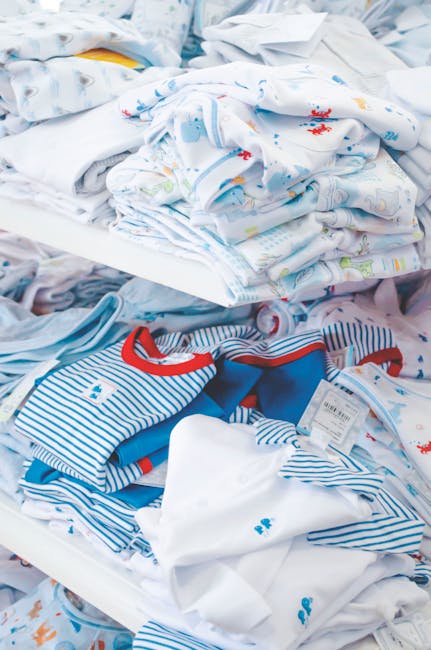
Gender-Neutral Baby Clothes – For Parents Ready to Break Stereotypical Labels

“Pink for girls and blue for boys” is the default setting of colours for babies all over the world, based on gender. That’s where the stereotyping starts, right from when the baby is born. 

But if you are one of those mammas who want to break these so-called stereotypes, then we are here with you, and so are the other brands. 

The concept of “Gender-neutral baby clothes” is brought into the picture, because the Paki parents are all about adapting to the fashion and trend going around. Gender-neutral is the new fashion. 

So, without any wait, let’s get you to the route to dress up your babies in the color you like – yellow, blue, red, and even white.  

Why Gender-Neutral Baby Clothes Make Sense to Modern Parents

The mindset revolving around this topic can be very helpful in boosting the confidence, self-love, and ultimately the independence of the young generation as they grow up, not being bound to stereotypes.

As the world is evolving, the Paki moms also tend to try evolving with it, which starts from the birth of their child and the basic necessity of clothes: no longer being stereotyped by colours and designs, but being 100% gender-neutral and comfortable.

They see this as a getaway from being tensed over where to find the best pink or blue outfit, and instead find it easier to not rely on specific gender biased colours, but a variety of neutral colours.

Color Palettes (Neutral)

Some gender-neutral colors for your ease and understanding are;

WHITEGREYBLACKGREENYELLOWMAROONBROWN

Benefits Of Picking Out Sober Clothes For Your Babies 

Here’s an adequate list of the benefits that gender-neutral clothes offer:

  1. Inclusive Designs And Colours 

Today, more parents are choosing soft colors, cute patterns, and cozy basics that celebrate the childhood of their offspring without enforcing stereotypes. 

These designs aren’t just stylish and practical; they’re also a reflection of a growing awareness around individuality and expression. By dressing babies in clothes that are gender neutral, we give them the freedom to grow into whoever they are. 

  1. Reuse, Reduce, Recycle

Since these gender-neutral clothes aren’t tied to specific colors or themes typically associated with boys or girls, they can be handed down among siblings, cousins, or friends, irrespective of gender. This reduces the need to constantly buy new items and saves money and resources. 

Many brands that focus on unisex designs also prioritize eco-friendly materials like organic cotton. It’s a small shift in mindset, but choosing gender-neutral clothing is a practical step towards building a more sustainable wardrobe – and future – for our children.

  1. Comfort & Functionality

When it comes down to dressing our babies, comfort and functionality should always come first. These types of clothes revolve around simple, unrestrictive designs comprising soft fabrics and room for movement, making them ideal for growing, curious little bodies. 

Without unnecessary stitches or gendered tailoring, gender-neutral outfits are typically more practical for everyday, easy wear for babies. They’re designed with real-life parenting in mind. In focusing on comfort over grandeur, gender-neutral baby clothes make life easier for both babies and their mothers, while still looking innocently cute.

  1. Soft To The Eyes, Highlights The Baby

Neutral color palettes offer a calmer, more sober, and softer alternative to the loud shades that have dominated baby fashion forever. Shades like ivory, taupe, sage green, mustard, and greys not only look soft and minimal but also photograph beautifully, a bonus for memory-keeping portraits. 

These colors are wholly versatile, easy to match with, and evergreen. They also provide a soothing visual environment, both for the baby and the parent, which can be especially relaxing during those early, chaotic months. Choosing neutral colors allows the focus to remain on the baby, rather than fulfilling stereotypical necessities, and makes each item easy to restyle and re-wear. 

These, and plenty more, are many of the advantages of choosing gender-neutral clothes for your babies. 

Adorable and Practical Gender-Neutral Baby Clothes

In today’s fashion world, many brands are quitting running after stereotypical assigning of colours to babywear, and are instead embracing the new trend of neutralising babywear. Some examples of these clothes are listed down for you to have a look at and get an idea of how to dress your adorable baby.

Dinosaur Print Short-sleeve Grey Baby Romper

Rompers are one of the most highlighted gender-neutral types of clothing; they can further be classified into colors (again, neutral). This is one of the examples of baby clothing that’s unisex and very comfortable to wear.

Hoodie Set – Cozy Two-Piece Winter Sportswear

Sportswear is another example of unisex clothes for babies, and they are very easy to wear, the coziest clothes for your baby. 

Bonus Ideas 

(Based on different seasons)

Spring Outfit Ideas

  • Light cotton romper in sage green or soft yellow
  • Soft leggings in a nature-themed print (e.g., clouds, trees, or animals)
  • Bucket hat or soft beanie for unpredictable spring weather
  • Booties or soft canvas shoes

Summer Outfit Ideas

  • Muslin or linen romper in mustard, rust, teal, or ivory
  • Short-sleeved bodysuit with unisex prints (rainbows, stars, fruit)
  • Soft cotton shorts with an elastic waist
  • Sun hat with a wide brim
  • Barefoot or soft-soled sandals

Fall Outfit Ideas

  • Long-sleeve ribbed onesie in burnt orange or olive
  • Corduroy overalls in neutral tan or brown
  • Striped or solid knit leggings
  • Wool beanie or cotton bonnet
  • Soft booties

Winter Outfit Ideas

  • Thermal bodysuit in charcoal or navy
  • Quilted overalls or fleece-lined pants
  • Sweatshirt or sweater in geometric or minimalist prints
  • Puffer vest or full snowsuit in beige, cream, or soft blue
  • Wool socks + mittens

The Future Of Baby Fashion Is Neutral

Mothers know best for their babies, and neutral is the best. A modern Paki mother is the one who jumps on the trend bandwagon, and we wish all mothers a huge best of luck in nurturing their babies in the best neutral way possible. So be modern, be neutral, and be adapting to the new world fashion, and be a trendy mother with a gender-neutral mentality, because the future of baby fashion is neutral!

FAQs

1. What exactly are gender-neutral baby clothes?

Gender-neutral baby clothes are outfits designed without tying them to traditional gender colors or patterns. They focus on comfort, practicality, and style, allowing babies to wear any color or design freely. 

2. How can gender-neutral clothes benefit my child?

Dressing babies in gender-neutral clothes encourages individuality, independence, and confidence. It removes societal pressure linked to color-coded clothing, allowing children to explore their preferences.

3. Are gender-neutral baby clothes suitable for all occasions?

Yes, gender-neutral clothes work for daily wear, outings, family gatherings, and even photo sessions. With simple designs, neutral colors, and versatile patterns, these outfits can be easily accessorized or layered, making them appropriate for any setting while remaining stylish and functional.

4. Can gender-neutral clothing save money for parents?

Absolutely. Since these clothes are not tied to specific genders, parents can reuse or hand down outfits among siblings, cousins, or friends. 

5. Which colors are considered gender-neutral for babies?

Popular gender-neutral colors include white, grey, black, yellow, green, brown, and maroon. Soft shades like ivory, taupe, sage, and mustard are also great choices. 

Best Outerwear and Layering Styles for Growing Toddlers

Keeping your growing toddler warm, cozy, and comfortable in the winter is quite important. To tackle chilly and cold days, smart layering is needed to keep the toddler warm, both indoors and outdoors.

Layering clothes styles for toddlers focuses on breathable layers, soft and insulating mid-layers, as well as protective jackets, to keep toddlers warm, without restricting movement.

Toddlers aged between one to three grow quickly, hence investing in versatile, plus adaptable wear is essential in minimizing the need for regular clothes shopping.

MomYom provides a wide range of layering clothes styles for growing toddlers’ winter wear, with stylish and practical designs.

This guide will walk you through the best outerwear and layering styles for toddler girls and boys.

Let’s take a look at some cute options to choose from.

Top outerwear and layering styles for growing toddlers 

For toddlers, layering is about combining warmth, comfort, as well as mobility. Since toddlers are always on the move, their outfits need to provide insulation without feeling heavy or restrictive.

The best outerwear and layering options consist of breathable base layers, warm fleece, protective jackets, and so on, that protect against cold winds. The outfit should allow a lot of freedom for active play.

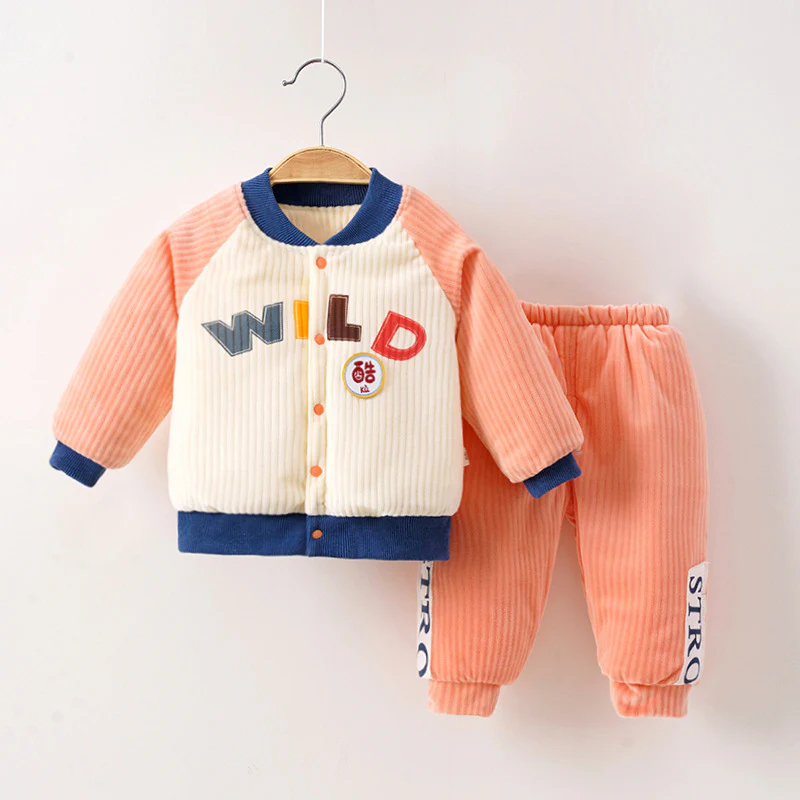
  1. Velvet Cotton-Padded Winter Jacket

The velvet cotton-padded winter jacket ensures warmth, durability, and coziness, making it a stylish and practical option for toddlers. The thick padding traps body heat, while the velvet material is soft on sensitive skin. 

The jacket is a great choice for outdoor play, combined with thermal wear of fleece layering.

Why Choose This 

  • Heat is locked in due to thick padding
  • Velvet finish adds softness
  • Suitable for layering over thermals or fleece
  • Wind-proof for added protection
  1. Unisex Baby Flannel Winter Romper

The flannel winter romper, with its charm and warmth, is great for indoor and outdoor layering. Its one-piece design makes sure the toddler’s whole body remains warm, while the flannel fabric material locks heat in gently, without irritating. 

The romper includes cute animated prints, adding playfulness. This makes it a stylish and functional daily winter wear.

Why Choose This 

  • Soft flannel fabric traps body warmth
  • One-piece design reduces cold spots
  • Adorable cartoon prints for extra charm
  • Great under a jacket for added warmth
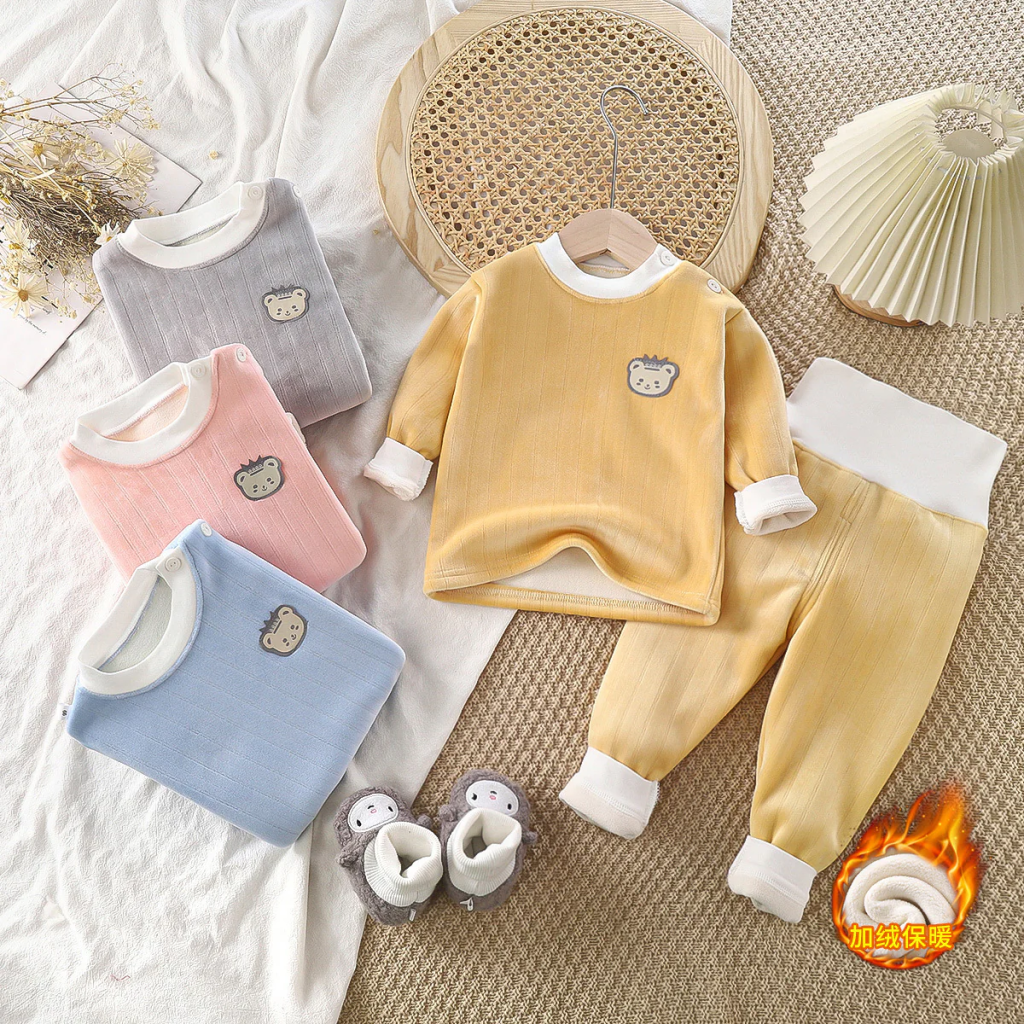
  1. Baby Thermal Underwear Set

This thermal underwear set is important for winter and is made using breathable and skin-friendly cotton. The wear is designed to be a lightweight, highly insulating base layer. It maintains body temperature and prevents moisture to keep toddlers dry plus comfortable.

It is perfect for indoor and outdoor play, and pairs smoothly with rompers, hoodies, or jackets for a variety of layering styles.

Why Choose This

  • Brilliant for wearing under rompers or jackets
  • Breathable plus skin-friendly cotton
  • Prevents moisture to avoid chills
    Lightweight yet insulating
  1. Baby Boys and Girls Hoodie Two-Piece Winter Sportswear

This two-piece winter, stylish and functional, sportswear consists of a cozy cotton hoodie and pants. It delivers comfort to toddlers for active play while keeping them warm, both indoors and outdoors.

The hoodie serves as an added layer for head protection, while the style makes layering with rompers easy and practical.

Why Choose This 

  • Cozy cotton blend for daily wear
  • Head coverage provided by a hoodie 
  • Comfortable wear for active toddlers
  • Simple to layer with a jacket
  1. Baby Striped Thermal Cotton Set

The striped thermal cotton set is ideal as a base layer, providing warmth without heaviness. The breathable materials allow airflow while retaining insulation. This guarantees comfort throughout the day.

Its ability to wick moisture away keeps skin dry.  The cotton set’s striped pattern also adds to the fun.

Why Choose This

  • Breathable and soft cotton fabric
  • Moisture-wicking style keeps skin dry
  • The striped pattern adds playful detail
  • Lightweight yet insulating
  1. Unisex Cotton Fleece Hooded Onesie

A must-have for colder months, the hooded cotton fleece onesie provides warmth and softness without restricting movement. The onesie’s full body coverage protects toddlers from chilly winds. The breathable fabric makes sure of comfort during play. 

The onesie is designed as a versatile mid-layer, allowing it to be paired perfectly for peak protection against high winter temperatures.

Why Choose This 

  • Hooded design provides toddlers with added warmth
  • Full-body coverage reduces chilly drafts
  • Works under jackets to protect against  extreme cold
  • Made from breathable cotton fleece material
  1. Unisex Baby Cartoon Hooded Winter Coat

The winter coat includes an adorable cartoon design and a cozy hood, making it fun and playful for toddlers. It also helps protect from cold weather.

Its knit stitch combines bamboo fiber plus spandex to guarantee stretch, comfort, and breathability, while the full sleeves can be closed to help in preventing chilly winds.

Why Choose This 

  • Suitable for boys and girls aged 1-3
  • Warm bamboo fiber blend retains warmth without overheating
  • Hood adds more protection for the head and ears
  • Adorable pattern makes it fun for toddlers to wear outdoors

How to Dress a Toddler in Winter

Dressing a toddler for the cold weather requires a smart layering strategy that balances warmth, comfort, as well as flexibility. Toddlers need clothes that keep them cozy outdoors and indoors, without overheating or restricting play.

By combining the right base, mid, and outer layers with simple accessories, you can make sure your growing toddler stays comfortable, all winter season.

  1. Begin with a thermal set or cotton onesie as the base layer.
  2. Add a fleece hoodie or flannel romper to provide insulation.
  3. End with a padded jacket or coat to shield from wind and rain
  4. Cover the head, hands, and feet with hats, mittens, and warm socks.
  5. Avoid bulky or heavy outfits that restrict movement.
  6. Choose breathable fabrics to prevent overheating.
  7. Size outerwear a bit bigger for easy layering.
  8. Maintain layer flexibility to adjust indoors or outdoors.

Conclusion

Dressing a toddler for the winter requires thoughtful layering that balances warmth, comfort, plus mobility. With the correct balance of base layers, cozy fleece or flannel, and protective outerwear, your little one can stay comfortable while still enjoying playtime indoors and outdoors. 

MomYom’s collection provides excellent layering solutions, including thermal sets, padded jackets, rompers, and hooded onesies tailored for growing toddlers. 

By mixing and matching these differing pieces, a parent can ensure their toddler adapts to different winter conditions. 

This strategy makes sure toddlers remain safe, warm, and stylish throughout the entirety of winter, without disturbance in movement.

FAQs

How many layers should my toddler wear?

Toddlers are most comfortable in three layers: a base layer, a mid-layer, and an outer layer, such as a coat or jacket. Adjusting layers depending on whether toddlers are indoors or outdoors aids in maintaining comfort. 

How to keep a 3-year-old warm at night?

For bedtime, dress your three-year-old child in thermal pajamas or a cozy sleep sack that offers full coverage. Adding a soft blanket provides added warmth without making them too hot. Maintaining the bedroom at a steady and comfortable temperature ensures plentiful sleep, all night.

What are common layering mistakes?

A lot of parents mistakenly overdress toddlers in heavy clothing, which restricts movement and causes overheating. Another common mistake is leaving gaps around the wrists, ankles, or neck area. These mini openings let in cold air and reduce the layer’s effectiveness.

How many layers for a 1-year-old?

One-year-old toddlers should also follow the three-layer rule, but the fabric material must be soft, light, and breathable. Since one-year-olds are more sensitive to heat, thinner layers are safer and more cozy. This makes it simple to add or remove clothing as required.

Cotton vs. Bamboo Fabric: Which Is the Best Choice for Your Child?

Choosing the right fabric for your child goes far beyond just selecting cute colors or playful prints. The material you pick directly impacts your child’s comfort, skin health, and how freely they can move throughout the day. 

Every parent wants their little one to feel cozy, safe, and unrestricted, whether they’re playing, sleeping, or learning something new. Cotton and bamboo fabrics have become favorites among parents for good reasons, but each brings its own set of benefits. 

Cotton is soft, breathable, and easy to care for, while bamboo offers moisture-wicking, hypoallergenic, and temperature-regulating properties.

Why Fabric Choice Matters

Kids are constantly moving, playing, and exploring. Their clothes should allow freedom of movement, regulate temperature, and avoid skin irritation. Fabrics that are soft, breathable, and durable can make a big difference. Choosing the right fabric also reduces laundry stress, keeps clothes lasting longer, and ensures your child stays comfortable in every activity.

Parents often ask why fabrics like cotton and bamboo are preferred over synthetic options. The answer is simple: these natural fabrics breathe, absorb moisture, and reduce the risk of allergies or skin irritation. They also provide comfort in all seasons, whether it’s a warm summer afternoon or a chilly winter night.

Understanding Cotton Fabric

Cotton has been a trusted choice for children for generations. Its soft, breathable nature makes it ideal for daily wear, pajamas, and summer dresses. Cotton absorbs moisture effectively, keeping children comfortable in warmer weather.

Parents love cotton for its durability and versatility. It withstands frequent washing, rough play, and multiple children wearing the same clothes. Cotton comes in organic options, which avoid pesticides and harsh chemicals, perfect for children with sensitive skin.

A few points about cotton:

  • Breathable and comfortable for all-day wear
  • Durable and long-lasting
  • Works for everyday clothing like t-shirts, shorts, pajamas, and dresses

Cotton does wrinkle easily and may require ironing, but its affordability and reliability make it a popular choice for parents.

What Makes Bamboo Fabric Special

Bamboo fabric has become a favorite among parents seeking softness and eco-conscious options. Its silky texture is gentle on sensitive skin, reducing irritation and rashes. Bamboo also has natural antibacterial properties, keeping clothes fresher for longer.

It excels at moisture control. Bamboo wicks sweat away from the skin and dries quickly, making it ideal for active children or warm climates. Bamboo is breathable, temperature-regulating, and highly sustainable. Bamboo grows fast and requires minimal water and no pesticides.

Key benefits of bamboo:

  • Soft, smooth texture, ideal for delicate skin
  • Moisture-wicking and quick-drying
  • Natural antibacterial properties

Bamboo can be more expensive than cotton, and some blends contain synthetic fibers. Care requires gentle washing and avoiding high heat, but it maintains comfort and sustainability.

Comparing Cotton and Bamboo

Choosing between cotton and bamboo depends on your child’s needs and lifestyle. Here’s a clear comparison:

  • Skin Sensitivity: Bamboo is ideal for sensitive or eczema-prone skin. Cotton is soft for most children, but organic cotton is best for extra care.
  • Durability: Cotton withstands rough play and frequent washing better than bamboo.
  • Temperature Control: Bamboo regulates temperature well and wicks moisture, keeping children cool and dry.
  • Eco-Friendly: Bamboo is more sustainable, but organic cotton also supports eco-conscious choices.
  • Cost: Cotton is generally more affordable. Bamboo requires higher investment but offers added softness and sustainability.

Many parents find that a combination works best. Use cotton for everyday clothing and bamboo for sleepwear or sensitive skin layers.

Practical Tips for Using Both Fabrics

To make the most of cotton and bamboo fabrics, follow these practical suggestions:

  • Rotate fabrics based on activity: cotton for outdoor play, bamboo for sleep or indoor comfort
  • Choose blends to combine durability, softness, and easy care
  • Wash according to care labels to maintain softness and longevity
  • Observe your child’s comfort: adjust fabrics seasonally or according to their activity level

By mixing fabrics thoughtfully, you balance comfort, durability, and sustainability.

Seasonal Wardrobe Ideas

Summer: Cotton t-shirts, cotton shorts, and lightweight dresses keep children cool. Bamboo rompers and onesies wick sweat and keep skin fresh.

Winter: Cotton hoodies, leggings, and thermal layers provide warmth and durability. Bamboo sleepwear or base layers keep children cozy indoors.

Everyday Use: Both fabrics are suitable for casual wear. Blends work well for clothing that needs to withstand frequent washing.

Making the Best Choice for Your Child

When deciding between cotton and bamboo, consider these questions:

  • Does your child have sensitive skin?
  • How active are they daily?
  • What is your budget and willingness to invest in eco-friendly options?
  • Do you want clothes that are easy to wash and long-lasting?

Answering these helps you make a practical decision. Many parents successfully create a wardrobe using both fabrics. Cotton provides everyday reliability, and bamboo adds softness, moisture control, and eco-conscious benefits.

Conclusion

Choosing the right fabric ensures your child stays comfortable, happy, and free to explore. Cotton offers durability, versatility, and affordability, making it perfect for daily wear. Bamboo provides unparalleled softness, moisture control, and sustainability, ideal for sleepwear and sensitive skin.

A balanced wardrobe using cotton and bamboo—or a thoughtful blend—supports your child’s comfort, health, and your family’s values. Observing your child’s preferences and lifestyle ensures that every outfit works for their needs. Choosing wisely now makes dressing your child easier, stylish, and more comfortable.

FAQs

1. Is bamboo fabric better for babies with sensitive skin than cotton?

Yes, bamboo fabric is naturally soft, smooth, and hypoallergenic, making it excellent for sensitive or eczema-prone skin. Organic cotton is also gentle, but bamboo’s silky texture and moisture-wicking properties reduce irritation and keep babies comfortable all day.

2. Can cotton and bamboo fabrics be mixed in my child’s wardrobe?

Absolutely! Cotton works well for everyday clothing, outdoor play, and schoolwear. Bamboo excels in sleepwear, base layers, or clothes for sensitive skin. Combining both fabrics gives your child comfort, durability, and flexibility for all activities and seasons.

3. Which fabric is easier to care for at home?

Cotton is very forgiving, durable, and easy to wash frequently without losing shape or softness. Bamboo requires gentler care, washing in cool water and avoiding high heat. With proper care, both fabrics last long, but cotton is more convenient for busy parents.

4. Is bamboo more eco-friendly than cotton?

Yes, bamboo is naturally sustainable. It grows quickly, requires minimal water, and avoids pesticides. Organic cotton is also eco-conscious, but conventional cotton uses more water and chemicals. Choosing bamboo or organic cotton supports eco-friendly practices while keeping your child comfortable.

5. Which fabric keeps my child cooler in summer and warmer in winter?

Bamboo fabric regulates temperature exceptionally well. It wicks sweat and keeps children dry in summer, while providing warmth indoors during winter. Cotton is breathable, but bamboo’s moisture control and natural insulation make it ideal for fluctuating temperatures.

Cool Summer Color Palette Perfect for Kids’ Clothes

Summer is a season filled with warmth, fun, and adventure, and your kids’ clothes should reflect the joy of the season. Choosing the right colors for your little one’s summer wardrobe can make a big difference in both their comfort and style. 

Whether you’re dressing them for a family picnic, a day at the beach, or casual playtime, the right color palette can keep them feeling cool, happy, and confident. The key is to mix bright, bold colors with softer shades for a fun, balanced look. 

Let’s explore the best colors for kids’ summer clothing and how you can incorporate them into your child’s wardrobe.

1. Pastels

Pastel colors like mint green, soft pink, and lavender are perfect for creating a calm and light aesthetic for your child’s summer outfit. These colors are not only soothing but versatile, making them perfect for both casual and semi-formal occasions. Pastels pair beautifully with neutral shades and can be mixed and matched effortlessly.

Tips for Styling Pastels

  • Pair pastel tops with denim shorts or skirts for a casual, cool look.
  • Layer a pastel cardigan or light jacket over a simple outfit for those cooler summer evenings.
  • Add accessories like pastel-colored hats or shoes to complete the look.
  • Keep accessories minimal to maintain a soft, serene vibe.

2. Bright Colors

Bright hues like neon yellow, electric blue, and vibrant red are ideal for making a bold statement. These colors are full of energy and can be used to highlight your child’s lively personality. Bright tones are perfect for outdoor activities, making them ideal for days filled with running, jumping, and playing.

Tips for Styling Bright Colors

  • Use bright-colored T-shirts or dresses as the focal point of the outfit, and pair them with neutral or pastel bottoms.
  • Add a pop of bright color to your child’s shoes or socks for a fun, unexpected twist.
  • For a more balanced look, combine one bold color with other softer tones.
  • Stick to one bright color per outfit to avoid overwhelming the look.

3. Nautical Blues and Whites

Nautical colors, like deep blues and crisp whites, offer a fresh, classic look that never goes out of style. These colors are ideal for beach days, summer barbecues, or even just a relaxed family gathering. The clean lines and timeless appeal of blue and white outfits can be dressed up or down easily.

Tips for Styling Nautical Colors

  • Pair navy blue shorts with a white polo or striped T-shirt for a smart-casual summer look.
  • A white dress with blue accents or a navy sailor-style romper can be perfect for both dressy and casual occasions.
  • Add a red scarf or hat for a playful touch to a nautical-inspired outfit.
  • Layer with a denim jacket for cooler weather while maintaining the nautical vibe.

4. Tropical Colors

Tropical colors such as vibrant greens, sunny yellows, and coral oranges are perfect for adding a refreshing and fun vibe to your child’s summer wardrobe. These colors bring to mind palm trees, sunny days, and beach fun, making them ideal for vacations and outdoor adventures.

Tips for Styling Tropical Colors

  • Mix tropical prints like palm leaves or fruit patterns with solid-color bottoms to balance the look.
  • For girls, a tropical print dress with bright sandals creates a fun and effortless summer outfit.
  • Tropical colors also work great for accessories—think colorful hairbands, sunglasses, and shoes.
  • Pair a vibrant tropical top with khaki or beige shorts for a more laid-back, practical look.

5. Earthy Tones

Earthy tones such as terracotta, olive green, and sand beige provide a relaxed and comfortable vibe. These colors reflect nature’s beauty and are perfect for those who prefer a more understated, grounded look. Earthy tones work well for kids who enjoy outdoor adventures like hiking or camping.

Tips for Styling Earthy Tones

  • Mix earthy colors with casual, comfortable fabrics like cotton and linen for an easygoing summer look.
  • An olive green romper or terracotta dress can be paired with neutral accessories like brown sandals or hats.
  • Layer earthy tones with pastel or bright accessories to add interest to the outfit.
  • For boys, khaki shorts with a simple terracotta or mustard-colored T-shirt create a stylish, laid-back look.

6. Neutrals

Neutral colors such as white, grey, and beige are essential in every kid’s wardrobe. These colors are easy to mix and match, making them perfect for creating versatile outfits that can be dressed up or down depending on the occasion. Neutrals also help balance out brighter hues, making them a great base for more colorful additions.

Tips for Styling Neutrals

  • Use neutral-colored pants or shorts as the base of the outfit and pair them with a brightly colored top for a striking contrast.
  • Keep it simple with a neutral-colored dress or romper and add a pop of color with accessories like a fun hat or shoes.
  • Layer neutral-colored items like white shirts or grey cardigans over bright or pastel-colored outfits.
  • Neutral colors work especially well for family photos, creating a cohesive and timeless look.

Conclusion

The key to styling your child’s summer wardrobe is finding a balance between fun and practicality. Whether you choose soft pastels, bright pops of color, or earthy tones, each color palette brings something unique to the table. 

Remember, comfort is just as important as style. Light, breathable fabrics paired with the right shades will ensure your little one stays cool and stylish all summer long. By mixing and matching these colors, you can create endless fun, fashionable outfits for every summer occasion.

FAQs

1. What are the best colors for kids’ summer clothing?

Bright colors like yellow and red, soft pastels, nautical blues, and tropical greens are great options. These colors are not only fun but also reflect the energy of summer.

2. Can I mix bright colors with neutrals for kids’ outfits?

Yes! Bright colors like red or neon green can be paired with neutral colors like beige or white for a balanced, stylish look.

3. Are pastel colors good for summer?

Absolutely! Pastel colors are soft, soothing, and perfect for summer. They keep your little one cool and stylish while offering a calm, refreshing look.

4. How can I incorporate tropical colors into my child’s wardrobe?

You can mix tropical colors with solid neutral pieces for a playful and balanced look. Tropical prints on dresses, T-shirts, and accessories are perfect for summer adventures.

5. What fabrics are best for kids’ summer outfits?

Cotton, linen, and jersey knit are ideal fabrics for summer. They are breathable, soft, and perfect for keeping your child cool and comfortable during hot weather.

Fresh & Popular Spring Prints for Baby Girls

Spring is the season of renewal, and it’s the perfect time to refresh your baby girl’s wardrobe with fresh, fun prints that reflect the beauty of the season. From colorful florals to playful patterns, spring prints for baby girls are all about light, airy, and cheerful designs. 

Whether you’re dressing your little one for a family picnic, a holiday gathering, or simply for everyday fun, these prints will keep her comfortable and stylish. This season, embrace the joy of spring with patterns that add a touch of whimsy to her outfits. 

In this blog, we’ll explore the top spring prints for baby girls, with some fabulous outfit suggestions to help you pick the best looks for your little fashionista.

Floral Prints

Floral prints are a timeless choice for spring, bringing a touch of nature’s beauty to your baby girl’s wardrobe. These prints are perfect for capturing the essence of the season with their delicate petals and soft hues. Whether it’s a soft watercolor effect or bold, vibrant flowers, florals never go out of style in spring.

Top Picks

  1. Baby Girl Floral Print Ruffle Sleeve Dress

A soft cotton dress featuring a pastel floral print. The ruffle sleeves add a playful touch, making it perfect for any spring outing.

  1. Floral Print Baby Romper with Headband

This cute romper features an all-over floral design with a matching headband, ideal for those warmer spring days.

  1. Vintage Floral Baby Girl Dress

A vintage-inspired floral dress with a lace overlay, perfect for family events or outdoor celebrations.

Fruit Patterns

Fruit-themed prints are another popular trend for spring, bringing a fun and vibrant touch to baby girls’ outfits. From strawberries to apples and cherries, these prints are perfect for capturing the cheerful spirit of spring and adding a splash of color to your little one’s wardrobe.

Top Picks

  1. Strawberry Print Sweatshirt

A cute, soft sweatshirt featuring a strawberry print that’s playful and perfect for a spring picnic or day at the park.

  1. Fruit Pattern Shirt 

This comfortable shirt with fruit patterns offers ease of movement and is ideal for those warm spring days spent outside.

  1. Lime Print T-Shirt 

A casual, cute set featuring lime print on the T-shirt, you can pair it up with shorts for a comfortable, fun look.

Butterfly and Nature-Inspired Prints

Spring is synonymous with nature coming back to life, and butterfly prints are a whimsical and enchanting way to embrace the season. Nature-inspired prints, from butterflies to floral vines, make your little one’s outfits stand out with a playful yet elegant feel.

Top Picks

  1. Butterfly Print Baby Girl Skirt 

This soft skirt features fluttery butterfly prints and delicate details, perfect for a spring day out in the garden.

  1. Nature-Inspired Baby Gir lCoat 

A cute coat adorned with butterfly and flower prints, perfect for casual play or family get-togethers.

  1. Butterfly Pattern Baby Girl T-Shirt

A cozy shirt with subtle butterfly patterns, offering warmth on cooler spring days while still being fun and fashionable.

Pastel Shades

Pastels are a classic spring color choice, bringing a soft and serene aesthetic to your baby girl’s wardrobe. These shades of mint, lavender, peach, and light pink are perfect for creating light, airy outfits that are both stylish and comfortable for your little one.

Top Picks

  1. Pastel Floral Baby Girl Dress

A soft pastel-colored dress with delicate floral patterns, perfect for a spring family gathering or special occasion.

  1. Light Green Baby Girl Top and Pants Set

A cozy set featuring a mint green top with soft pastel accents, paired with comfortable pants for a relaxed yet stylish look.

  1. Peach Pastel Baby Jumper

A soft peach-colored jumper with tiny floral designs, perfect for those warm, sunny spring days.

Gingham Checks

Gingham checks are a spring classic, offering a blend of timeless charm and casual sophistication. These prints are perfect for creating a laid-back yet polished look that can be dressed up or down for any occasion.

Top Picks

  1. Gingham Check Baby Girl Dress

This sweet dress features a classic gingham pattern that adds charm, perfect for a family picnic.

  1. Gingham Romper

A comfortable romper featuring gingham checks. You can add a cute bow detail on the waist, ideal for casual spring outings.

  1. Gingham Check Baby Girl Tank Top

You can make a set that combines a skirt with a gingham top, offering an effortless, stylish look for spring days.

Conclusion

Spring is the time to embrace playful prints and fresh styles for your baby girl. From timeless florals to fun fruit patterns and whimsical butterflies, there are endless options to choose from for the season. 

With these adorable prints and comfortable outfits, your little one will be ready to enjoy the sunny days and warm weather in style. Whether you’re dressing her for a family gathering, an outdoor adventure, or just a day of play, these spring prints will make her look and feel wonderful. 

Make sure to refresh her wardrobe with these top spring picks, and let her enjoy the beauty of the season in the most adorable way possible!

FAQs

1. What are the best spring prints for baby girls?

Floral prints, fruit patterns, butterfly designs, pastel shades, and gingham checks are all popular choices for baby girls in spring. Each print captures the cheerful essence of the season while keeping your little one stylish and comfortable.

2. How can I style my baby girl’s spring wardrobe?

Mix and match prints like florals and gingham with soft pastel tops and comfortable pants or dresses. Layer with cozy cardigans or jackets when needed, and don’t forget cute accessories like hats or headbands for added flair.

3. Are fruit prints suitable for baby girls?

Absolutely! Fruit prints, like strawberries and apples, are playful and fun, making them perfect for casual spring days. These prints add a burst of color and make for adorable outfits for playtime or family outings.

4. What is the best fabric for spring outfits for baby girls?

Soft cotton, breathable linens, and light knits are great fabric choices for spring. These materials keep your baby girl cool and comfortable, perfect for the warmer days of the season.

5. Can I use pastel shades for both casual and dressy spring outfits?

Yes! Pastel shades are versatile and can work for both casual and dressy occasions. A pastel floral dress can be dressed up for a special event, or a mint-green top can be paired with comfy pants for a more casual day out.

How to Choose the Right Activewear for Your Little Football Star

Is your little one ready to take the football field by storm? Whether they’re just starting out or already scoring goals, choosing the right activewear can make all the difference in their performance, comfort, and confidence. 

Football is a high-energy sport that requires flexibility, breathability, and durability in the clothes your child wears. From shirts and shorts to shoes and accessories, each piece of activewear plays a role in ensuring they’re ready for every pass, kick, and sprint. 

In this guide, we’ll walk you through how to select the best activewear for your little football star, so they can focus on what matters most: enjoying the game and playing their best!

1. Look for Comfortable Fabrics

Football is an intense sport, so your little athlete needs clothing that allows them to move freely and stay cool. The right fabric can make a huge difference in comfort, especially during those long, sweaty practices or games.

  • Polyester: Moisture-wicking and breathable, polyester is a great fabric for football shirts and shorts. It helps keep sweat off the body, keeping your child cool and dry.
  • Spandex: Often found in leggings and compression shorts, spandex offers great flexibility and stretch for maximum mobility.
  • Cotton Blends: While cotton is soft and comfortable, blends with synthetic fibers help manage sweat better.

 Breathable fabrics ensure that your little one remains comfortable during both practice and games, preventing overheating and skin irritation.

2. Fit and Flexibility

Football requires a lot of movement, from quick sprints to sudden pivots. Activewear for football should fit well, but also allow for flexibility.

Shirts and Jerseys

  • Look for shirts with a relaxed or athletic fit. Tight clothing may restrict movement, while loose-fitting items may catch on equipment.
  • Consider shirts with a bit of spandex or elastane, as these materials provide stretch and enhance comfort without restricting motion.

Shorts and Pants

  • Choose shorts or pants that sit comfortably around the waist and offer freedom in the legs. They should allow your child to run and kick with ease.
  • Compression shorts under regular shorts can provide extra support, helping with muscle recovery and comfort during long sessions.

A good fit ensures that your child has the freedom to run, kick, and tackle without any restriction, allowing for peak performance on the field.

3. Durability for Active Play

Football can be a tough sport, and kids tend to get rough on their gear. It’s important to choose activewear that can withstand the demands of the game, from sliding tackles to grass stains.

Durable Fabrics

  • Nylon and Polyester Blends: These materials are known for their strength and resistance to wear and tear. They hold up well against friction and rough play.
  • Reinforced Knees: Some football shorts and pants come with reinforced areas around the knees to help prevent rips or tears from sliding or falling.

Stitching

  • Strong stitching in key areas like the seams and crotch of the pants will ensure the clothing lasts through rough play and multiple washes.

Durable gear ensures that your child won’t have to constantly replace their football kit due to wear and tear, saving you time and money.

4. Football Shoes for Support and Comfort

Football boots are an essential part of your little footballer’s gear. The right pair of shoes can greatly improve their performance and keep them injury-free.

  • Firm Ground Cleats: These are the best for dry, natural grass fields. They provide excellent traction for fast sprints and sharp turns.
  • Soft Ground Cleats: If your child plays in wet or muddy conditions, soft ground cleats are designed to give better grip on slick surfaces.
  • Support and Comfort: Choose boots with adequate arch support and cushioning to prevent foot fatigue and discomfort during long hours of play.

Football shoes that fit well and provide good support will not only help your child perform better but also reduce the risk of foot and ankle injuries.

5. Socks and Shin Guards for Protection

Socks and shin guards are crucial for safety and comfort during football. The right socks and protection can make a big difference in preventing injury and ensuring your child stays comfortable throughout the game.

Football Socks

  • Look for long socks that cover the shin guards, keeping them in place and offering additional protection.
  • Choose socks made from breathable, moisture-wicking fabrics like polyester or nylon. These materials help keep your child’s feet dry, reducing the risk of blisters.

Shin Guards

  • Invest in shin guards that are lightweight, durable, and properly sized. They should offer ample protection without being too bulky or restricting movement.
  • Look for guards with a cushioned lining for comfort and a secure fit.

Shin guards prevent injury from tackles and kicks, while football socks ensure your child’s feet stay dry and blister-free.

6. Weather-Appropriate Gear

Depending on the season, your child may need additional gear to stay comfortable in various weather conditions.

Cold Weather

  • If your child plays football in the winter months, layering is key. Look for thermal base layers made from moisture-wicking materials to keep them warm without overheating.
  • A lightweight jacket or vest can also keep your child warm while allowing them to move freely.

Hot Weather

  • Choose lightweight, breathable shirts and shorts that wick away sweat to keep your child cool. Avoid overly tight clothing in hot weather to allow for better airflow.

Weather-appropriate gear ensures your child is comfortable no matter the season, allowing them to focus on the game without distractions from the weather.

7. Personalization and Style

While comfort, fit, and durability are the top priorities, kids also like to feel good in what they’re wearing. Personalizing their football gear can make them feel special and confident on the field.

Custom Jerseys

  • Many brands offer the option to customize jerseys with your child’s name and number, making them feel like a true team member.

Fun Designs

  • Allow your child to pick out activewear with their favorite colors or patterns, so they feel more excited about wearing their gear.

Personalized and stylish gear boosts your child’s confidence, making them feel like a star player every time they hit the field.

Conclusion

Choosing the right activewear for your little football star is all about balance, comfort, durability, performance, and style. From breathable fabrics and flexible fits to the perfect pair of cleats and protective gear, every element plays a role in ensuring your child is ready to play their best. 

By investing in high-quality, well-fitting gear, you’re helping your little athlete stay comfortable, safe, and confident on the field. Let them focus on scoring those goals and having fun, while you ensure they have the best activewear for the game!

FAQs

1. What fabrics should I look for in kids’ football gear?

Look for breathable fabrics like polyester, spandex, and nylon. These fabrics help manage moisture, keep your child cool, and allow for full movement on the field.

2. What type of football shoes are best for kids?

Choose firm ground cleats for dry conditions and soft ground cleats for wet or muddy fields. Make sure they provide good arch support and cushioning for comfort.

3. How do I know if shin guards fit correctly?

Shin guards should cover the shin comfortably without sliding down. They should fit snugly but not restrict blood flow. Make sure they’re lightweight yet protective.

4. Can I personalize my child’s football jersey?

Yes! Many brands offer customizable jerseys where you can add your child’s name and number, making them feel like part of the team.

5. Should I buy football gear for different seasons?

Yes! In colder weather, consider thermal layers and jackets for warmth. In hot weather, opt for lightweight, moisture-wicking gear to keep your child cool and comfortable.

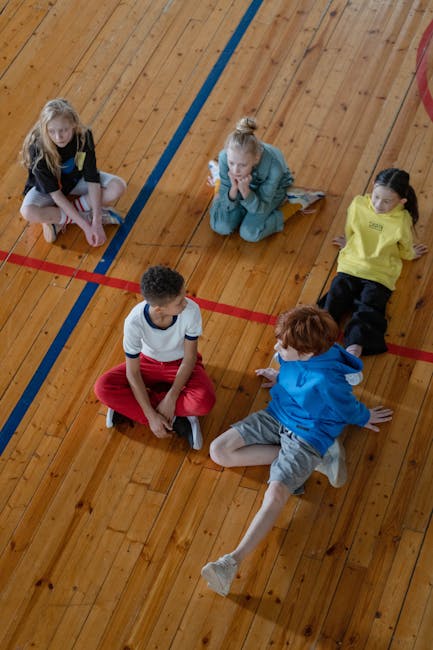
Playtime Outfit Ideas for Active and Fun-Loving Kids

Playtime for the kids is literally their whole life. That’s because kids love to explore and play all the time. Only moms know the energy our kids spend on playing around. They can make their playtime more fun than it already is by introducing attractive playtime outfits for our kids. 

The right playtime outfit is as colorful as your kids’ brains while they play, and equally comfortable for them to wear while playing. Looking adorable is the key. The outfit should be breathable and stylish. 

We have prepared this guide for you to explore playtime outfits for your playful kids. There are options available for all kinds of outings and gatherings. We would love for you to be stress-free and trust us in bringing out the best playtime outfit out there for your kid. 

Advantages of Having Playful Outfits

The clothes your kids wear while they are playing should be as energetic as they are. This is not only for aesthetic purposes, but for:

  • Your kid’s comfort level. You ensure it by buying soft and breathable fabric that lets them play comfortably for hours. 
  • The durability is provided for jumping and running purposes. This makes sure that the clothes can sustain wear and tear and are long-lasting. 
  • Styling purposes to make even a casual playtime a trendy one. 
  • Washing and easy care for moms. The clothes should be easily washable in a machine and quick to dry. 

Best Fabrics for Playtime Outfits

Active kids play like it’s their second nature. They need clothes that are comfortable to play in and can withstand any condition the kid plays in. Here is a list of the top fabrics that can be considered by mothers for their kids’ playtime outfits: 

  1. Cotton is the top favorite choice of mothers all around the world because of its softness and breathability on the skin. 
  2. Jersey Knit is also a very good option for kids’ playtime outfits as it’s stretchy and flexible, which can be helpful in active movements.
  3. Denim is a durable and stylish fabric choice that is very suitable for outdoor play. But make sure to pick the lightweight ones for kids. 
  4. Fleece is what mothers prefer in cold weather for their kids’ playtime. 

Here is a table to sum up the above-mentioned fabrics with their benefits and occasions to wear them in. 

Fabric TypeKey BenefitBest For
CottonBreathable & softEvery day, indoor and outdoor play
Jersey KnitStretch & flexibilityRunning, jumping, and climbing
Lightweight DenimDurability & styleOutdoor playtime
FleeceWarmth & cozinessWinter playtime
Performance WearSweat-wicking & quick drySports, summer activities

Playtime Outfit Ideas for Kids of Different Age Groups

As we are aware of how different kids in different age groups prefer one fabric over another, we have tried to classify the outfit options into different age groups. This is for the ease of mothers to quickly get an idea of the outfit based on their kid’s age. Here are the options: 

  1. Toddlers 

Kids aged from 1 to 3 years are all included in this category. Comfort and easy changes matter the most in this age. So, the following outfits are what mothers should consider for their toddlers: 

  • Rompers and jumpsuits are an easy one-piece option for kids. 
  • Tees with stretchable leggings are a perfect option for games involving running and crawling. 
  • Soft Overalls can be a trendy choice and are durable for messy playing in the muddy playgrounds.
  • Sneakers that are easy to wear and remove as footwear.
  1. Preschoolers

This is also called the age of adventures and imagination, for kids aged between 4 and 6. Their playtime increases, and they become more intrigued by their surroundings, always wanting to explore and run around. Here are some outfit options: 

  • Graphic tees with fashionable prints and joggers make a very fun fit with comfort. 
  • Polo shirts paired with shorts are a cool and stylish option for hot summer days.
  • Little active girls can be dressed in cute little skirts
  • Light jackets can be worn in outdoor activities if it gets a bit chilly out there. 
  1. School Going Kids 

These kids are 7 to 10 years old, and they get more independent at this age. They develop their own preferences and taste in clothes, and what to wear becomes partially their own choice, rather than their mom’s. Take them shopping with you so that they can choose themselves: 

  • Athletic sets having sweat-sustaining tops and shorts for sports activities. 
  • Cargo pants with hoodies for winter days and nights.
  • Leggings and dresses that are cute and easy to play in.
  • Slip-on sneakers are a perfect footwear in this age because of their quick-wear feature. 

Playtime Outfit Ideas Based on Different Seasons

Spring

  1. Tees topped with a light and colorful cardigan
  2. Cotton tops and shorts 
  3. Raincoats and water boots in case it rains

Summer

  1. Sleeveless tops paired with shorts 
  2. Swimwear for swimming days 
  3. Sandals and sleepers 

Fall

  1. Long-sleeved shirts and sneakers
  2. Hoodies with jackets
  3. Ankle boots or joggers as footwear

Winter

  1. Thermals with fleece fabric clothing
  2. Puffer jackets and mittens 
  3. Boots with mufflers 

Outfit Ideas for Different Play Settings

Indoor Play

Playing indoors does not require fancy dressing. You can just dress your kid in comfy, soft pajama sets or stretchy leggings for playing at home. Tees can also be worn at home if your kid is interested in running around, even at home. 

Outdoor Play

Denim shorts and cotton tees are what most moms prefer to dress their child in for playing outdoors. They are easy to wash and are comfortable to wear. Kids who love to bicycle can also be dressed in sporty tracksuits. Accessorize the look with hats and caps for extra coolness. 

Sports Activities

Kids sweat a lot in sports activities. Dress them in moisture-wicking jerseys and shorts. The footwear should either be sneakers or trainers. Don’t forget to make them wear socks too, it’s necessary for sports activities. 

Creative Play 

These types of play include arts and craft games. Outfits that can be worn in such playtime are apron-style tops over regular clothes for games involving paint. Old T-shirts and shorts are preferred for such sessions. 

Ways to Accessorize Playtime Outfits

  1. Buy colored caps and hats for the summer season, to keep the sun away.
  2. Backpacks look good for carrying snacks and drinks, if your child gets hungry or thirsty during playtime.
  3. Colorful socks make the outfit stand out with their vibrancy. 
  4. Watches for kids can also be worn by older kids for time management purposes. 

Budget-Friendly Playtime Outfit Ideas

  • You can dress your kid in mix-and-match basics. Add a neutral bottom with a colorful top, and the kid is good to go for playing.
  • Hand-me-downs from older kids can be reused among the siblings. 
  • You can use a DIY shirt with your kids as a fun family project. 
  • Try shopping during sales and clearance seasons. 

Quick Outfit Ideas for Busy Moms

OccasionOutfitShoesAccessories
Indoor PlaydateLeggings, Graphic TeeSlip-on SneakersColorful Hairbands
Park AdventureJoggers, HoodieVelcro SneakersCap
Sports PracticePerformance Jersey, ShortsTrainersSweatband
Water PlaySwim Shorts/SwimsuitWater SandalsGoggles
Winter Outdoor FunFleece Set, Puffer Jacket, MittensSnow BootsBeanie

Conclusion

A good playtime outfit makes a huge difference in the enjoyment level of your kid playing. The right fabric chosen by mothers for their young ones can make them happy and active all day long. 

We have tried to cover almost everything in this blog that you need to know about what outfit needs to be worn during different playtimes and seasons. Choose wisely and based on what your child prefers. 

After all, stylish moms make a stylish, playful kid.

No more posts to show