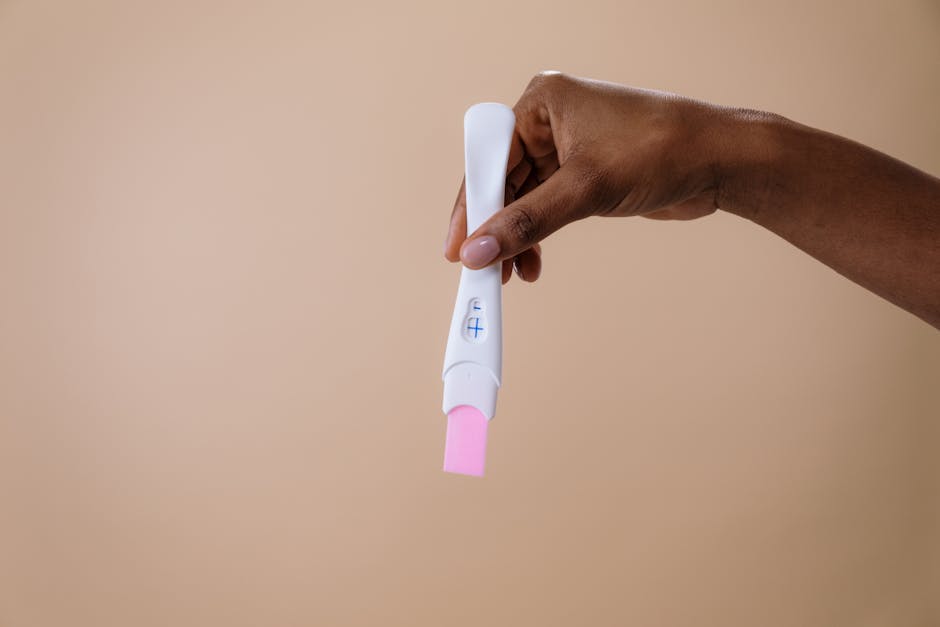
The earliest days of pregnancy can be full of questions. You might notice your body acting differently. Your period is late, food tastes odd, or you feel more tired than usual. But is it stress, hormones, or the first signs of something new?
The tricky part is that early pregnancy symptoms often overlap with pre-period changes, making it hard to know what’s really happening. Still, your body often gives you small signals before a test confirms it. Paying attention to these can help you feel prepared instead of uncertain.
In this guide, we’ll talk through 10 early signs of pregnancy you shouldn’t ignore. So, you don’t have to play the guessing game and plan your next move.
10 Early Signs of Pregnancy
- Missed Period
The most classic sign of pregnancy is a missed period. When your cycle is usually regular and suddenly your period doesn’t show, it’s worth paying attention. Pregnancy hormones, especially hCG, keep the uterine lining from shedding, which is why your period stops.
But here’s the catch: stress, sudden weight changes, thyroid issues, or conditions like PCOS can also delay cycles. That is why missing one period doesn’t confirm pregnancy on its own.
The best step is to take a home pregnancy test on or after the first day your period is late. If it’s negative but your period still doesn’t arrive, repeat the test a week later or check in with your doctor.
A missed period can be your body’s first nudge, not a final answer.
- Light Spotting or Implantation Bleeding
Some women notice a light pink or brown spotting about a week after ovulation. This can happen when the fertilized egg implants into the uterine lining. Implantation bleeding is usually lighter, shorter, and doesn’t include clots. unlike a period.
It can be confusing because it often arrives around the time your period is expected. If you see light spotting and your cycle is regular, keep an eye on it and consider testing in a few days. Heavy bleeding, however, should always be checked with your doctor.
Implantation bleeding is one of those subtle signs many women miss, but if you catch it, it can be an early clue.
- Tender or Swollen Breasts
Hormonal changes in early pregnancy can make your breasts feel different, such as sensitive, heavy, or slightly sore. The area around your nipples (areola) may also darken, and small bumps might become more visible. These changes are your body preparing for future breastfeeding.
The discomfort is similar to what some women feel before their periods, but it can be stronger and lasts longer. Wearing a supportive bra, using warm compresses, or switching to softer fabrics can help ease the tenderness.
If you notice breast changes along with a missed period, it’s a strong sign to consider testing.
- Fatigue
Feeling unusually drained, even with enough rest, is another early sign. High levels of progesterone can make you feel constantly sleepy. At the same time, your body is working harder to produce more blood and nutrients to support the pregnancy.
You might notice that everyday tasks suddenly feel exhausting. To manage this, focus on rest, hydration, and balanced meals. Short naps and light exercise, like walking, can also improve your energy.
Fatigue often improves in the second trimester, but in those early weeks, it’s your body’s way of saying, “Slow down—I’m building something important.”
- Nausea and Morning Sickness
Probably the most talked-about sign, nausea can start as early as two weeks after conception. Despite the name, morning sickness can happen anytime, morning, afternoon, or night. Some women only feel queasy, while others experience vomiting.
What is the cause? Rapidly rising hormones, especially hCG and estrogen. The intensity varies from woman to woman—some never feel sick at all, while others struggle daily.
To ease nausea, try eating smaller meals, sipping ginger tea, or keeping crackers by your bedside. If nausea is severe and you can’t keep fluids down, contact your doctor—it could be a condition called hyperemesis gravidarum, which requires care.
- Increased Urination
If you suddenly find yourself running to the bathroom more often, pregnancy could be the reason. Rising hormones increase blood flow to your kidneys, and your bladder fills faster than usual.
This usually starts around the sixth week, but can show up earlier. It’s important to stay hydrated, even if it feels inconvenient. To minimize nighttime trips, try drinking more fluids during the day and less in the evening.
Frequent urination on its own doesn’t confirm pregnancy, but paired with other signs, it’s worth noting.
- Mood Swings
One moment you feel excited, the next you’re tearing up at a commercial or snapping over something small. Mood swings are a real and common early sign.
Hormones like estrogen and progesterone surge during pregnancy and affect brain chemistry, leading to sudden shifts in emotion. Add to that the stress of wondering if you’re pregnant, and it’s no surprise your moods fluctuate.
The best approach is patience with yourself and with your partner. Simple relaxation practices like deep breathing, prayer, or journaling can help you find balance during these early weeks.
- Bloating and Cramping
If your belly feels puffy or you notice mild cramps, it could be early pregnancy. Hormones slow down digestion, which causes bloating. Meanwhile, your uterus is adjusting to its new role, which can bring on light cramps.
These cramps often feel like mild period pain but aren’t as intense or long-lasting. Severe cramps or heavy bleeding, however, should always be checked by a doctor.
It’s one of those tricky signs that can easily be mistaken for PMS, which is why pairing it with other clues makes it more reliable.
- Changes in Taste, Smell, or Food Aversions
Suddenly dislike your favorite coffee or feel like certain smells make you queasy? That’s another early sign. Hormones heighten your senses, especially smell, which often triggers food aversions or sudden cravings.
Some women crave unusual foods, while others can’t stand things they once loved. These shifts are normal and usually settle as pregnancy progresses.
If nausea combines with these aversions, focus on bland, easy-to-digest foods and keep experimenting until you find what works. It’s your body’s way of adjusting to protect the pregnancy.
- Headaches and Dizziness
Early pregnancy can also bring on headaches or light-headedness. This happens because of hormonal changes and increased blood volume, which can affect circulation.
Most of the time, these symptoms are mild. Staying hydrated, eating regularly, and resting can ease them. However, severe or persistent headaches should be reported to a doctor, just to be safe.
It’s another sign that seems ordinary but takes on new meaning when combined with other pregnancy clues.
Conclusion
Early pregnancy can feel like a guessing game, but your body often leaves clues before a test confirms the news. From a missed period to subtle changes in mood, taste, or energy, each sign tells part of the story.
None alone proves pregnancy, but together they give you reasons to pay attention. If you notice these signals, the next step is simple: take a test and consult your doctor. Trust your body as it often speaks first.
FAQs
- Can I feel pregnancy symptoms in the first week?
Yes, some women notice changes within the first week, like fatigue or bloating, but symptoms vary widely. Others may not feel anything until later. The only reliable confirmation is a pregnancy test after a missed period.
- Are early pregnancy signs the same as PMS?
They can feel very similar, such as cramps, mood swings, and breast tenderness, overlap. The main difference is a missed period. If your cycle is late and symptoms continue, taking a pregnancy test is the best way to know.
- Can I be pregnant without having symptoms?
Yes, many women experience little to no symptoms in the early weeks. Lack of symptoms doesn’t mean you aren’t pregnant. Each body responds differently, which is why testing and medical confirmation are always important.
- When should I take a pregnancy test after noticing symptoms?
It’s best to test on or after the first day of a missed period. Testing too early may give a false negative because hormone levels may not be high enough for detection yet.
- Do all women experience morning sickness?
No. While nausea is common, not every pregnant woman has morning sickness. Some only feel mild queasiness, while others don’t experience it at all. The presence or absence of nausea doesn’t determine how healthy your pregnancy is.