Category: Pregnancy

10 Early Signs of Pregnancy You Shouldn’t Ignore

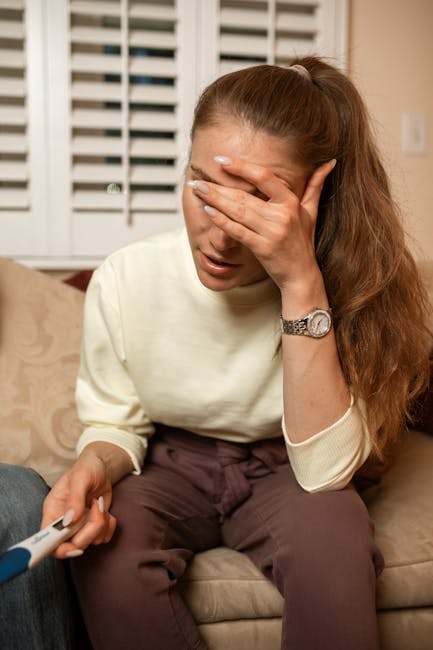
The earliest days of pregnancy can be full of questions. You might notice your body acting differently. Your period is late, food tastes odd, or you feel more tired than usual. But is it stress, hormones, or the first signs of something new? 

The tricky part is that early pregnancy symptoms often overlap with pre-period changes, making it hard to know what’s really happening. Still, your body often gives you small signals before a test confirms it. Paying attention to these can help you feel prepared instead of uncertain. 

In this guide, we’ll talk through 10 early signs of pregnancy you shouldn’t ignore. So, you don’t have to play the guessing game and plan your next move. 

10 Early Signs of Pregnancy 

  1.  Missed Period

The most classic sign of pregnancy is a missed period. When your cycle is usually regular and suddenly your period doesn’t show, it’s worth paying attention. Pregnancy hormones, especially hCG, keep the uterine lining from shedding, which is why your period stops.

But here’s the catch: stress, sudden weight changes, thyroid issues, or conditions like PCOS can also delay cycles. That is why missing one period doesn’t confirm pregnancy on its own. 

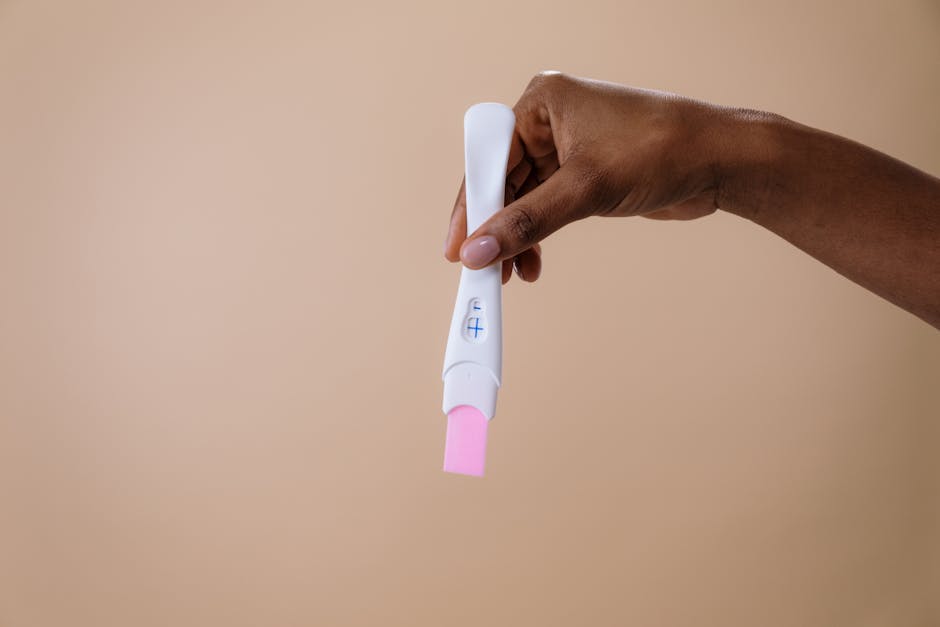
The best step is to take a home pregnancy test on or after the first day your period is late. If it’s negative but your period still doesn’t arrive, repeat the test a week later or check in with your doctor.

A missed period can be your body’s first nudge, not a final answer.

  1.  Light Spotting or Implantation Bleeding

Some women notice a light pink or brown spotting about a week after ovulation. This can happen when the fertilized egg implants into the uterine lining. Implantation bleeding is usually lighter, shorter, and doesn’t include clots. unlike a period.

It can be confusing because it often arrives around the time your period is expected. If you see light spotting and your cycle is regular, keep an eye on it and consider testing in a few days. Heavy bleeding, however, should always be checked with your doctor.

Implantation bleeding is one of those subtle signs many women miss, but if you catch it, it can be an early clue. 

  1.  Tender or Swollen Breasts

Hormonal changes in early pregnancy can make your breasts feel different, such as sensitive, heavy, or slightly sore. The area around your nipples (areola) may also darken, and small bumps might become more visible. These changes are your body preparing for future breastfeeding.

The discomfort is similar to what some women feel before their periods, but it can be stronger and lasts longer. Wearing a supportive bra, using warm compresses, or switching to softer fabrics can help ease the tenderness.

If you notice breast changes along with a missed period, it’s a strong sign to consider testing. 

  1.  Fatigue

Feeling unusually drained, even with enough rest, is another early sign. High levels of progesterone can make you feel constantly sleepy. At the same time, your body is working harder to produce more blood and nutrients to support the pregnancy.

You might notice that everyday tasks suddenly feel exhausting. To manage this, focus on rest, hydration, and balanced meals. Short naps and light exercise, like walking, can also improve your energy.

Fatigue often improves in the second trimester, but in those early weeks, it’s your body’s way of saying, “Slow down—I’m building something important.”

  1.  Nausea and Morning Sickness

Probably the most talked-about sign, nausea can start as early as two weeks after conception. Despite the name, morning sickness can happen anytime, morning, afternoon, or night. Some women only feel queasy, while others experience vomiting.

What is the cause? Rapidly rising hormones, especially hCG and estrogen. The intensity varies from woman to woman—some never feel sick at all, while others struggle daily.

To ease nausea, try eating smaller meals, sipping ginger tea, or keeping crackers by your bedside. If nausea is severe and you can’t keep fluids down, contact your doctor—it could be a condition called hyperemesis gravidarum, which requires care. 

  1.  Increased Urination

If you suddenly find yourself running to the bathroom more often, pregnancy could be the reason. Rising hormones increase blood flow to your kidneys, and your bladder fills faster than usual.

This usually starts around the sixth week, but can show up earlier. It’s important to stay hydrated, even if it feels inconvenient. To minimize nighttime trips, try drinking more fluids during the day and less in the evening.

Frequent urination on its own doesn’t confirm pregnancy, but paired with other signs, it’s worth noting. 

  1.  Mood Swings

One moment you feel excited, the next you’re tearing up at a commercial or snapping over something small. Mood swings are a real and common early sign.

Hormones like estrogen and progesterone surge during pregnancy and affect brain chemistry, leading to sudden shifts in emotion. Add to that the stress of wondering if you’re pregnant, and it’s no surprise your moods fluctuate.

The best approach is patience with yourself and with your partner. Simple relaxation practices like deep breathing, prayer, or journaling can help you find balance during these early weeks.

  1.  Bloating and Cramping

If your belly feels puffy or you notice mild cramps, it could be early pregnancy. Hormones slow down digestion, which causes bloating. Meanwhile, your uterus is adjusting to its new role, which can bring on light cramps.

These cramps often feel like mild period pain but aren’t as intense or long-lasting. Severe cramps or heavy bleeding, however, should always be checked by a doctor.

It’s one of those tricky signs that can easily be mistaken for PMS, which is why pairing it with other clues makes it more reliable. 

  1.  Changes in Taste, Smell, or Food Aversions

Suddenly dislike your favorite coffee or feel like certain smells make you queasy? That’s another early sign. Hormones heighten your senses, especially smell, which often triggers food aversions or sudden cravings.

Some women crave unusual foods, while others can’t stand things they once loved. These shifts are normal and usually settle as pregnancy progresses.

If nausea combines with these aversions, focus on bland, easy-to-digest foods and keep experimenting until you find what works. It’s your body’s way of adjusting to protect the pregnancy.

  1.  Headaches and Dizziness

Early pregnancy can also bring on headaches or light-headedness. This happens because of hormonal changes and increased blood volume, which can affect circulation.

Most of the time, these symptoms are mild. Staying hydrated, eating regularly, and resting can ease them. However, severe or persistent headaches should be reported to a doctor, just to be safe.

It’s another sign that seems ordinary but takes on new meaning when combined with other pregnancy clues.

Conclusion 

Early pregnancy can feel like a guessing game, but your body often leaves clues before a test confirms the news. From a missed period to subtle changes in mood, taste, or energy, each sign tells part of the story. 

None alone proves pregnancy, but together they give you reasons to pay attention. If you notice these signals, the next step is simple: take a test and consult your doctor. Trust your body as it often speaks first.

FAQs

  1. Can I feel pregnancy symptoms in the first week?

Yes, some women notice changes within the first week, like fatigue or bloating, but symptoms vary widely. Others may not feel anything until later. The only reliable confirmation is a pregnancy test after a missed period.

  1. Are early pregnancy signs the same as PMS?

They can feel very similar, such as cramps, mood swings, and breast tenderness, overlap. The main difference is a missed period. If your cycle is late and symptoms continue, taking a pregnancy test is the best way to know.

  1. Can I be pregnant without having symptoms?

Yes, many women experience little to no symptoms in the early weeks. Lack of symptoms doesn’t mean you aren’t pregnant. Each body responds differently, which is why testing and medical confirmation are always important.

  1. When should I take a pregnancy test after noticing symptoms?

It’s best to test on or after the first day of a missed period. Testing too early may give a false negative because hormone levels may not be high enough for detection yet.

  1. Do all women experience morning sickness?

No. While nausea is common, not every pregnant woman has morning sickness. Some only feel mild queasiness, while others don’t experience it at all. The presence or absence of nausea doesn’t determine how healthy your pregnancy is.


How to Manage Swelling and Discomfort in the Third Trimester

The third trimester can bring a mix of excitement and discomfort as you approach the final stretch of your pregnancy. Your baby is growing rapidly, and your body is working hard to support this growth. However, with all these changes, swelling and discomfort can become common issues that many women experience.

Swelling in the feet, ankles, and hands is one of the most prevalent concerns during this stage. Along with swelling, you may notice increased back pain, trouble sleeping, and other discomforts that can leave you feeling exhausted and frustrated. 

While some discomfort is completely normal, there are plenty of ways to ease the symptoms and make the third trimester more comfortable.

 In this guide, we’ll go over the causes of swelling and discomfort, as well as effective strategies to manage them.

The Causes of Swelling 

Swelling in pregnancy is often caused by a combination of factors, including increased fluid retention and the pressure exerted by your growing baby. Here’s a breakdown of why you might experience swelling in your third trimester:

  • Fluid retention: During pregnancy, your body holds onto more fluid to support your baby. This increased fluid can accumulate in your feet, ankles, and hands, making them feel tight and swollen.
  • Increased blood volume: Your blood volume increases by about 50% during pregnancy, which can put pressure on the veins, especially in the legs. This makes it harder for your body to circulate the fluid efficiently, contributing to swelling.
  • Hormonal changes: Pregnancy hormones, like progesterone, can cause your blood vessels to relax and expand, leading to fluid buildup in the tissues.
  • Pressure from the growing uterus: Your uterus puts pressure on the veins that return blood from your legs, further slowing circulation and increasing swelling in the lower extremities.

While swelling is a normal part of pregnancy, it’s important to differentiate between harmless swelling and something more serious. In most cases, swelling is temporary and reduces when you rest or elevate your feet. 

However, sudden or severe swelling can be a sign of a more serious issue, such as pre-eclampsia, which needs immediate medical attention.

Swelling in the Feet, Ankles, and Hands

One of the most common areas to experience swelling during the third trimester is your feet and ankles. Your body needs to work harder to circulate blood and fluids, and gravity can cause fluid to pool in your lower extremities. 

Swelling in the hands is also common, especially in the mornings.

Managing swelling in the feet and ankles

  • Elevate your feet: Whenever possible, elevate your feet above heart level to help your body return the fluid to circulation. This can significantly reduce swelling.
  • Wear compression stockings: These help improve circulation in your legs and reduce the buildup of fluid. They’re especially useful if you have to be on your feet for long periods.
  • Stay hydrated: Drinking plenty of water helps flush out excess sodium and reduces water retention. It may sound counterintuitive, but staying hydrated actually helps your body retain less water.
  • Avoid long periods of standing or sitting: Moving around helps prevent fluid from pooling in your legs. If you’re sitting for extended periods, try to get up every hour or so to stretch and walk around.
  • Wear comfortable shoes: Opt for shoes with good arch support to reduce foot discomfort. Avoid tight shoes, as they can make swelling worse.

Managing swelling in the hands

  • Avoid salty foods: Excess salt can cause your body to retain more water, which leads to swelling in the hands and feet.
  • Rest your hands: Try not to overuse your hands, and when possible, elevate them above your heart to reduce swelling.
  • Wear rings loosely: If you notice that your rings feel tight, it’s a sign that your fingers are swollen. Avoid wearing rings until the swelling subsides.

Back and Pelvic Pain

Back pain and pelvic discomfort are other common complaints in the third trimester, caused by your growing uterus, shifting hormones, and the added pressure on your muscles and joints. 

The extra weight of your baby puts strain on your lower back, and the relaxing hormones loosen your ligaments to prepare for childbirth. This can lead to discomfort and pain in the lower back and pelvis.

Tips for relieving back pain

Practice Good Posture

Standing and sitting with good posture helps reduce strain on your back. Keep your shoulders back, and avoid slouching. When standing, balance your weight evenly on both feet.

Use A Pregnancy Pillow

Sleeping with a pregnancy pillow can help support your back and relieve pressure while you rest.

Stretch And Strengthen

Gentle stretches, such as the cat-cow stretch, and strengthening exercises for your lower back and core can help ease pain and improve posture.

Wear A Support Belt

A maternity belt can help support your growing belly and alleviate pressure on your back.

Managing pelvic discomfort

Avoid heavy lifting

Lifting heavy objects can exacerbate pelvic pain, so try to avoid any unnecessary strain.

Pelvic tilts

Pelvic tilts help stretch the lower back and strengthen the muscles that support your pelvis. Doing these regularly can help reduce pelvic pain.

Wear a pelvic support band.

These can help distribute the weight of your belly more evenly, reducing pressure on your pelvis and lower back.

Sciatica and Leg Cramps

Sciatica is pain that radiates down your back, through your hips, and into your legs. It occurs when the sciatic nerve, which runs from your lower back down both legs, becomes compressed. 

Pregnancy can cause this nerve to become pinched, especially as the uterus grows and places more pressure on the spine.

Tips for relieving sciatica

  • Gentle stretches like the pigeon pose can help relieve pressure on the sciatic nerve.
  • Applying heat to your lower back or hips can soothe the nerve.
  • Get up and walk around regularly to prevent your sciatic nerve from becoming irritated.

Leg cramps are also common during pregnancy, particularly at night. They’re caused by changes in circulation and pressure from the uterus.

Managing leg cramps

  • Before bed, stretch your calves to help prevent cramps.
  • Dehydration can increase the likelihood of cramps, so drink plenty of water throughout the day.
  • If you wake up with a cramp, try gently massaging and stretching the muscle to relieve the pain.

Heartburn and Indigestion

Heartburn and indigestion are common discomforts in the third trimester, caused by hormonal changes and pressure from the growing uterus. 

As your baby gets bigger, it crowds your stomach, which can cause acid to back up into your esophagus, resulting in that burning sensation known as heartburn.

Tips for relieving heartburn

  • Eat smaller meals: Eating smaller, more frequent meals throughout the day can help prevent your stomach from becoming too full and pushing acid upward.
  • Avoid spicy or acidic foods: Certain foods like tomatoes, citrus, and spicy dishes can trigger heartburn.
  • Sleep with your head elevated: Raising the head of your bed or using pillows to elevate your upper body can prevent acid reflux while you sleep.
  • Drink water with meals: Sipping water throughout the day, but not in large amounts during meals, can help with digestion.

Sleepless Nights and Fatigue

The third trimester often brings sleep challenges, whether it’s trouble getting comfortable or frequent bathroom trips during the night. Fatigue is common, too, even though your baby’s growing and you’re putting in more effort to support this pregnancy.

Tips for improving sleep

  • A wedge pillow can help support your growing belly and relieve pressure on your back, making it easier to sleep on your side.
  • Caffeine can interfere with your sleep, so avoid it in the afternoon and evening.
  • Go to bed and wake up at the same time every day to help regulate your sleep cycle.
  • If you’re tired during the day, short 15–20-minute naps can help recharge your energy without disrupting your nighttime sleep.

Swelling and Water Retention

Swelling, especially in the feet, ankles, and hands, is another common issue in the third trimester. Your body holds onto more fluid when your baby grows, and the pressure from the uterus slows circulation in your lower body, contributing to swelling.

Tips for managing swelling

  • Elevate your feet: When possible, put your feet up above heart level to help reduce swelling.
  • Wear compression socks: These can help improve circulation and prevent fluid buildup in your legs and feet.
  • Stay hydrated: Drinking plenty of water helps flush out excess sodium and reduces water retention.
  • Avoid standing for long periods: If your job or daily activities require you to be on your feet, take breaks to move around and elevate your feet.

Conclusion

The third trimester can be a mix of excitement and discomfort, as your body prepares for labor and your baby’s birth. Swelling, back pain, leg cramps, and heartburn are common, but they don’t have to control your experience. With the right strategies, you can ease these discomforts and enjoy the final weeks of pregnancy more comfortably. 

Listening to your body, staying active, and using supportive measures like pillows, compression stockings, and proper hydration will help you manage the physical changes. If you notice signs that feel extreme or persistent, don’t hesitate to reach out to your doctor for guidance.

FAQs

Is swelling in the feet and ankles normal in the third trimester?

Yes, swelling in the feet and ankles is very common as your baby grows. It happens due to increased fluid retention and pressure from the uterus. However, if the swelling is sudden or severe, it’s important to contact your doctor.

How can I reduce back pain in the third trimester?

To ease back pain, practice good posture, wear supportive shoes, and use a pregnancy pillow for added support while sleeping. Stretching and gentle exercises, like yoga or swimming, can also help relieve discomfort.

What should I do if I have trouble sleeping in the third trimester?

Try using a pregnancy pillow to support your belly and hips. Keep your bedroom cool and avoid caffeine or large meals before bed. Short naps during the day can help reduce daytime fatigue without interfering with your nighttime sleep.

How can I prevent heartburn during the third trimester?

Eat smaller, more frequent meals and avoid spicy, acidic foods that can trigger heartburn. Drink water between meals (but not too much at once) and try sleeping with your head elevated to prevent acid reflux.

Is it safe to exercise in the third trimester?

Yes, light to moderate exercise is safe and beneficial during the third trimester. Walking, swimming, and prenatal yoga are excellent options. Always listen to your body, avoid overexertion, and consult your doctor before starting any new exercise.

How to Manage Pregnancy Discomforts at Home

Pregnancy is an exciting and transformative journey, but it’s not without its challenges. From the moment of conception, your body goes through incredible changes, many of which can bring discomfort. 

From nausea in the first trimester to swelling in the third, these discomforts are common but often manageable with simple home remedies. You don’t always need to rush to your doctor for relief. With the right knowledge, you can handle many of these symptoms at home. 

In this blog, we’ll guide you through managing common pregnancy discomforts from morning sickness and fatigue in the first trimester to swelling and back pain in the third, and share remedies you can try right at home.

First Trimester Discomforts

  1. Nausea and Morning Sickness

Morning sickness, often one of the first signs of pregnancy, can be incredibly uncomfortable. Hormonal changes, particularly the increase in hCG (human chorionic gonadotropin), contribute to nausea and vomiting in many women. While it’s called “morning sickness,” it can occur at any time during the day.

Home Remedies for Morning Sickness

  • Ginger: Known for its anti-nausea properties, ginger tea or ginger candy can provide relief.
  • Small, Frequent Meals: Eating light snacks every few hours can help keep nausea at bay.
  • Lemon: Lemon water or sucking on a lemon wedge can calm your stomach.
  • Peppermint: Peppermint tea or candy can settle an upset stomach.

If you can’t keep food or liquids down, it could be a sign of hyperemesis gravidarum, a more severe form of morning sickness that requires medical attention.

  1. Fatigue

Fatigue is common in the first trimester as your body works hard to support a growing baby. Increased levels of progesterone can also make you feel more tired than usual.

Home Remedies for Fatigue

  • Napping: Taking short naps throughout the day can help you recharge.
  • Stay Hydrated: Dehydration can worsen fatigue, so drink plenty of water.
  • Balanced Diet: Eating small, balanced meals helps maintain energy levels.
  • Gentle Exercise: A short walk or light yoga can help boost your energy.
  1. Breast Tenderness

Your breasts are one of the first places to change when pregnant, as your body prepares for breastfeeding. This can lead to tenderness, swelling, and a feeling of heaviness.

Home Remedies for Breast Tenderness

  • Supportive Bra: Wear a well-fitting, supportive bra to reduce discomfort.
  • Warm Compress: A warm towel on your breasts can help alleviate soreness.
  • Avoid Tight Clothing: Tight clothing can increase discomfort, so wear loose-fitting shirts.

Second Trimester Discomforts

  1. Back and Pelvic Pain

As your baby grows, your body’s center of gravity shifts, which can put pressure on your lower back and pelvis.

Home Remedies for Back and Pelvic Pain

  • Good Posture: Maintaining good posture while sitting and standing reduces strain on your back.
  • Pregnancy Pillow: Use a pillow while sleeping to support your belly and alleviate pressure.
  • Gentle Stretching: Perform stretching exercises to ease tension in your back.
  • Prenatal Massage: A certified prenatal massage therapist can help relieve lower back pain.
  1. Swelling

As your baby grows, fluid retention increases, leading to swelling, especially in the feet, ankles, and hands. This is often due to hormonal changes and increased blood volume.

Home Remedies for Swelling:

  • Elevate Your Feet: Whenever possible, prop your feet up above your heart to reduce swelling.
  • Compression Socks: These can help improve circulation and reduce fluid retention.
  • Stay Active: Walking and moving around help improve circulation.
  • Stay Hydrated: Drinking plenty of water can help reduce swelling.
  1. Heartburn and Indigestion

Hormonal changes and the growing uterus can cause heartburn and indigestion, especially as your stomach gets compressed and acid backs up into the esophagus.

Home Remedies for Heartburn and Indigestion:

  • Eat Smaller Meals: Eating smaller, more frequent meals can prevent the stomach from becoming too full.
  • Avoid Trigger Foods: Stay away from spicy, fatty, or acidic foods that may trigger heartburn.
  • Ginger Tea: Ginger is known to help calm the stomach and reduce acidity.
  • Sleep with Head Elevated: Raising your head while sleeping can prevent acid reflux.

Third Trimester Discomforts

  1. Leg Cramps and Sciatica

As your baby grows, you may experience leg cramps and sciatica. Sciatica occurs when the growing uterus places pressure on the sciatic nerve, causing pain that radiates down the legs.

Home Remedies for Sciatica and Leg Cramps:

  • Stretching: Gentle stretching before bed, particularly for your calves and hips, can reduce leg cramps.
  • Massage: A gentle massage can alleviate tension in your lower back and legs.
  • Warm Compress: Apply a warm compress to the painful area to relax muscles.
  • Stay Active: Light walking and regular movement help improve circulation and prevent cramps.
  1. Swelling and Water Retention

Swelling can intensify during the third trimester, especially in the legs, feet, and hands. This is mainly due to fluid retention, the weight of the baby, and the pressure on the veins.

Home Remedies for Swelling:

  • Foot Elevation: Elevate your feet regularly to help fluid drain from your lower extremities.
  • Compression Stockings: These stockings can provide extra support for your legs and help with circulation.
  • Hydration: Drinking water helps your body flush out excess sodium and reduces swelling.
  • Gentle Movement: Walk regularly to boost circulation and prevent fluid from pooling.
  1. Trouble Sleeping

As your body changes, it can become harder to find a comfortable sleeping position. Frequent bathroom trips and physical discomfort can also interrupt your rest.

Home Remedies for Better Sleep:

  • Use a Pregnancy Pillow: A pregnancy pillow can provide extra support and comfort while sleeping.
  • Stay on Your Left Side: This improves circulation and reduces pressure on your uterus.
  • Avoid Caffeine: Limit caffeine intake, especially in the afternoon, to improve your sleep.
  • Relaxation Techniques: Try deep breathing or meditation to calm your mind before bed.
  1. Increased Bathroom Trips

As your uterus expands, it puts pressure on your bladder, leading to frequent trips to the bathroom. This can be particularly disruptive at night.

Home Remedies for Frequent Urination:

  • Avoid Drinking Large Amounts Before Bed: Try to reduce fluid intake in the evening to avoid nighttime trips to the bathroom.
  • Kegel Exercises: Strengthening your pelvic floor muscles can help control bladder pressure.
  • Use a Pillow for Support: Sleeping with a pillow between your legs can take pressure off your bladder.

Conclusion

Pregnancy is a time of incredible change, and with those changes often come various discomforts. While some discomforts, like nausea and fatigue, are more common in the early stages, others, like back pain and swelling, are more prevalent as you enter the third trimester. Fortunately, many of these symptoms can be managed at home with simple, natural remedies.

It’s important to listen to your body, rest when needed, and practice self-care. While home remedies can provide relief, always consult your doctor if symptoms become severe or if you have any concerns. By taking proactive steps and embracing self-care, you can navigate the discomforts of pregnancy with more ease and comfort.

FAQs

Is swelling in the feet and ankles normal during pregnancy?

Yes, mild swelling is common, especially in the third trimester. However, if swelling is sudden, severe, or accompanied by other symptoms like high blood pressure, it could indicate a more serious condition, so consult your doctor.

What should I do if I can’t sleep in the third trimester?

Try using a pregnancy pillow to support your body, especially your hips and belly. Keep your bedroom cool and relaxing, avoid caffeine, and practice deep breathing or meditation before bed to improve sleep quality.

How can I relieve back pain during pregnancy?

Supportive shoes, good posture, and using a pregnancy pillow can help relieve back pain. Gentle stretches, massage, and prenatal yoga also provide relief. Avoid standing or sitting for too long without moving.

Can I still exercise during pregnancy?

Yes, light to moderate exercise, like walking, swimming, or prenatal yoga, is safe and beneficial. Always check with your doctor before starting any new exercise routine, especially if you have any complications.

What are the best remedies for heartburn during pregnancy?

Eat smaller meals, avoid spicy and acidic foods, and drink ginger tea. Sleeping with your head elevated can also help prevent acid reflux. If heartburn becomes severe, talk to your doctor about safe treatments.

Safe Exercises for the Second Trimester of Pregnancy

By the time you reach the second trimester (weeks 13–27), many early pregnancy discomforts like nausea and fatigue start to ease. This is why doctors often call it the “golden period” of pregnancy.

 You have more energy, your body is adjusting, and exercise becomes not only possible but also highly beneficial. Still, it’s natural to wonder: Which exercises are safe? How much is too much? 

The good news is that with the right approach, physical activity can support both you and your baby. In this guide, we’ll explore the benefits of exercise in the second trimester, safe workouts you can try, safety guidelines to follow, and warning signs that mean it’s time to stop.

Why Exercise Matters in the Second Trimester

Exercise in pregnancy is about supporting your changing body. In the second trimester, your baby is growing quickly, and your posture, joints, and balance are shifting. Staying active helps you adapt to these changes.

Benefits include

  • Improved circulation: Reduces swelling and keeps your heart healthy.
  • Better posture and less back pain: Strengthens core and back muscles.
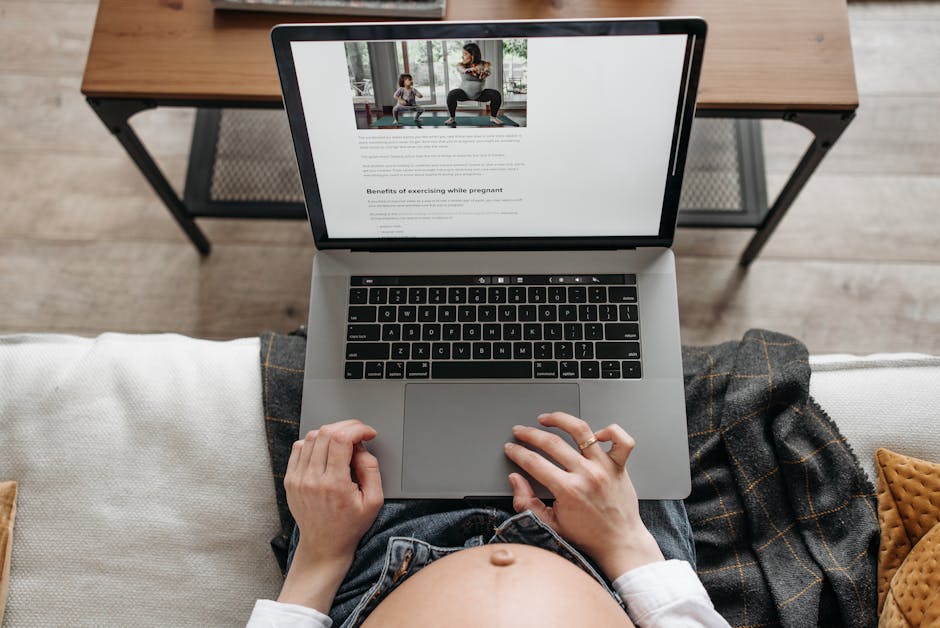
  • Mood boost: Physical activity reduces stress, anxiety, and pregnancy blues.
  • Healthy weight gain: Keeps weight gain steady without excess.
  • Preparation for labor: Builds stamina and muscle strength.
  • Better sleep: Movement helps regulate your sleep cycle.

Several studies, including those from the American College of Obstetricians and Gynecologists (ACOG), show that moderate-intensity exercise during pregnancy is safe for most women and improves outcomes for both mother and baby. The main part is choosing the right types and avoiding risky moves.

Safety Guidelines Before You Start 

Always talk to your doctor before jumping into workouts. Every pregnancy is unique, and factors like high blood pressure, placenta issues, or risk of preterm labor may affect what’s safe for you.

General safety guidelines

  • Aim for 150 minutes of moderate-intensity exercise per week (e.g., 30 minutes, 5 days a week).
  • Warm up before and cool down after workouts.
  • Stay hydrated and avoid overheating.
  • Wear supportive shoes and a comfortable bra.
  • Avoid exercises that involve lying flat on your back for long periods (they can restrict blood flow).
  • Listen to your body. If you feel pain, stop.

Exercise in the second trimester as a way to support your body, not challenge it.

Safe Cardio Exercises

Cardio keeps your heart strong and helps manage weight gain. All you have to do is choose low-impact activities that don’t stress your joints or risk falls.

Walking: One of the safest and easiest options. Keeps you active without strain.
Swimming: Excellent for joint relief, especially as your bump grows. The water supports your body and reduces swelling.
Stationary cycling: Safe alternative to outdoor cycling (which carries a fall risk).
Low-impact aerobics: Gentle classes designed for pregnancy can boost stamina without overexertion.

Tips

  • Keep intensity at a level where you can still hold a conversation (the “talk test”).
  • Avoid high-impact moves, jumping, or activities with a risk of falling (like skiing, horseback riding, or outdoor cycling on busy roads).

Strength Training and Resistance Work

Strength training during the second trimester is safe and highly beneficial when done correctly. It helps reduce back pain, supports posture, and prepares your body for labor.

Safe options include

  • Bodyweight exercises: Squats, wall push-ups, modified planks.
  • Resistance bands: Gentle strength work without heavy weights.
  • Light dumbbells: For arms, shoulders, and back.

Areas to focus on

  • Legs: Squats and lunges (with support) strengthen muscles for carrying pregnancy weight.
  • Back and shoulders: Rows with bands improve posture.
  • Pelvic floor: Kegels build muscles that support labor and recovery.

Safety tips

  • Avoid heavy lifting or holding your breath during lifts.
  • Use slow, controlled movements.
  • Skip exercises that put pressure on your belly.

Stretching and Flexibility

Stretching helps relieve tension, improve flexibility, and ease pregnancy aches. But not all stretches are safe. Your ligaments are looser in pregnancy due to the hormone relaxin, which increases injury risk.

Safe stretches

  • Cat-cow stretch: Relieves back tension.
  • Seated forward bend (gentle): Loosens tight hips.
  • Neck and shoulder rolls: Ease upper body stiffness.
  • Hip openers: Gentle side stretches for pelvic flexibility.

Safety reminders

  • Never overstretch.
  • Hold each stretch for 15–20 seconds.
  • Avoid deep backbends or lying flat for long stretches.

Yoga and Pilates in the Second Trimester

Prenatal yoga and Pilates are excellent in the second trimester because they combine stretching, strength, and relaxation.

Benefits include

  • Improved flexibility and balance.
  • Reduced stress through breathing techniques.
  • Strengthened core and pelvic floor muscles.

What to avoid

  • Hot yoga or heated rooms.
  • Poses that involve lying flat on your back.
  • Inversions (like headstands).

You can look for classes specifically designed for pregnant women, as these adapt poses safely.

Exercises to Avoid in the Second Trimester

Not all exercises are safe in pregnancy. Avoid:

  • High-impact sports (basketball, soccer).
  • Contact sports (boxing, hockey).
  • Activities with a fall risk (skiing, cycling outdoors).
  • Exercises that involve lying flat for too long.
  • Heavy lifting without guidance.

These activities can strain your body or increase the risk of injury. Stick with low-impact, supportive options instead.

Warning Signs to Stop Exercising 

Exercise should make you feel energized, not unwell. Stop immediately if you notice:

  • Dizziness or fainting.
  • Chest pain or shortness of breath.
  • Vaginal bleeding or fluid leakage.
  • Severe cramping or contractions.
  • Sudden swelling or headaches.

These can indicate complications that require medical care. Always err on the side of caution. Call your doctor if you are unsure.

Sample Second Trimester Workout Plan 

Here’s a safe, balanced weekly plan:

  • Day 1: 30-minute walk + 10 minutes stretching.
  • Day 2: Light strength training (squats, resistance band rows, modified push-ups).
  • Day 3: Swimming or stationary cycling (20–30 minutes).
  • Day 4: Prenatal yoga (30 minutes).
  • Day 5: Walk or light aerobics class.
  • Day 6: Rest or gentle stretching.
  • Day 7: Combination of walk + bodyweight strength.

You can modify based on your energy levels, and always check in with your doctor.

Conclusion

The second trimester is often the most comfortable time to stay active during pregnancy. Safe exercise supports your body, boosts your mood, and prepares you for the months ahead. The key is choosing low-impact, pregnancy-friendly workouts, listening to your body, and knowing when to stop. 

With the right approach, exercise becomes less about fitness goals and more about nurturing both you and your baby. Stay mindful, stay safe, and remember you’re building strength not just for pregnancy, but also for the beautiful journey of birth and recovery ahead.

FAQs

Can I start exercising in the second trimester if I didn’t before pregnancy?

Yes, but start slow. Walking, swimming, and prenatal yoga are safe entry points. Avoid intense workouts if you’re a beginner. Always consult your doctor before starting, especially if you have health concerns.

Is running safe in the second trimester?

If you were a runner before pregnancy, light jogging may be safe with your doctor’s approval. However, switch to low-impact cardio if you feel discomfort, joint pain, or fatigue. Avoid starting running if you’re new to it.

How much weight can I lift in the second trimester?

Stick to light weights or resistance bands. Focus on more repetitions instead of heavy lifting. Avoid straining, holding your breath, or lifting objects so heavy that they put pressure on your abdomen or lower back.

Can exercise cause miscarriage?

No, moderate exercise does not increase miscarriage risk in healthy pregnancies. Problems only arise with high-impact, unsafe activities, or if you ignore red-flag symptoms. Exercise is generally protective, not harmful, when done with care.

What’s the best time of day to exercise while pregnant?

The best time is when you feel most energetic, often mornings during the second trimester. Avoid exercising in extreme heat or after large meals. Gentle activity before bedtime can also help improve sleep quality.

The Importance of Postnatal Checkups for New Mothers

Taking care of yourself is the best gift you can give your baby.

This quote holds immense truth, especially during the postnatal period. After giving birth, all attention is often directed toward caring for your newborn, but it’s equally important to prioritize your own well-being. 

The journey doesn’t stop once you’ve delivered your baby; it’s a new chapter that requires support, recovery, and attention to your physical and mental health.

Postnatal checkups are an essential part of this recovery process. These visits with your healthcare provider offer an opportunity to monitor your health, address any concerns, and receive guidance on everything from breastfeeding to family planning. 

In this blog, we’ll dive into why postnatal checkups are so crucial and what you can expect during these important visits.

Why Postnatal Checkups Are Essential

1. Monitoring Physical Recovery

The postnatal period is a time of significant physical change, and healthcare providers need to check how well your body is recovering. After childbirth, your body undergoes a range of adjustments, whether you had a vaginal birth or a C-section.

  • Healing from Birth: If you had a vaginal birth, your provider will check for any perineal tears or episiotomy sites, ensuring that they are healing properly and there are no signs of infection. If you had a C-section, your incision will be examined for signs of infection or complications, such as excessive scarring or delayed healing.
  • Uterine Involution: After giving birth, your uterus needs to return to its pre-pregnancy size. A postnatal checkup will monitor this process, checking for any signs of complications like retained placenta or infections that may cause excessive bleeding.
  • Pelvic Health: Your healthcare provider will assess your pelvic floor health, which can be affected by pregnancy and childbirth. Weak pelvic muscles can lead to issues like incontinence, so pelvic floor exercises may be recommended to strengthen these muscles.

2. Mental and Emotional Health

The physical recovery after birth is just one aspect of postnatal health—mental and emotional well-being are just as important. Many new mothers experience mood swings or even symptoms of postpartum depression (PPD) after childbirth. A postnatal checkup is the perfect time for you to discuss how you’re feeling emotionally.

  • Identifying Postpartum Depression: It’s not uncommon to experience feelings of sadness, anxiety, or irritability during the early days of motherhood. However, if these feelings become overwhelming or last for more than a couple of weeks, it could be a sign of postpartum depression. Postnatal checkups provide an opportunity for you to openly discuss your feelings and seek appropriate support or treatment.
  • Baby Blues vs. Postpartum Depression: The “baby blues” are common and usually subside within two weeks, whereas postpartum depression can persist longer and may require professional intervention. Your healthcare provider can help distinguish between the two and offer guidance.
  • Emotional Support: Your checkup can also serve as a space to talk about any other emotional challenges you may face, including adjustment to motherhood, relationship dynamics, and the changes in your life after childbirth.

3. Breastfeeding Support

For new mothers, breastfeeding is a significant part of postnatal care, but it doesn’t always come easily. Postnatal checkups provide an opportunity to discuss your breastfeeding experience, get advice, and solve any challenges you may be facing.

  • Proper Latching and Milk Supply: If you’re struggling with latching issues, nipple pain, or concerns about milk production, your healthcare provider can offer tips, help you improve your technique, and address any issues.
  • Breastfeeding Challenges: Some mothers may face challenges like engorgement, mastitis, or blocked ducts. If you have concerns, discussing them during your postnatal checkup allows you to get the help you need early.
  • Support Resources: Your provider may refer you to a lactation consultant or breastfeeding support group if additional help is needed.

4. Birth Control and Family Planning

After childbirth, many women want to discuss family planning and birth control options. Your postnatal checkup is a good time to review your options and choose what works best for your health and lifestyle.

  • Contraceptive Options: There are many safe birth control options for new mothers, including hormonal methods (like the pill, patch, or IUD) and non-hormonal methods (like condoms or fertility awareness). Your healthcare provider can discuss which options are safe and appropriate for you, depending on whether you’re breastfeeding or not.
  • Future Family Planning: If you’re thinking about the spacing of future pregnancies, your postnatal visit is the right time to talk about your goals and plan accordingly.

What to Expect During a Postnatal Checkup

1. Physical Exam

At your postnatal checkup, your doctor will likely perform a thorough physical exam, which may include:

  • Checking your uterus to ensure it’s shrinking back to its pre-pregnancy size.
  • Inspecting your incision if you had a C-section or any tears or stitches from a vaginal birth.
  • Testing for signs of high blood pressure or pre-eclampsia, which can develop after delivery in some cases.

2. Mental Health Screening

Your provider will ask about your emotional well-being, and may use screening tools to assess your risk for postpartum depression. This is an important opportunity to discuss any stress, anxiety, or overwhelming emotions you’re experiencing. Don’t hesitate to share your feelings.

3. Breastfeeding Support

If you’re breastfeeding, your healthcare provider will check how well your baby is feeding, your milk supply, and if you’re experiencing any issues like pain or engorgement. They can offer practical advice to help improve the experience for both you and your baby.

4. Blood Tests

Your provider may order blood tests to check for any underlying conditions, such as anemia, thyroid issues, or vitamin deficiencies. These tests can help ensure you’re physically ready to resume regular activities.

5. Family Planning Discussion

At this appointment, your provider will discuss your contraceptive options, particularly if you’re planning to avoid another pregnancy for a while. You may also discuss your birth preferences for any future pregnancies and what you would like in terms of family planning.

Postnatal Care Beyond the Checkup

While the six-week checkup is a standard milestone in postnatal care, it’s essential to remember that recovery and emotional well-being don’t stop there. Some women may experience complications, and ongoing care may be necessary.

Follow-up Appointments

Some women may need additional follow-up visits if there are complications, such as infections, chronic pain, or breastfeeding difficulties. Don’t hesitate to schedule additional visits with your healthcare provider if you have concerns between your six-week checkups.

Support Groups

Joining a postnatal support group can be incredibly beneficial. These groups provide a safe space to share your experiences with other new mothers, discuss emotional challenges, and get helpful tips on everything from baby care to managing your own health.

Conclusion

Postnatal checkups are a vital part of the care and recovery process after childbirth. These visits ensure that you are healing physically, emotionally, and mentally, while also offering valuable guidance on breastfeeding, family planning, and self-care. 

It’s easy to become overwhelmed by the demands of motherhood, but taking the time for these checkups helps ensure that you’re looking after yourself as well as your new baby. 

FAQs

1. How soon should I schedule my postnatal checkup?

Your postnatal checkup is typically scheduled six weeks after birth. However, if you had complications or concerns during childbirth, additional follow-ups may be necessary sooner.

2. Is it normal to feel emotional after childbirth?

Yes, emotional fluctuations are very common after childbirth due to hormonal changes. However, if these feelings last longer than two weeks or become overwhelming, it may be postpartum depression, which requires medical attention.

3. Can I resume physical activities after my postnatal checkup?

It depends on your recovery. Your doctor will assess your condition and advise on when it’s safe to resume physical activities. Generally, light exercise can begin after six weeks, but always follow your doctor’s guidance.

4. Do I need postnatal care if I had a C-section?

Yes, even after a C-section, postnatal care is essential. Your doctor will check the healing of your incision, your emotional well-being, and any physical issues that may arise from the surgery.

5. What should I do if I have trouble breastfeeding?

If you’re experiencing difficulties with breastfeeding, don’t hesitate to reach out to your healthcare provider or a lactation consultant for support. They can offer practical tips and solutions to make breastfeeding easier.

Practical Strategies for Coping with Pregnancy-Related Anxiety

Pregnancy is a time of change for your body, but also for your mind. As you look forward to welcoming your baby, it’s easy for worries and fears to take center stage. From the moment you see those two pink lines on a test, your life changes. 

With so much focus on your baby’s health, it’s easy to forget about your own mental well-being. Anxiety during pregnancy is common, but it’s not often talked about openly.

Feeling anxious about your pregnancy is natural, but you don’t have to let it overshadow your excitement. 

In this blog, we’ll explore practical, manageable strategies to help you embrace this special time with a clearer, calmer mind. Small daily habits and simple relaxation techniques will help you create a peaceful space for both you and your baby as you navigate the ups and downs of pregnancy.

Pregnancy-Related Anxiety

Before diving into strategies for managing anxiety, it’s essential to understand why pregnancy can be such a stressful time emotionally. Pregnancy-related anxiety can stem from several sources, including:

  • Physical Changes: Your body is undergoing dramatic transformations, and with that comes uncertainty. You may worry about weight gain, physical discomfort, or your changing appearance.
  • Hormonal Fluctuations: The hormonal changes during pregnancy can have a significant impact on your mood, causing mood swings or heightened anxiety.
  • Health Concerns: Many women feel anxious about their baby’s health and development, especially if they have had prior pregnancy complications or are experiencing new symptoms.
  • Fear of the Unknown: As the due date approaches, the anticipation of labor, delivery, and the new responsibilities of parenthood can lead to feelings of uncertainty and fear.

While these feelings are natural, it’s important to address them in a healthy way. There are many tools and techniques you can use to help manage pregnancy-related anxiety effectively.

  1.  Focus on Self-Care

Taking care of your mental and physical well-being is crucial during pregnancy. The better you feel physically, the easier it will be to manage stress and anxiety.

Prioritize Sleep

Sleep deprivation can heighten feelings of anxiety. Ensuring you get enough rest is essential for both your mental and physical health. Try to establish a consistent bedtime routine to help you wind down before sleep. 

Consider using pillows to support your body and improve comfort, and try to keep your bedroom cool and dark for better rest.

Eat Nutritious Foods

Your diet can also play a role in how you feel emotionally. Eating nutrient-dense foods like fruits, vegetables, whole grains, and lean proteins can help stabilize your blood sugar levels, which can influence your mood. Avoid excessive caffeine and sugary foods, as they can contribute to feelings of anxiety.

Engage in Physical Activity

Exercise has been shown to reduce stress and anxiety by releasing endorphins, which are natural mood elevators. 

Choose activities that are gentle on your body, such as walking, swimming, or prenatal yoga. Exercise can also improve your sleep quality, reduce tension, and help you feel more connected to your body.

Relaxation Techniques

Incorporate relaxation practices into your daily routine to reduce stress. Simple techniques like deep breathing, progressive muscle relaxation, or guided imagery can help calm your nervous system. Taking even just five minutes to practice these techniques can provide significant relief from anxiety.

  1. Practice Mindfulness and Meditation

Mindfulness and meditation are powerful tools for managing anxiety. These practices help you focus on the present moment, reducing worries about the future or past that can fuel anxiety.

Mindfulness Techniques

Mindfulness involves being fully present in the moment without judgment. During pregnancy, this could mean paying attention to the sensations in your body and the movements of your baby, rather than getting caught up in anxious thoughts about the future.

You can practice mindfulness through simple activities like:

  • Mindful eating: Paying attention to the textures, flavors, and smells of your food as you eat.
  • Body scanning: Gently scanning your body from head to toe and noticing any areas of tension or discomfort.
  • Breathing exercises: Focus on your breath as you inhale and exhale, letting go of any racing thoughts.

Meditation

Meditation helps quiet the mind and reduce stress. You can practice meditation by sitting comfortably and focusing on your breath or using a guided meditation app designed for pregnancy. Even just a few minutes a day can significantly lower anxiety levels.

  1.  Connect with Your Partner and Support System

Pregnancy can feel isolating at times when you’re dealing with anxiety. Reaching out to those around you for support is crucial for maintaining emotional balance.

Talk to Your Partner

Talking to your partner about your feelings can help alleviate anxiety. Share your concerns, worries, and fears openly with them. Feeling heard and supported can be incredibly reassuring. Sometimes, simply expressing what you’re going through can provide immense relief.

Seek Support from Family and Friends

Don’t hesitate to lean on your family and friends for emotional support. Sometimes, just spending time with loved ones can help distract you from anxious thoughts. 

You may also consider joining a pregnancy support group, either in person or online, where you can connect with other expectant mothers who are experiencing similar feelings.

Professional Support

If your anxiety feels overwhelming or persistent, it may be helpful to talk to a professional. A therapist or counselor who specializes in pregnancy-related mental health can provide valuable support. 

Cognitive-behavioral therapy (CBT) is particularly effective for anxiety, and therapists can teach you coping strategies tailored to your needs.

  1.  Limit Stress Triggers

Pregnancy is a time of transition, and while it’s not always possible to eliminate stress, there are steps you can take to limit stress triggers and reduce anxiety.

Set Boundaries

It’s important to set boundaries during pregnancy to protect your mental and emotional health. If certain activities or people are causing you unnecessary stress, it’s okay to say no. 

You don’t need to take on too much or feel obligated to please everyone around you. Prioritize your well-being and practice self-care.

Avoid Negative Media and Conversations

Constant exposure to negative media or stressful news can heighten anxiety. During pregnancy, it’s especially important to shield yourself from unnecessary stressors. 

Consider limiting your exposure to news that causes you worry, and focus on activities that promote relaxation and joy.

Simplify Your To-Do List

Pregnancy can make everyday tasks feel more challenging, so be gentle with yourself. Simplify your to-do list and delegate tasks when possible. Focus on the essentials and allow yourself time to rest. It’s okay to let go of perfection during this time.

  1. Educate Yourself about Pregnancy and Labor

One of the most common sources of anxiety for pregnant women is the fear of the unknown. Whether it’s worries about childbirth, labor, or your baby’s health, anxiety often comes from not knowing what to expect. 

Educating yourself can help you feel more prepared and confident as you approach the later stages of pregnancy.

Attend Prenatal Classes

Prenatal classes are a great way to learn about the physical and emotional aspects of pregnancy and labor. These classes often cover topics like childbirth preparation, breastfeeding, and newborn care, which can help you feel more confident when the time comes.

Read Books and Articles

Reading informative books and articles on pregnancy, childbirth, and parenting can help you feel more knowledgeable and prepared. Look for sources written by trusted healthcare professionals that provide evidence-based information.

Talk to Your Healthcare Provider

If you have specific concerns about your pregnancy or labor, don’t hesitate to reach out to your doctor or midwife. Asking questions about what to expect and discussing any fears you have can help you feel more in control of the situation.

  1. Know When to Seek Help

While some anxiety during pregnancy is normal, it’s important to recognize when it becomes overwhelming or unmanageable. If you experience any of the following, it’s time to seek professional help:

  • Constant, overwhelming anxiety or panic attacks
  • Depressive thoughts or feelings
  • Inability to function in daily life due to anxiety
  • Thoughts of self-harm or harming others

Pregnancy is a significant life event, and it’s okay to ask for help if you’re struggling. Don’t hesitate to reach out to your healthcare provider, who can offer resources, support, or referrals to mental health professionals.

Conclusion

Pregnancy-related anxiety is a common experience, but it doesn’t have to control your life. By practicing self-care, utilizing relaxation techniques, and seeking support from loved ones, you can manage your anxiety and enjoy a more peaceful pregnancy. 

Keep in mind that it’s okay to ask for help if needed, and you’re not alone in this journey. Pregnancy is a time of change, and with the right strategies, you can navigate this experience with greater confidence and calm. 

Take care of your mind as much as you take care of your body, as your emotional well-being is just as important as your physical health.

FAQs

How can I reduce anxiety during pregnancy?

Practice relaxation techniques such as deep breathing, yoga, or meditation. Regular exercise, a balanced diet, and adequate sleep can also help reduce stress and anxiety.

Is it normal to feel anxious during pregnancy?

Yes, anxiety is common during pregnancy due to hormonal changes, physical discomfort, and the anticipation of becoming a parent. However, if anxiety becomes overwhelming, seeking professional help is recommended.

How can my partner help manage my pregnancy-related anxiety?

Your partner can offer emotional support by listening to your concerns, helping with daily tasks, and reassuring you. Attending prenatal classes together and preparing for labor as a team can also reduce anxiety.

When should I seek professional help for pregnancy-related anxiety?

If your anxiety is affecting your ability to function, causing physical symptoms like panic attacks, or if you experience depressive thoughts, seek professional help from a therapist or counselor.

Can I still enjoy pregnancy while feeling anxious?

Yes! By incorporating self-care, mindfulness practices, and seeking support, you can reduce anxiety and enjoy your pregnancy. Focus on the positive aspects and take time to relax and bond with your baby.

Everything You Need to Know About Cesarean Birth: What to Expect and How to Prepare

Childbirth is a monumental experience, but the delivery path can look different for each woman. While some may give birth vaginally, others may need a C-section. 

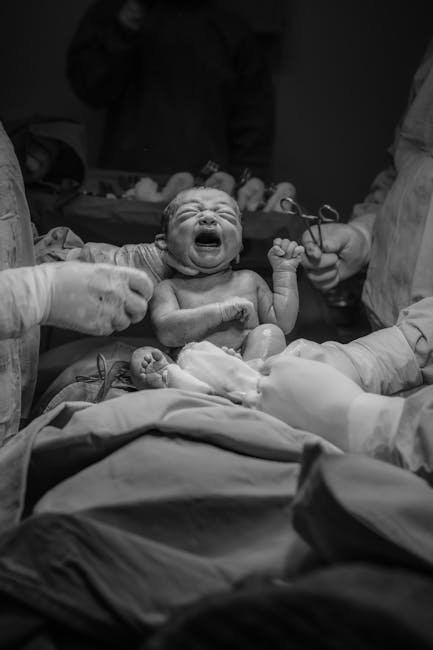
A Cesarean section, commonly known as a C-section, is a surgical procedure where the baby is delivered through an incision in the abdomen and uterus. Though the decision for a C-section might seem daunting, it’s an increasingly common and safe procedure performed to ensure the health and safety of both mother and baby.

In this blog, we’ll break down everything you need to know about C-sections, from the reasons why they might be necessary to what to expect during and after the surgery. 

Why a C-Section May Be Needed

While many pregnancies result in a vaginal birth, there are instances where a C-section may be necessary. Some reasons for opting for a C-section include:

  • Medical Complications: Conditions such as high blood pressure (pre-eclampsia), gestational diabetes, or an infection may require a C-section to ensure the safety of both mother and baby.
  • Breech Position: If the baby is in a breech position (feet or buttocks first), a C-section may be recommended if vaginal birth isn’t possible.
  • Multiple Babies: Women carrying twins or higher-order multiples may need a C-section to prevent complications during delivery.
  • Fetal Distress: If the baby shows signs of distress during labor, a C-section may be needed for a quicker delivery.
  • Previous C-sections: If you’ve had a C-section in the past, you may require one again, particularly if you have certain complications such as a uterine scar or other concerns that make a vaginal birth less safe.

C-sections can be planned (elective) or unplanned (emergency), and your healthcare provider will discuss the best option for you depending on your specific circumstances.

What to Expect During a C-Section

Knowing what will happen on the day of your C-section can help ease any nerves you might have. The procedure usually takes about 45 minutes to an hour, and while it’s a surgical operation, it’s commonly performed under local anesthesia, meaning you’ll be awake but numb from the waist down.

Step-by-Step Process of a C-Section:

  1. Preparation

You will be taken to the operating room, where an intravenous (IV) line will be inserted to administer fluids and medications. A catheter will also be placed in your bladder to keep it empty during the procedure. Your abdomen will be cleaned and sterilized, and a sterile drape will be placed over you, so only the surgical area is exposed.

  1. Anesthesia

The most common form of anesthesia used for C-sections is an epidural or spinal block, which numbs the lower half of your body. In some cases, general anesthesia may be used, but this is less common unless there are complications.

  1. Incision and Delivery

Once you are numbed, the surgeon will make a horizontal incision just above your pubic bone. In certain situations, a vertical incision might be used. After making the incision, the surgeon will gently lift the baby out of the womb.

  1. After the Baby is Delivered

Once your baby is born, the cord will be cut, and your baby will be shown to you. If the baby is healthy and there are no complications, they will be handed to your partner or placed under a warmer. If needed, the baby will be assessed and cared for by the medical team.

  1. Closing the Incision

After the baby is delivered, the surgeon will remove the placenta and stitch up the incision in layers. This will be done carefully to minimize any scarring.

Recovery After a C-Section

Recovery from a C-section is typically longer than from a vaginal birth, as it is a major abdominal surgery. Here’s what to expect as you recover:

Hospital Stay

After the procedure, you will stay in the hospital for about 2–4 days, depending on your recovery. During this time, your healthcare team will monitor you for signs of complications, such as infection or excessive bleeding.

Pain Management

It’s normal to experience some discomfort after a C-section, particularly at the incision site. Your doctor will provide pain relief options, including oral pain medications or IV medication. A scar massage technique can also help with healing.

Physical Limitations

You will be advised to avoid strenuous activities for several weeks, including lifting anything heavier than your baby. It’s important to rest, but walking around and moving gently will help prevent blood clots and promote healing. Your doctor may also recommend deep breathing exercises to improve circulation.

Emotional Well-being

It’s normal to feel a range of emotions after your C-section, from joy to frustration or sadness. Don’t hesitate to talk to a counselor or therapist if you are struggling emotionally. Sometimes, a C-section can feel like a disappointment or a loss if it wasn’t part of the birth plan, but know that it was performed to ensure the health and safety of you and your baby.

Follow-Up Appointments

You’ll need to attend follow-up appointments with your healthcare provider to monitor your incision site and ensure you’re healing properly. Your doctor will check for any signs of infection and address any concerns you may have.

Tips for a Smooth C-Section Recovery

Recovery after a C-section can be a challenging process, but with the right care and support, it can go smoothly. Here are some tips to help you recover more comfortably:

  • Accept Help: Don’t hesitate to ask for help from family members or friends, especially in the early days. Having someone assist with household tasks or caring for the baby can ease your recovery.
  • Take It Slow: Don’t rush your recovery. Take things one step at a time, and allow your body the time it needs to heal. Listen to your body and rest when you need to.
  • Hydrate and Eat Well: Eating a nutritious diet and drinking plenty of water will help with healing. Focus on foods rich in protein, fiber, and vitamins to support recovery and keep your energy up.
  • Wear Comfortable Clothing: After a C-section, you may find that tight or restrictive clothing irritates the incision site. Opt for loose-fitting clothes that are gentle on your healing body.
  • Use a Pillow for Support: Placing a pillow against your abdomen when you cough, sneeze, or laugh can reduce discomfort and protect the incision site. It can also make sitting up and getting out of bed easier.

Risks and Complications of C-Sections

While C-sections are generally safe, as with any surgical procedure, there are some risks involved. Understanding these risks can help you make an informed decision with your healthcare provider:

  • Infection: Any surgery comes with the risk of infection. After a C-section, your incision and uterus need time to heal, and your doctor will monitor you closely for signs of infection.
  • Blood Clots: After a C-section, there’s an increased risk of developing blood clots, especially in your legs or lungs. Your doctor may recommend medication to prevent clots during recovery.
  • Injury to Surrounding Organs: In rare cases, the bladder, intestines, or other organs may be accidentally injured during a C-section. However, this is very uncommon.
  • Scar Tissue and Adhesions: Over time, scar tissue can form around the incision site, potentially leading to future complications, especially if you plan to have additional C-sections.

When Is a C-Section Scheduled?

In some cases, a C-section is planned if there are known complications or risks. For example, if your baby is in a breech position or if you’ve had previous C-sections, your doctor may suggest a C-section well before your due date.

However, many C-sections are unplanned and occur during labor if complications arise, such as fetal distress, stalled labor, or if your health changes unexpectedly. In these cases, the decision to perform a C-section is made for the safety of both you and your baby.

Conclusion

A C-section is a safe and common procedure that many women undergo to ensure the healthy delivery of their baby. While recovery may take time, it’s important to remember that a C-section is performed with the intention of safeguarding both your well-being and your baby’s. 

Understanding what to expect during and after the procedure, knowing how to manage your recovery, and maintaining open communication with your healthcare provider can make your experience smoother and more positive.

FAQs

1. How long does it take to recover from a C-section?

Most women need about 6 to 8 weeks to recover from a C-section. This can vary depending on your body and any complications that arise.

2. Can I have a vaginal birth after a C-section?

In many cases, a vaginal birth after cesarean (VBAC) is possible. However, this depends on factors like the type of incision you had and whether you have any medical risks.

3. Will I experience pain after a C-section?

You may experience some discomfort or pain around the incision site. Your doctor will provide pain management options to help you recover more comfortably.

4. How soon can I hold my baby after a C-section?

In most cases, you can hold your baby shortly after the procedure, once you’re stable. Your healthcare team will assist with bonding and breastfeeding.

5. Are there any long-term effects of having a C-section?

While most women recover fully from a C-section, some may experience long-term effects such as scar tissue or complications in future pregnancies. Discuss any concerns with your doctor.

First Trimester Red Flags: When You Should Call Your Doctor

The first trimester of pregnancy (the first 12 weeks) is often a mix of excitement and worry. Your body is changing quickly, and your baby is developing faster than at any other stage. 

During this time, it’s natural to feel every cramp, twinge, or new symptom more intensely. Some of these changes are completely normal, while others may signal something that needs attention.

The truth is, most pregnancies go smoothly, but knowing which signs are harmless and which ones require a doctor’s visit can help you feel more confident. 

This guide will walk you through common first-trimester experiences, highlight red flags you should never ignore, and explain when to call your doctor without hesitation.

Understanding the First Trimester

The first trimester begins on the first day of your last menstrual period and continues until the end of week 12. Even though conception typically happens about two weeks after your last period, doctors count pregnancy weeks starting from that date. By the end of this trimester, your baby will be about the size of a lime, with organs, limbs, and facial features already forming.

For you, this stage is full of adjustments. Hormones like progesterone and estrogen rise sharply, triggering changes in nearly every part of your body. Fatigue, mood swings, nausea, and food cravings are common. While many of these symptoms are uncomfortable, they are usually a sign that your body is adapting well to pregnancy.

But here’s the key: not every symptom is normal. Knowing the difference between typical first-trimester discomfort and true warning signs can protect both your health and your baby’s health.

Normal First Trimester Symptoms

It is important to understand what normal first-trimester symptoms look like before jumping to know the red flags. These can sometimes feel scary, but most of them are expected and safe.

  • Morning sickness: Nausea and vomiting affect up to 70–80% of pregnant women. It usually peaks around weeks 7–9 and often improves by the second trimester. As long as you can keep fluids down, it’s usually not a concern.
  • Mild cramps or twinges: Your uterus is stretching and growing, so some mild cramping is expected. Think of it like gentle period cramps—noticeable but not unbearable.
  • Fatigue: Feeling drained is very common, thanks to rising progesterone levels and your body working harder to support the pregnancy.
  • Breast changes: Tenderness, swelling, or darkening of the areola are all normal, caused by hormone shifts preparing your body for breastfeeding.
  • Mood swings: Emotional ups and downs are common as hormones surge.

These symptoms are uncomfortable, but they’re part of the natural process. The red flags are when these experiences become extreme, for example, vomiting so much you can’t keep water down, or cramps so severe they double you over. That’s when you call your doctor.

First Trimester Red Flags

Red Flag #1: Heavy Vaginal Bleeding

Spotting in the first trimester can be completely normal. About one in four pregnant women experiences light bleeding or spotting, especially around the time of implantation. This bleeding is usually light pink or brown, doesn’t include clots, and goes away in a day or two.

But heavy bleeding is different. If you notice bright red blood, clots, or enough bleeding that you need a pad in a short time, that’s a red flag. Heavy bleeding in early pregnancy can signal a miscarriage or an ectopic pregnancy, both of which require medical attention.

When to call your doctor

  • If bleeding soaks through a pad in an hour or less.
  • If bleeding is accompanied by cramping, dizziness, or severe pain.
  • If you pass large clots or tissue.

It’s natural to panic when you see blood during pregnancy. Remember, spotting isn’t always dangerous, but heavy or persistent bleeding should always be checked. Calling your doctor right away ensures you get the right care and reassurance.

Red Flag #2: Severe Abdominal or Pelvic Pain

Some cramping in the first trimester is normal; your uterus is stretching, and your ligaments are adjusting. These cramps usually feel mild, like period pains, and come and go without much trouble.

But severe abdominal or pelvic pain is not normal. If the pain is sharp, one-sided, or comes with bleeding or dizziness, it may indicate an ectopic pregnancy. It happens when a fertilized egg implants outside the uterus, usually in a fallopian tube. Ectopic pregnancy is rare but serious, and it requires urgent medical treatment.

When to call your doctor

  • If pain is sudden, severe, or doesn’t improve with rest.
  • If pain is on one side of the abdomen.
  • If pain comes with bleeding, faintness, or shoulder pain.

Don’t wait to see if the pain will pass. Your doctor would rather you call and it turns out to be nothing than risk ignoring something serious.

Red Flag #3: Severe Nausea and Vomiting

Morning sickness is common in early pregnancy, but there’s a difference between normal nausea and something more serious. If you’re vomiting so much that you can’t keep food or water down, it could be hyperemesis gravidarum, a condition that can lead to dehydration and weight loss.

Dehydration in pregnancy is dangerous for both you and your baby. Signs include dark urine, dizziness, a racing heartbeat, or inability to urinate.

When to call your doctor

  • If you can’t keep fluids down for more than 24 hours.
  • If you lose weight instead of maintaining or gaining.
  • If nausea interferes with daily activities severely.

There are safe medications your doctor can prescribe to control nausea, and IV fluids may sometimes be needed. Don’t try to tough it out. Severe vomiting is not something you should ignore.

Red Flag #4: High Fever or Signs of Infection

It’s common to catch a mild cold or feel a little under the weather during pregnancy. But a high fever, such as above 38°C (100.4°F) in the first trimester, is a red flag.

Fever can increase the risk of complications, especially in early pregnancy when your baby’s organs are forming. Infections like urinary tract infections (UTIs), flu, or even foodborne illnesses can also start with fever.

When to call your doctor

  • If your temperature is 38°C (100.4°F) or higher.
  • If fever comes with chills, back pain, or painful urination.
  • If you have flu-like symptoms that worsen instead of improving.

While waiting for care, stay hydrated and rest, but avoid over-the-counter fever reducers without checking with your doctor first. Some medicines are safe, others aren’t; your doctor will guide you.

Red Flag #5: Dizziness, Fainting, or Shortness of Breath

Mild dizziness is common in early pregnancy because hormones lower your blood pressure. Standing up too quickly might make you feel lightheaded, and that’s usually nothing to worry about.

But frequent fainting spells, severe dizziness, or unexplained shortness of breath are red flags. These could signal anemia, dehydration, or, in rare cases, complications like ectopic pregnancy or heart issues.

When to call your doctor

  • If you faint, even once.
  • If you feel dizzy most of the day.
  • If shortness of breath occurs at rest, not just after activity.

Until you’re checked, avoid standing for long periods, rise slowly from sitting, and keep snacks handy to maintain blood sugar.

Red Flag #6: Severe Headaches, Vision Changes, or Swelling

Headaches are common in early pregnancy, often due to hormones or fatigue. But severe headaches, especially with vision changes like blurriness or flashing lights, shouldn’t be ignored.

These can be early signs of high blood pressure or, rarely, preeclampsia (though preeclampsia is more common later in pregnancy). Swelling of the face or hands, along with headaches, makes this even more concerning.

When to call your doctor

  • If headaches are intense and don’t improve with rest.
  • If vision changes suddenly.
  • If swelling appears rapidly in your hands, face, or around the eyes.

Even if preeclampsia is unlikely this early, these symptoms deserve immediate medical attention to rule out serious conditions.

Red Flag #7: Sudden Loss of Pregnancy Symptoms

One of the trickier red flags is when pregnancy symptoms like nausea, breast tenderness, or fatigue suddenly vanish overnight. For some women, this is just how their body adjusts, but for others, it may be linked to miscarriage.

Not all miscarriages start with bleeding or pain. Sometimes the first clue is that symptoms fade quickly and don’t return.

When to call your doctor

  • If all symptoms stop suddenly in the first trimester.
  • If loss of symptoms comes with spotting, cramps, or back pain.

Your doctor can do an ultrasound or a hormone test to check. Sometimes the pregnancy is fine, but it’s always better to get reassurance.

How to Communicate with Your Doctor

When you notice a red flag, it’s natural to feel nervous. But calling your doctor doesn’t mean you’re overreacting; it means you’re taking care of yourself and your baby. Doctors expect and encourage these calls, especially during the first trimester.

Here are a few tips to make communication smoother:

  • Be specific: Describe when the symptom started, how strong it is, and what makes it better or worse.
  • Track details: For bleeding, note the color and amount. For pain, explain if it’s sharp, dull, or one-sided.
  • Don’t downplay symptoms: Even if you feel unsure, let your doctor decide whether it’s serious.
  • Prepare questions: Write them down so you don’t forget during the appointment.

Your doctor would rather you call ten times for something minor than stay silent about a symptom that turns serious.

Conclusion

The first trimester is full of changes, and most of them are perfectly normal. But knowing the difference between everyday pregnancy discomfort and real red flags can make all the difference for you and your baby.

Heavy bleeding, severe pain, constant vomiting, high fever, fainting, vision changes, or sudden loss of symptoms. These are not things to wait on. Calling your doctor right away brings peace of mind and ensures you get the right care quickly.

Remember, you’re not bothering anyone by seeking help. Listening to your body and acting early is one of the most powerful ways to protect both your health and your baby’s future.

FAQs

  1. Is spotting normal in the first trimester?

Yes, light spotting can be normal, especially during implantation. But heavy bleeding, clots, or bleeding with severe pain are not normal and require a doctor’s check right away. Always call if you’re unsure.

  1. When should I worry about cramps?

Mild cramps are common as your uterus grows. But if cramps are sharp, one-sided, or come with bleeding or dizziness, it’s time to call your doctor. Pain that interferes with daily activities isn’t normal.

  1. Can stress cause red flag symptoms?

Stress can affect your cycle and make you feel more fatigued or emotional, but it doesn’t usually cause heavy bleeding, severe pain, or high fever. If you see these symptoms, don’t assume stress—get checked.

  1. What’s the difference between morning sickness and hyperemesis gravidarum?

Morning sickness causes mild-to-moderate nausea that improves with small meals. Hyperemesis gravidarum is extreme, constant vomiting, dehydration, and weight loss. If you can’t keep fluids down for 24 hours, it’s time to call your doctor.

  1. How often should I see my doctor in the first trimester?

Most women have their first prenatal visit around 6–8 weeks, then every 4–6 weeks. But if you notice red flag symptoms, don’t wait for your appointment; call immediately. Regular visits are important, but urgent symptoms can’t wait.

Pregnancy Cravings: How to Satisfy Them Healthily

Pregnancy is an exciting time, filled with physical and emotional changes. Among the most well-known and often discussed experiences during pregnancy are the cravings. 

You’ve probably heard stories of women longing for pickles, ice cream, or other unusual combinations of food. But the truth is, cravings are a real phenomenon that many pregnant women experience.

Whether it’s salty, sweet, or even non-food items (a condition known as pica), cravings can vary widely from woman to woman. But just because you’re craving something doesn’t mean you have to give in to unhealthy choices. 

The crucial thing is satisfying those cravings in a way that supports both your health and your baby’s. In this guide, we’ll discuss the science behind pregnancy cravings, common cravings and their nutritional needs, and how you can indulge more healthily.

The Science Behind Pregnancy Cravings 

Why Do Pregnancy Cravings Happen?

The exact cause of pregnancy cravings is not fully understood, but there are several theories to explain why they occur. Some of the most popular include:

  • Hormonal Changes: Pregnancy causes a surge in hormones like hCG (human chorionic gonadotropin) and progesterone, which influence your taste preferences and food choices. These hormones are believed to make you more sensitive to certain flavors and textures.
  • Nutritional Deficiencies: Some cravings may signal your body’s need for certain nutrients. For example, craving red meat could indicate a need for iron, while craving citrus fruits might mean a need for vitamin C.
  • Increased Blood Flow: Pregnancy increases your blood flow, including to your taste buds, which could alter your taste perception, making certain flavors more intense or desirable.
  • Psychological Factors: Cravings can also be tied to the emotional changes that come with pregnancy. You might find comfort in food as a way to manage stress, anxiety, or even just the excitement of this new phase in life.

While cravings can be a fun part of pregnancy, it’s important to note that they can also be difficult to manage, especially if they involve unhealthy foods. Understanding the underlying reasons for cravings can help you manage them better and make healthier choices for you and your baby.

Common Pregnancy Cravings and What They Mean 

Different cravings can mean different things, from your body’s nutritional needs to hormonal changes. Here’s a breakdown of the most common cravings and what they might indicate:

Salty Cravings

If you’re suddenly craving chips, pretzels, or other salty foods, you’re not alone. Many women experience a strong desire for salty foods during pregnancy. This could be due to a combination of hormonal changes and a need for sodium, which helps maintain fluid balance in your body. 

Salt also helps regulate blood pressure, and if your blood pressure is fluctuating due to pregnancy, your body may crave more salty foods to compensate.

Healthier Alternatives

  • Roasted nuts: Rich in healthy fats and protein.
  • Popcorn: A low-calorie option when prepared without too much butter or salt.
  • Vegetable chips: Homemade kale chips or sweet potato chips can provide the crunch you crave without the excessive sodium.

Sweet Cravings

Sweet cravings, like the sudden urge to eat chocolate, ice cream, or sugary snacks, are another common pregnancy phenomenon. 

This could be due to hormonal changes or fluctuations in blood sugar levels. Your body may crave quick energy from sugar, especially if your blood sugar is dropping or if you’re feeling tired.

Healthier Alternatives

  • Fresh fruit: Grapes, berries, or bananas can satisfy your sweet tooth while providing fiber and vitamins.
  • Dark chocolate: Choose chocolate with at least 70% cocoa to reduce sugar intake and get antioxidants.
  • Greek yogurt with honey: A sweet, protein-packed option that also offers calcium and probiotics.

Craving Dairy Products

Pregnancy can make your body crave dairy, likely due to your body’s increased need for calcium. Calcium is crucial for your baby’s bone development, and dairy products like cheese, milk, and yogurt are great sources.

Healthier Alternatives

  • Almond or soy milk: Rich in calcium and a good non-dairy option.
  • Low-fat cheese: Provides protein and calcium without the extra calories.
  • Greek yogurt: Full of calcium and probiotics for digestive health.

Craving Meat

Some pregnant women crave red meat, such as steak or burgers, often due to a need for iron. Iron helps carry oxygen through your body and is crucial for your baby’s development. 

If your iron levels are low, your body may crave meat to fulfill this need.

Healthier Alternatives

  • Lean meats: Opt for chicken, turkey, or fish as healthier, leaner sources of protein.
  • Lentils and beans: Excellent sources of iron for vegetarians.
  • Tofu and quinoa: Plant-based options that can also provide a good amount of iron.

Managing Non-Food Cravings: Pica 

In some rare cases, pregnant women experience pica, a condition where there is a craving for non-food items such as chalk, clay, or dirt. 

This can be caused by nutritional deficiencies, such as a lack of iron or zinc, or it may also be a result of hormonal changes.

How to Manage Pica

  • Consult Your Doctor: Pica should be addressed with medical guidance. It’s essential to identify any potential nutritional deficiencies and discuss them with your healthcare provider.
  • Iron and Zinc Supplements: If your pica is linked to an iron or zinc deficiency, your doctor may recommend supplements to help correct the issue.
  • Psychological Support: In some cases, pica can be associated with psychological conditions, and counseling may help.

It’s crucial to take pica seriously, as consuming non-food substances can be harmful to both you and your baby.

Balancing Cravings and Healthy Eating 

While satisfying cravings is important, it’s equally essential to maintain a balanced diet to support your pregnancy. Overindulging in unhealthy foods can lead to excessive weight gain, gestational diabetes, or other complications. Here’s how to strike a balance:

  1.  Eat Nutrient-Dense Foods First

Before giving in to cravings, ensure that you’re getting the essential nutrients your body and baby need. Focus on eating whole grains, lean proteins, fruits, and vegetables. Nutrient-dense foods should form the foundation of your diet.

  1.  Practice Portion Control

Instead of completely depriving yourself of cravings, try portion control. If you’re craving a piece of chocolate or a salty snack, have a small serving rather than indulging in an entire bag. Savor the food, and be mindful of your intake.

  1.  Hydrate

Sometimes, dehydration can be mistaken for hunger or cravings. Drink plenty of water throughout the day. Keeping yourself hydrated can also help control cravings by keeping you fuller for longer.

  1.  Plan Your Meals and Snacks

When you’re feeling hungry, it’s easier to give in to unhealthy cravings. Try planning your meals and snacks to ensure you always have healthy options on hand. This way, when cravings strike, you’ll have something nutritious to satisfy them.

  1.  Listen to Your Body

While it’s important to satisfy cravings, try to listen to your body. If you’re craving something sweet, try fresh fruit or yogurt before diving into a candy bar. If it’s salty food you crave, choose nuts or baked vegetable chips instead of processed snacks.

When to Consult a Doctor 

While cravings are normal, there are times when you should consult your doctor. Here’s when you need to seek professional guidance:

1. Excessive Cravings for Non-Food Items (Pica)

If you have an overwhelming urge to eat non-food items like dirt, chalk, or ice, talk to your doctor immediately. This could be a sign of a nutritional deficiency or an underlying condition that needs to be addressed.

2. Uncontrolled Weight Gain

If you find that you’re gaining weight rapidly or uncontrollably due to your cravings, it’s important to discuss it with your doctor. Excessive weight gain can increase the risk of gestational diabetes and other complications.

3. Persistent Food Cravings That Cause Discomfort

If your cravings are so strong that they’re interfering with your ability to maintain a balanced diet, causing digestive discomfort, or leading to unhealthy eating habits, seeking guidance from a nutritionist or doctor can help you make healthier choices.

4. Nutritional Deficiencies

If you suspect your cravings may be a sign of a nutritional deficiency (for example, cravings for red meat could indicate a lack of iron), ask your doctor for a blood test. Proper supplementation can ensure both you and your baby are getting the nutrients you need.

Conclusion 

Pregnancy cravings are a normal and often unavoidable part of the journey. While they can be fun and satisfying, it’s important to find a healthy balance. Listening to your body and finding nutritious alternatives to satisfy cravings is the key to maintaining a healthy pregnancy. 

Whether it’s enjoying fruit instead of candy, choosing roasted nuts instead of chips, or satisfying your thirst with water instead of sugary drinks, small changes can make a big difference. 

Remember, it’s perfectly fine to indulge in your cravings from time to time, but moderation and balance are essential for both your well-being and that of your baby.

FAQs

Are pregnancy cravings a sign of a nutritional deficiency?

Sometimes cravings can indicate a nutritional deficiency, especially when they are intense or focused on specific foods. For example, cravings for red meat could signal low iron levels. Consult your doctor if you’re concerned.

Is it normal to crave non-food items during pregnancy?

Craving non-food items, like dirt or ice, can be a sign of pica, which may indicate a nutritional deficiency or psychological issue. Talk to your doctor if you experience these cravings.

Can I satisfy my cravings without overeating?

Yes! Portion control and choosing healthier alternatives like fruit, nuts, or yogurt can help satisfy cravings while maintaining a balanced diet. Moderation is key to avoiding excess weight gain.

How can I manage strong sweet cravings?

Try substituting sugary treats with natural sweet options, such as fresh fruit, Greek yogurt with honey, or dark chocolate. These options are healthier and still satisfy your sweet tooth.

Should I see a doctor about pregnancy cravings?

If cravings are severe or interfering with your ability to maintain a balanced diet, it’s a good idea to consult with your doctor or a nutritionist. They can help you manage cravings and ensure you’re getting enough nutrients.

Recognizing the Signs of Pre-eclampsia During Pregnancy

Pregnancy is an exciting and transformative journey, but it comes with its fair share of challenges. For many women, it’s a time of joy and anticipation, but it can also come with health complications that can be difficult to recognize. 

One such condition is pre-eclampsia, a pregnancy complication characterized by high blood pressure and damage to organs like the kidneys and liver. It can develop without warning, and its symptoms may not always be easy to spot. Early detection and management are crucial, as untreated pre-eclampsia can lead to severe complications for both mother and baby. 

In this blog, we’ll explore the signs and symptoms of pre-eclampsia, its causes, risks, and the steps you can take to recognize and manage this condition effectively.

What is Pre-eclampsia?

Pre-eclampsia is a pregnancy complication that typically occurs after the 20th week of gestation, often in the third trimester. It is characterized by high blood pressure and signs of damage to other organs, such as the kidneys or liver. In severe cases, it can cause organ failure, stroke, and premature delivery.

What Causes Pre-eclampsia?

The exact cause of pre-eclampsia remains unknown, but several factors contribute to its development. It is believed to be linked to problems with the placenta, where the blood vessels don’t develop properly, affecting the flow of blood to the baby. 

This lack of blood flow can lead to high blood pressure and organ damage. Other factors that can increase the risk of pre-eclampsia include:

  • First pregnancies
  • Multiple pregnancies (twins, triplets)
  • Obesity or being overweight
  • A history of high blood pressure or kidney disease
  • Age (under 20 or over 35)
  • Family history of pre-eclampsia
  • Diabetes or gestational diabetes

While pre-eclampsia can develop without any prior symptoms, early detection through regular prenatal visits is critical to managing the condition effectively.

Common Symptoms of Pre-eclampsia

  1. High Blood Pressure (Hypertension)

A key indicator of pre-eclampsia is high blood pressure. Blood pressure is typically measured at every prenatal check-up, and a reading of 140/90 mmHg or higher on two occasions is a strong indicator. 

High blood pressure in pregnancy can lead to poor blood flow to the placenta, depriving the baby of essential nutrients and oxygen.

  1. Protein in Urine (Proteinuria)

Protein in the urine is another hallmark of pre-eclampsia. This is typically measured with a urine test during your prenatal visits. 

Healthy kidneys filter waste from your blood while retaining proteins. In pre-eclampsia, the kidneys are affected, leading to excess protein in the urine.

  1. Swelling in Hands and Face

While some swelling is normal in pregnancy, sudden or severe swelling of the hands, face, or legs could be a sign of pre-eclampsia. 

This swelling is caused by fluid retention due to high blood pressure, and when it appears suddenly, it may indicate the presence of the condition.

Severe Headaches

Persistent or severe headaches that don’t go away with usual remedies can be a sign of pre-eclampsia. 

This is caused by changes in blood flow and blood pressure, which can lead to a restriction of oxygen to the brain, resulting in pain.

  1. Vision Changes

Blurred vision, seeing spots, or even temporary loss of vision are common symptoms of pre-eclampsia. 

This occurs when high blood pressure affects the vessels in the eyes, causing visual disturbances.

  1. Upper Abdominal Pain

Pain in the upper abdomen, especially under the ribs on the right side, can be a sign of liver involvement. It may also be accompanied by nausea or vomiting.

  1. Sudden Weight Gain

Sudden and excessive weight gain, typically more than 2–3 pounds in one day, is often due to fluid retention, a result of the high blood pressure and kidney issues associated with pre-eclampsia.

  1. Nausea and Vomiting

While nausea and vomiting are common early pregnancy symptoms, they can become concerning if they persist in the second or third trimester. 

If you experience nausea after the 20th week of pregnancy, it could be a sign of pre-eclampsia, particularly if it’s combined with other symptoms.

Severe Symptoms of Pre-eclampsia

In more severe cases of pre-eclampsia, the symptoms intensify and can pose a significant threat to both the mother and baby. If you experience any of the following, seek immediate medical attention:

  1. Severe Abdominal Pain

If you experience sharp, upper abdominal pain, especially on the right side under the ribs, it could indicate liver involvement. This is a sign that the condition is worsening and may require immediate medical intervention.

  1. Severe Headaches with Visual Disturbances

Severe headaches that come with vision changes, such as blurred vision, seeing spots, or loss of vision, should not be ignored. These are signs that high blood pressure is affecting the brain and vision.

  1. Severe Swelling in the Hands, Feet, or Face

While swelling can be a normal pregnancy symptom, rapid and excessive swelling in the hands, feet, or face is a cause for concern. This can indicate that the blood pressure is dangerously high, and the kidneys or heart are affected.

  1. Shortness of Breath

If you experience shortness of breath or difficulty breathing, it could be a sign that fluid is building up in the lungs, which can happen in severe pre-eclampsia.

  1. Seizures or Convulsions

In the most severe cases, pre-eclampsia can develop into eclampsia, which is characterized by seizures. Eclampsia is a life-threatening emergency for both the mother and baby.

Risk Factors for Pre-eclampsia

Certain women are at a higher risk of developing pre-eclampsia. Being aware of these risk factors can help with early detection and proper management:

  • First pregnancy: Women carrying their first child are more likely to develop pre-eclampsia.
  • Multiple pregnancies: Carrying twins, triplets, or more increases the risk of pre-eclampsia due to the higher demand on the body.
  • Obesity: Overweight or obese women are more likely to experience pre-eclampsia.
  • Existing medical conditions: If you have high blood pressure, kidney disease, or a history of pre-eclampsia, your chances of developing the condition increase.
  • Age: Women under 20 or over 40 are more likely to experience pre-eclampsia.
  • Family history: A family history of pre-eclampsia increases your risk of developing it.
  • Diabetes: Women with diabetes (gestational or pre-existing) have a higher risk.

Being mindful of these risk factors allows you to take proactive steps during pregnancy, including regular monitoring and early detection.

How Pre-eclampsia is Diagnosed

Your healthcare provider will monitor you closely during your pregnancy, especially if you’re at risk for pre-eclampsia. There are several tests and methods used to diagnose the condition:

  • Blood Pressure Measurement: Blood pressure readings are taken at each prenatal visit. If your blood pressure is 140/90 mmHg or higher on two occasions, it’s a red flag.
  • Urine Tests: A urine test can detect the presence of protein (proteinuria), which indicates kidney involvement and potential pre-eclampsia.
  • Blood Tests: Blood tests may be conducted to check for signs of organ damage and evaluate your liver and kidney function.
  • Ultrasound: Ultrasound scans can help monitor your baby’s growth and the amount of amniotic fluid.
  • Non-Stress Test (NST): This test checks the baby’s heart rate to assess its well-being.

Treatment Options for Pre-eclampsia

The treatment for pre-eclampsia varies depending on how far along the pregnancy is and the severity of the condition. 

If detected early, the goal is to manage the condition and allow the pregnancy to continue safely.

Mild Pre-eclampsia

If pre-eclampsia is mild, your doctor may recommend:

  • Rest: Bed rest can help lower blood pressure and improve circulation.
  • Medication: Medications may be prescribed to lower blood pressure and prevent complications.
  • Frequent Monitoring: Your doctor will monitor you closely with regular check-ups, blood pressure checks, and urine tests.

Severe Pre-eclampsia

If the condition worsens, more intensive treatment may be required:

  • Hospitalization: In some cases, hospitalization may be necessary for closer monitoring.
  • Medications for Seizure Prevention: Magnesium sulfate is often used to prevent seizures in women with severe pre-eclampsia.
  • Early Delivery: If pre-eclampsia becomes severe, the doctor may recommend early delivery to protect the health of both mother and baby.

Prevention of Pre-eclampsia

Although there is no surefire way to prevent pre-eclampsia, certain lifestyle changes and medical treatments can help lower your risk:

  • Maintain a Healthy Weight: Eating a balanced diet and maintaining a healthy weight before and during pregnancy can reduce your risk.
  • Exercise Regularly: Light to moderate exercise, such as walking or swimming, can help maintain healthy blood pressure.
  • Monitor Blood Pressure: Regularly check your blood pressure if you’re at risk for high blood pressure.
  • Calcium Supplements: Some studies suggest that taking calcium supplements may lower the risk, especially in women with a low calcium intake.
  • Aspirin: In some cases, low-dose aspirin may be recommended for women at high risk for pre-eclampsia.

Conclusion

Pre-eclampsia is a serious but manageable condition that can affect any pregnancy, especially in the second half. While recognizing the signs early is critical, it’s equally important to take steps to manage your health throughout pregnancy. 

Regular check-ups, monitoring blood pressure, and being aware of any unusual symptoms are key to ensuring a safe and healthy pregnancy. If you experience any symptoms of pre-eclampsia, don’t hesitate to reach out to your doctor for evaluation and management. Remember, early detection and intervention can make a significant difference in protecting both you and your baby.

FAQs

What is pre-eclampsia?

Pre-eclampsia is a pregnancy complication characterized by high blood pressure and organ damage, often in the kidneys and liver. It typically develops after the 20th week of pregnancy and can lead to severe complications if untreated.

How can I prevent pre-eclampsia during pregnancy?

While there’s no guaranteed prevention, maintaining a healthy weight, exercising, eating a balanced diet, and monitoring your blood pressure can help reduce the risk. Some women may also benefit from low-dose aspirin.

What are the symptoms of pre-eclampsia?

Common symptoms include high blood pressure, protein in urine, swelling (especially in the hands and face), severe headaches, blurred vision, and abdominal pain.

Can pre-eclampsia develop in the first trimester?

Pre-eclampsia typically develops after the 20th week of pregnancy, though in rare cases, it can begin earlier. Early signs should be monitored, especially if you’re at risk.

What’s the treatment for pre-eclampsia?

Treatment depends on the severity of the condition. Mild pre-eclampsia can often be managed with rest, medication, and monitoring, while severe cases may require hospitalization and early delivery.