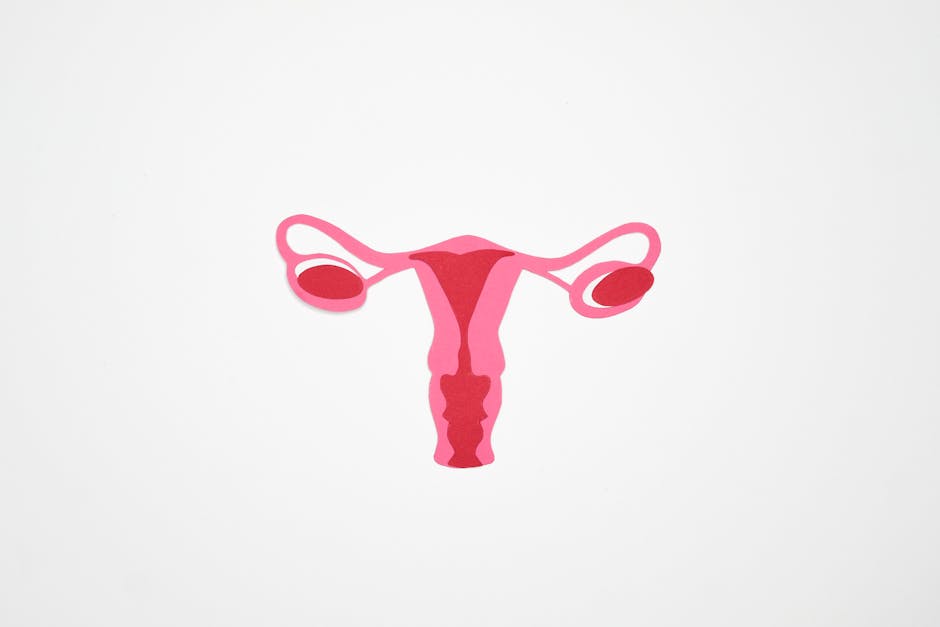
When couples dream of becoming parents, the focus often goes straight to sperm, eggs, and timing. What rarely comes into the conversation, but quietly shapes every chance of conception, is the ovarian follicle.
These tiny fluid-filled sacs inside the ovaries are not just storage containers. They are the starting point of life itself, responsible for carrying immature eggs, nourishing them as they grow, and eventually releasing them during ovulation. Without healthy follicles, there is no egg, no ovulation, and no pregnancy.
For many parents who feel lost in myths and uncertainty, understanding ovarian follicles is like lifting the curtain on how fertility really works.
It is the foundation that explains why some pregnancies happen easily, while others take time or need medical support.
What Are Ovarian Follicles?
Ovarian follicles are fluid-filled sacs in the ovaries, each holding an immature egg. Every month, under hormonal guidance, a group of these follicles begins to grow.
Usually, one follicle becomes dominant, matures, and eventually releases an egg in the process known as ovulation.
They do more than carry eggs. Follicles produce hormones like estrogen and progesterone, which prepare the uterus to host a pregnancy. Without healthy follicles, even the strongest sperm and perfect timing cannot result in conception.
The Follicular Cycle
The menstrual cycle is not just a monthly bleed; it is a carefully orchestrated process where follicles play the lead role. The first half of the cycle is called the follicular phase, and it is dedicated entirely to follicle growth and egg preparation.
Primordial Stage
A baby girl is born with about 1–2 million primordial follicles. By puberty, only 300,000–400,000 remain.
Recruitment
At the start of a cycle, the brain releases FSH (Follicle-Stimulating Hormone), which “recruits” a batch of follicles.
Dominant Follicle Selection
From the group, one follicle becomes dominant, while the rest stop growing.
Maturation
The dominant follicle grows to 18–25 mm and releases estrogen, thickening the uterus lining.
Ovulation
Triggered by an LH (Luteinizing Hormone) surge, the follicle bursts, releasing the egg into the fallopian tube.
Corpus Luteum Stage
The empty follicle produces progesterone, stabilizing the uterus for pregnancy.
This entire cycle repeats every month, providing one fresh chance at conception.
Follicle Count and Fertility
The number of follicles a woman has is called her ovarian reserve. This reserve naturally declines with age, but it plays a key role in fertility.
Here’s a quick overview:
| Age Group | Approximate Follicle Reserve | Fertility Impact |
| Teens–20s | High (hundreds of thousands) | Strong fertility, high egg quality |
| 30–35 | Moderate | Fertility is still good, but beginning to decline |
| 35–40 | Low to moderate | Decline becomes more noticeable |
| 40+ | Very low | Fewer eggs, lower quality, and natural conception is more difficult |
Doctors measure reserve through:
- AMH (Anti-Müllerian Hormone) blood tests.
- Antral Follicle Count (AFC) via ultrasound.
A higher count means more chances for ovulation and pregnancy, while a lower count explains why conception may take longer.
Follicle Quality: Not Just Quantity
Having many follicles does not always mean higher fertility. The quality of the eggs they hold is equally important.
- Healthy follicles produce strong eggs that can fertilize and grow into healthy embryos.
- Poor-quality follicles, even if numerous, may carry weak eggs that fail to fertilize or result in miscarriage.
This is why conditions like PCOS, where many follicles are present but often immature, still cause difficulties with conception.
Fertility Challenges Linked to Follicles
Several conditions can interfere with follicle health and function. Let’s look at the most common ones.
- Low Ovarian Reserve: Natural aging, genetics, or medical treatments can reduce follicle numbers, leading to fewer chances for conception.
- Poor Egg Quality: More common after 35; even with normal follicle numbers, the eggs may be weak or abnormal.
- Polycystic Ovary Syndrome (PCOS): Multiple follicles form but fail to mature, leading to irregular cycles or no ovulation.
- Premature Ovarian Insufficiency (POI): Follicles stop functioning before the age of 40, causing early fertility decline.
- Poor IVF Response: Some women do not respond well to stimulation medicines, producing fewer mature follicles than expected.
Each of these challenges can feel discouraging, but with early diagnosis and proper treatment, many couples still achieve pregnancy.
How Doctors Monitor Follicles
In fertility clinics, follicles are monitored closely with ultrasound scans and hormone tests. Doctors track follicle growth, check their size, and measure hormone levels to determine whether ovulation is approaching.
During treatments like IVF, this monitoring ensures that eggs are collected or insemination is timed perfectly. Follicles that reach around 18–22 mm are considered mature and ready to release eggs.
Supporting Follicle Health Naturally
While age and genetics cannot be changed, lifestyle does play a major role. Parents can take active steps to support follicle health:
- Eat a diet rich in vegetables, fruits, proteins, and whole grains.
- Take prenatal supplements such as folic acid, Vitamin D, and Omega-3.
- Maintain a healthy weight with regular exercise.
- Reduce smoking, caffeine, and alcohol.
- Manage stress with mindfulness, prayer, or relaxation techniques.
Even small improvements in daily habits can boost overall reproductive health.
Medical Treatments for Follicle Issues
When natural methods are not enough, doctors use medical options:
- Ovulation Induction: Medicines like Clomiphene or Letrozole stimulate follicles to release eggs.
- Injectable Hormones (Gonadotropins): Used in IVF to produce multiple follicles in one cycle.
- Egg Freezing: Preserves eggs from healthy follicles for future use.
- Donor Eggs: Recommended when follicle count or egg quality is very low.
Each treatment is chosen based on age, medical history, and test results.
Emotional Side of Follicle Challenges
Hearing that you have a low follicle count or poor-quality eggs can feel heavy. Couples often carry guilt or fear, but it is vital to remember that infertility is not one person’s “fault.” Fertility is shared, and modern medicine offers more hope than ever before. Support groups, counseling, and open conversations with doctors can help couples move forward with strength.
Conclusion
Ovarian follicles may be microscopic, but they hold the key to fertility and conception. They guide eggs to maturity, release hormones, and prepare the body for pregnancy. Their number and quality shape the chances of parenthood, while challenges such as PCOS, low reserve, or poor egg quality remind us of the importance of medical care and lifestyle choices.
For couples trying to conceive, knowledge of follicles is more than a medical detail. It is empowerment. It shows that fertility is not random, but a process with steps that can be understood, monitored, and supported. With healthy habits, early testing, and modern treatments, the dream of holding a child remains within reach.
FAQs
Q1: How many follicles are enough for pregnancy?
Even a single healthy follicle releasing a mature egg can result in natural conception. While multiple follicles may increase chances in treatments like IVF, one well-developed follicle is sufficient for pregnancy in normal cycles.
Q2: Can low follicle count be improved?
The number itself cannot increase, but existing follicles can be supported with treatments and healthy lifestyle choices.
Q3: Does PCOS always cause infertility?
No. With treatment and lifestyle management, many women with PCOS conceive successfully.
Q4: Should women check follicle health early?
Yes. After 30, if pregnancy takes longer than expected, tests like AMH and Antral Follicle Count help assess ovarian reserve. Early evaluation offers clarity, saves time, and guides timely treatment for better fertility outcomes.
Q5: Does stress block follicle growth?
Stress can disrupt hormones and cause irregular cycles, but it is rarely the sole reason for infertility. Most couples struggling to conceive have multiple underlying factors, so medical evaluation is essential alongside stress management.