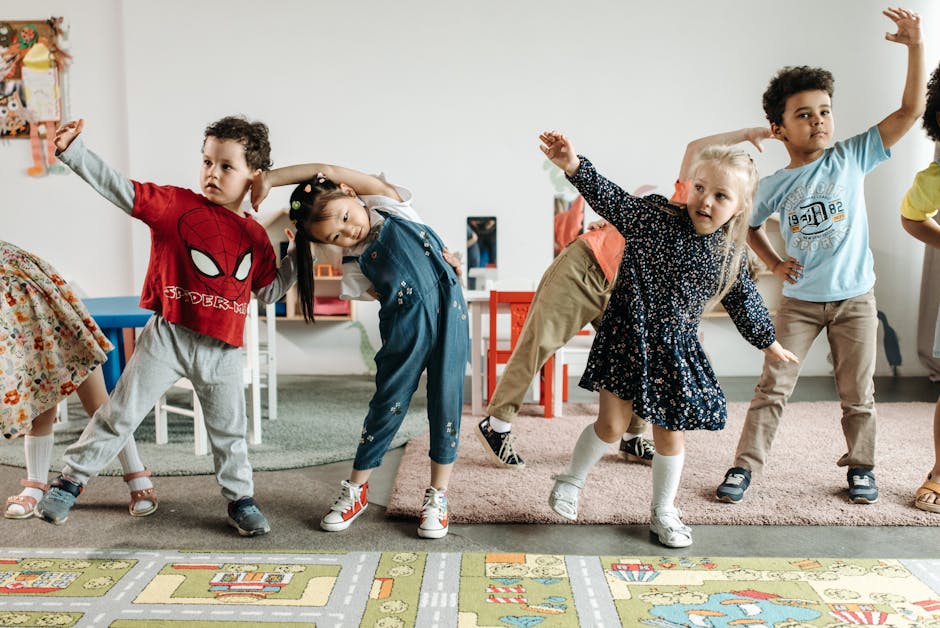
Indoor Fitness Games to Beat the Couch Syndrome
It’s easy to watch the day slip by while everyone lounges on the couch. Work, school, and household tasks often leave little energy for activity, and children naturally follow our example.
Yet, staying sedentary can affect both physical health and mood for the entire family. The good news is you can turn indoor time into a fun, engaging, and healthy experience for everyone.
Indoor fitness games provide a simple, effective way to get the whole family moving. They combine exercise, play, and connection, helping children develop coordination, strength, and endurance while giving parents a chance to model healthy habits.
You don’t need a gym, expensive equipment, or a lot of space. With creativity and a little planning, you can make an enjoyable part of daily family life.
Why Indoor Fitness Matters
Movement isn’t just for children; it benefits parents, too. Engaging in short, structured indoor activities:
- Helps reduce stress and tension.
- Improves cardiovascular and muscular health.
- Increases energy levels for daily tasks.
- Encourages children to develop healthy routines.
Fitness games work particularly well because they disguise exercise as play. Children often don’t realize they’re building strength or endurance while having fun.
Parents can use this approach to sneak in short bursts of activity, making moving feel like a natural part of the day rather than a chore.
Creative Indoor Fitness Games
Here are some indoor games parents can introduce to make fitness fun and engaging for the whole family:
1. Living Room Obstacle Course
Turn everyday items like pillows, chairs, and toys into an obstacle course. Children crawl under tables, jump over cushions, and weave around furniture.
Parents can participate alongside them, timing each run or creating relay races. This activity improves balance, agility, and coordination while encouraging friendly competition.
2. Balloon Volleyball
A simple balloon can turn into a game that everyone enjoys. Set up a string or sofa cushion as a makeshift net and try to keep the balloon from touching the floor.
Parents can modify the game by adding extra challenges, such as hitting the balloon with one hand or adding multiple balloons for older children. This game develops hand-eye coordination and promotes quick reflexes.
3. Freeze Dance
Play lively music and let everyone dance freely. When the music stops, participants must freeze in place. Holding a pose for several seconds strengthens balance and core muscles while boosting flexibility.
You can join in, making it a fun and silly experience that encourages laughter and movement at the same time.
4. Fitness Bingo
Create bingo cards featuring exercises such as squats, jumping jacks, lunges, or stretches. Each time a child completes an activity, they mark the square.
Celebrate small victories when someone completes a row. This game encourages children to complete exercises without feeling forced while adding a sense of achievement.
5. Indoor Scavenger Hunt
Hide small objects around the house and provide clues to find them. Include short exercises as challenges at each stop, like ten jumping jacks or a one-minute plank.
This approach encourages problem-solving, curiosity, and physical activity all at once. Parents can modify exercises to suit the child’s age or fitness level.
6. Sock Slide Races
Have everyone wear socks and slide across a hardwood or tile floor. Create lanes using tape or cushions to define boundaries and track distance.
This simple activity improves leg strength, coordination, and balance, and adds a dose of friendly competition. Parents can participate, making it a shared moment of fun and exercise.
7. Animal Movement Relay
Assign each participant an animal to mimic, bear crawls, frog jumps, crab walks, or kangaroo hops. Move from one end of the room to another. Children love copying animal movements, and it’s excellent for muscle development, flexibility, and cardiovascular health.
Benefits Beyond Physical Fitness
Indoor fitness games offer benefits beyond movement. They:
- Reduce stress and improve mood for both parents and children.
- Strengthen family bonds and provide shared experiences.
- Teach children important life skills such as teamwork, persistence, and patience.
- Encourage healthy habits that will carry into adulthood.
Parents often find that even five to ten minutes of daily play improves energy levels and overall well-being. These activities provide an opportunity to teach children that staying active is enjoyable rather than a chore.
Tips for Making Indoor Fitness Effective
- Create Safe Spaces: Clear furniture and sharp objects to prevent injuries.
- Keep Sessions Short and Frequent: Aim for 20 to 30 minutes daily, broken into shorter sessions if needed.
- Use Music and Timers: Make activities lively and engaging.
- Rotate Games: Introduce new games regularly to maintain interest.
- Encourage Participation: Celebrate effort, not just performance.
- Adjust Activities for Age: Modify exercises to ensure everyone can safely participate.
Incorporating Games into Daily Life
Parents can set a predictable schedule for indoor fitness, such as after school, before dinner, or in the evening. Creating a routine helps children understand that movement is part of normal daily life.
Engage older children in designing or leading activities. This approach gives them a sense of responsibility and ownership, making them more enthusiastic participants. By modeling active behavior, parents teach children that exercise is not optional but a fun and necessary part of life.
Conclusion
Indoor fitness games provide a practical solution to couch syndrome. They encourage movement, laughter, and family bonding while teaching children healthy habits.
By turning living spaces into playful exercise zones, parents can ensure children stay active even when outdoor activity isn’t possible. Small steps, consistency, and creativity are enough to make fitness fun and sustainable.
Incorporating indoor fitness into your daily routine boosts energy, strengthens relationships, and fosters lifelong healthy habits. It’s never too late to start, and the results extend beyond physical fitness. Families who play together grow stronger, healthier, and happier.
Frequently Asked Questions
How long should indoor fitness sessions last?
Even 20 to 30 minutes daily can make a difference. Shorter bursts of five to ten minutes spread throughout the day also contribute to overall activity levels and help maintain energy and focus.
Can these games replace outdoor activity?
Indoor fitness complements outdoor play rather than replacing it. Outdoor activities provide sunlight, fresh air, and varied movement patterns that indoor games cannot fully replicate. Both are important for balanced development.
What equipment is required?
Most activities need minimal equipment. Pillows, balloons, string, mats, and small toys are sufficient. Creativity often matters more than expensive gear, making these games accessible to every family.
Are indoor fitness games suitable for all ages?
Yes. Exercises can be modified to suit younger or older children. Parents can adjust intensity, duration, and complexity based on participants’ age and ability to ensure everyone benefits safely.
How can I motivate my children to participate
Use fun challenges, timers, music, and rewards to keep engagement high. Celebrate progress, encourage friendly competition, and involve children in creating games. Variety prevents boredom and promotes sustained interest.