Category: Parenting Styles

The Power of Praise: How to Boost Positive Behavior in Children

Every child has the potential to shine, but it’s the nurturing and guidance they receive that often brings their best qualities to light. One of the most effective ways for shaping a child’s behavior is praise. When used thoughtfully, it can reinforce good habits, build confidence, and help children develop a sense of pride in their actions. 

However, praise is not just about telling your child good job for every little thing; it’s about being mindful of how, when, and why you praise. This blog explores how you can use praise to positively influence your child’s behavior, fostering a positive environment for both learning and emotional growth.

Understanding the Role of Praise in Positive Behavior

Praise is more than just a pat on the back; it’s a form of reinforcement that encourages repetition of good behavior. 

When children feel recognized for their efforts, they are more likely to continue acting in ways that are valued and appreciated. But what makes praise effective, and why does it matter?

The Key to Effective Praise

  • Acknowledge Effort Over Outcomes: It’s easy to praise your child for winning a race or getting an A in a subject, but praising them for the effort, dedication, and perseverance they put in is what truly motivates them. It builds a mindset of growth, where effort is seen as the path to success.
  • Praise Builds Self-Worth: When children are praised appropriately, it reinforces their belief in their abilities. This creates a strong sense of self-worth and helps them understand that they are capable of achieving whatever they set their minds to.
  • Praise Encourages Positive Behavior: Whether it’s for sharing, being polite, or staying focused, specific praise highlights positive behaviors. This encourages your child to continue those actions, knowing they will be recognized and appreciated.

Types of Praise: What Works and What Doesn’t

Not all praise is created equal. Some types of praise can actually undermine your child’s confidence or lead to unhealthy behavior. Here’s a breakdown of the kinds of praise to focus on and what to avoid.

Effective Praise

Effort-Based Praise 

Focus on your child’s hard work, dedication, and the process rather than the result. For example, instead of just saying Great job on your homework, try I can see you worked really hard on your math problems today. Keep it up!

Behavior-Specific Prais

Instead of vague praise like Good job, be specific about what exactly your child did well. This makes the praise more meaningful and helps them understand exactly what behavior to repeat. For instance, “I really appreciate how you helped your brother clean up after playing.”

Praise for Personal Growth

Acknowledge changes in behavior, whether it’s becoming more independent, more patient, or more helpful. This kind of praise reinforces that their personal growth is recognized.

Praise to Avoid

Overgeneralized Praise

Complimenting your child with generic terms like You’re so smart or You’re the best can be counterproductive. This might make them feel pressure to always succeed and avoid failure at all costs. Instead, focus on praising effort and progress.

Praise for Every Little Thing

If your child is praised for every small action, it may lose its meaning and make them expect constant validation. Save praise for moments that truly deserve it.

Balancing Praise with Constructive Criticism

Praise can be incredibly motivating, but it’s equally important to balance it with constructive feedback. This ensures that your child knows how to improve and learn from their mistakes, without losing their confidence.

How to Incorporate Constructive Criticism

Use Feedback to Encourage Growth

Rather than focusing on what went wrong, offer suggestions for how your child can improve. For example, if they’ve struggled with reading, say, You’re doing a great job sounding out those words. Let’s work on the longer words together next time.”

Avoid Punishment for Mistakes

Praise your child’s efforts even when they don’t succeed. Mistakes are part of the learning process, and offering support instead of criticism builds resilience and confidence.

The Impact of Praise on Emotional Development

Praise also plays a significant role in your child’s emotional development. When children feel praised for their efforts, they experience a sense of accomplishment, which fosters positive emotional growth.

How Praise Supports Emotional Development

Boosts Confidence and Self-Esteem

Children who are consistently praised for their efforts feel more confident in their abilities. This leads to increased self-esteem and the courage to try new things, knowing they can handle challenges.

Encourages Emotional Regulation

By receiving praise for managing their emotions (e.g., staying calm when frustrated), children learn how to better regulate their feelings and cope with difficult situations.

Strengthens Parent-Child Relationships

Praise fosters a sense of warmth and connection between you and your child. They feel valued, loved, and supported, which strengthens your bond.

How to Praise in Everyday Life

Now that we’ve discussed the importance and types of praise, it’s time to focus on how you can incorporate it into your everyday routine.

Simple Ways to Praise

Praise small victories

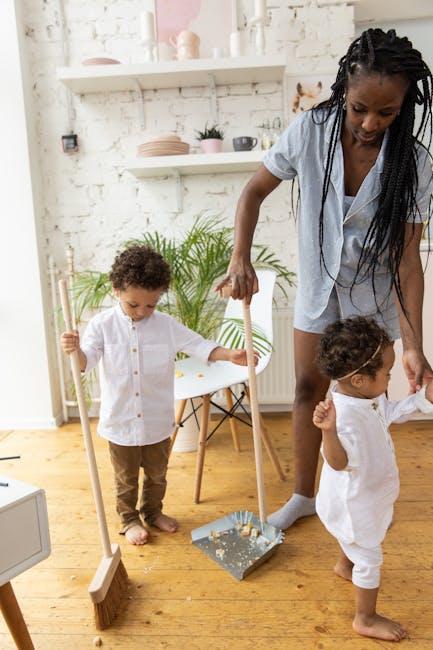
Do they help in making the bed or helping with household chores? Acknowledge these little things. This reinforces positive habits.

Praise your child’s character.

Compliment qualities like kindness, perseverance, and responsibility. For example, I really like how you helped your friend when they were feeling sad.

Celebrate effort, not just results

If your child is working hard on something, even if they don’t finish it perfectly, praise their commitment. This helps them feel proud of their efforts, not just the outcome.

Conclusion

Praise is a powerful tool in shaping your child’s behavior, boosting their self-esteem, and building a positive parent-child relationship. By focusing on effort, being specific, and balancing praise with constructive feedback, you can create an environment where your child feels valued, understood, and motivated to continue learning and growing. 

FAQs

1. What’s the difference between praise and over-praise?

Praise focuses on acknowledging effort and growth, while over-praise involves excessive compliments that can lead to pressure and unrealistic expectations. Focus on praising effort rather than innate qualities.

2. How can I praise my child without making them dependent on it?

Praise effort, not just outcomes. Encourage self-reflection and independence by focusing on growth and perseverance, rather than constantly needing validation.

3. What should I do if my child doesn’t respond well to praise?

Some children may feel uncomfortable with praise. Try adjusting your approach—be specific and focus on behaviors rather than general compliments. It’s important to ensure the praise feels genuine.

4. How do I encourage my child to continue a challenging task?

Offer praise for their persistence and effort, and help them see progress. For example, “You’ve been working hard, and I can see improvement in how you’re handling the task!”

5. Can praise help with behavioral challenges?

Yes! Positive reinforcement for good behavior encourages repetition. Focus on acknowledging positive behaviors and efforts to encourage more of the same while balancing with gentle correction when needed.


How to Stay Calm During Stressful Parenting Moments

Parenting can feel like a whirlwind at times. One minute, you’re enjoying a quiet afternoon, and the next, you’re navigating a tantrum, a spilled drink, or an unexpected meltdown. For many parents, these moments of stress can feel overwhelming. 

But here’s the thing: how you respond in these moments plays a huge role in shaping your child’s emotional well-being and your relationship with them. 

You don’t have to be perfect. Staying calm doesn’t mean you have to have all the answers or solve every problem immediately. It’s about responding in a way that teaches your child how to navigate emotions with resilience, while also preserving your own peace of mind. 

Recognizing Stress Before It Takes Over

We all know the feeling: your child is misbehaving, you’re exhausted, and it feels like everything is spiraling out of control. But, often, stress doesn’t appear out of nowhere. 

It builds up gradually. The first step in staying calm is to recognize the signs of stress early, so you can intervene before you feel completely overwhelmed.

Key Signs to Watch For

  • Physical tension: Are you clenching your jaw or fists? Are your shoulders tense? Physical signs of stress often appear before we even realize it mentally.
  • Irritation or frustration: Do you find yourself becoming easily irritated, snapping at your child over small things? This could be a sign that stress is creeping in.
  • Mental overload: Are you starting to feel like you can’t handle everything? When your mind starts racing with thoughts and worries, it can be a sign that you need to pause and regain focus.

How to Manage

  • Pause and breathe: Take a moment to step back, even if it’s just for a few seconds. Deep breaths help regulate your nervous system and give you time to gather your thoughts.
  • Check in with yourself: Ask, “How am I really feeling right now?” Acknowledging your stress can give you a sense of control and prevent you from reacting impulsively.

Finding the Pause Button

One of the most effective ways to stay calm is to give yourself a literal and figurative break. In a stressful moment, you might feel like you need to address the issue immediately. But sometimes, stepping away for a moment can help you respond more thoughtfully.

  • Take a short break: If possible, remove yourself from the situation for a minute or two. Whether it’s stepping into another room or just taking a deep breath, this moment can help you reset.
  • Have a ‘timeout’ strategy: Teach your child that both of you can take a pause when things are escalating. For example, “Let’s both take a deep breath before we talk about this.”
  • Release physical tension: Stand tall and stretch your body to release any built-up tension. Simple stretches or even a quick walk can help you regain your composure.

When you step away briefly, you prevent your emotions from taking control. This moment of calm gives you a chance to think more clearly, which helps you handle the situation in a measured way.

Reframe the Situation

In the heat of the moment, it’s easy to focus on the frustration or the negative aspect of the situation. 

However, reframing the situation can help you approach it with a clearer, more positive mindset. It’s about shifting from a reactive mindset to a proactive one.

  • Ask questions: Instead of focusing on your child’s behavior, ask yourself, “What’s really going on here? What does my child need right now?”
  • View challenges as opportunities: Every stressful moment is an opportunity for both you and your child to learn. Consider how you can model calmness or teach problem-solving.
  • Focus on the big picture: Remind yourself that this moment is temporary. Your child is still learning, and you’re guiding them through the process.

When you reframe a situation, you break free from the cycle of frustration. By seeing the situation as an opportunity for growth, you can handle it more calmly and thoughtfully, setting a positive example for your child.

The Power of Self-Talk

The way we talk to ourselves during stressful moments greatly influences how we react. Negative self-talk can escalate frustration, while positive, constructive self-talk can help you stay focused and calm.

  • Replace negative thoughts with positive ones: If you find yourself thinking, “I can’t handle this,” change it to “I’m doing the best I can, and I’ll get through this.”
  • Acknowledge your efforts: Remind yourself of the effort you’re putting in as a parent. It’s okay if things don’t go perfectly.
  • Use calming phrases: Repeating calming phrases like “This will pass” or “I’m in control of my response” can help soothe your mind and emotions.

Your inner dialogue directly impacts how you feel and behave. You create a calm, positive mindset by consciously choosing supportive thoughts, which helps you handle stressful parenting moments more effectively.

Creating Consistent Routines

When children feel secure in their environment, they’re less likely to act out, and you’re less likely to feel overwhelmed. One of the best ways to reduce stress is by establishing consistent routines that make everyone feel more grounded.

  • Set up a daily schedule: Structure your day so that there’s a clear rhythm—mealtimes, nap times, playtime, and bedtime all follow a predictable order. This reduces stress by making the day more manageable.
  • Prepare your child for transitions: Give your child a heads-up when a transition is coming. For example, “In five minutes, it will be time to clean up and get ready for bed.”
  • Stick to regular routines: While life can be unpredictable, having a routine provides a sense of stability. This predictability helps both you and your child manage expectations and reduces anxiety.

Routines create a sense of security and predictability, which reduces stress for both you and your child. The more predictable the environment, the more easily everyone adapts, even when things don’t go perfectly.

Building a Network of Supportive Relationships

Parenting is hard, and it’s okay to ask for help when you need it. Building a network of supportive relationships, whether with your partner, friends, family, or even other parents, can alleviate stress and provide emotional support during tough times.

  • Talk to someone you trust: Share your feelings with a supportive friend, family member, or partner. Sometimes, simply voicing your frustrations can help you release built-up tension.
  • Join parenting groups: Online or in-person groups can offer advice and validation. Connecting with other parents who are going through similar experiences can help you feel less isolated.
  • Seek professional support: If parenting stress becomes overwhelming, consider speaking with a counselor or therapist who can provide strategies for coping with stress.

Having a strong support system helps you feel less alone and more equipped to manage parenting stress. By sharing experiences and seeking advice, you can gain perspective and emotional relief.

Conclusion

Parenting will always come with its challenges, but learning to stay calm in stressful moments is incredibly valuable. You have to recognize the signs of stress early, stepping back when needed, shifting your perspective, and practicing positive self-talk. 

You can regain control in difficult situations. Creating routines and building a support network will also help you feel more grounded and confident as a parent. 

FAQs

1. What should I do if I feel like I’m about to lose control?

Pause for a moment, take deep breaths, and give yourself space to calm down. A brief timeout helps reset your emotions.

2. How can I stay calm when my child is misbehaving in public?

Take a deep breath, remain calm, and address the behavior with clear, firm but loving boundaries. Consider stepping aside briefly to handle the situation privately.

3. How can I build a stronger routine to manage stress?

Create a consistent daily schedule with predictable mealtimes, nap times, and bedtimes. This helps reduce anxiety and makes the day flow more smoothly.

4. When should I ask for help with parenting stress?

If you feel overwhelmed or unable to cope, reach out to a trusted friend, family member, or professional for support. You don’t have to handle it alone.

5. How can I avoid becoming too stressed with parenting?

Practice self-care, set realistic expectations, and don’t hesitate to ask for help when you need it. Remember, taking care of yourself is just as important as caring for your child.

The Role of Empathy in Parenting: Teaching Your Child to Understand and Feel

One of the most profound gifts a parent can give their children is the ability to understand and express empathy. Empathy, the ability to recognize, understand, and share the feelings of others, plays a crucial role in emotional and social development. 

While it’s natural for children to be focused on themselves, teaching them empathy can help them build meaningful relationships, manage their emotions, and navigate the complexities of social interactions. 

By nurturing empathy, you’re setting the foundation for them to become compassionate and emotionally intelligent individuals.

1. What is Empathy and Why Does it Matter?

Before diving into how to teach empathy, it’s important to understand what it is and why it matters. Empathy isn’t just about feeling sorry for someone; it’s about understanding their perspective and being able to share their emotions. Empathy helps children connect with others, avoid bullying, and resolve conflicts in healthy ways. It’s also linked to higher emotional intelligence, which leads to better mental health, social skills, and overall well-being.

Develops emotional intelligence

Empathetic children are better able to identify and express their emotions, which helps them manage their feelings in challenging situations.

Improves social skills

By understanding others’ feelings, children learn how to interact more effectively with peers and adults, building stronger, more positive relationships.

Fosters kindness

Empathy encourages kindness and compassion, helping children grow into caring and responsible individuals.

2. Actions Speak Louder Than Words

Children learn best by observing the actions of those around them, especially their parents. By modeling empathetic behavior, you provide your child with a live example of how to interact with others with kindness and understanding.

Express your emotions openly

Share your feelings with your child, especially when they’re related to the situation at hand. For example, “I feel sad when I see someone being treated unfairly,” helps children understand the connection between emotions and actions.

Show kindness to others

Whether it’s helping a neighbor, comforting a friend, or being patient with a store clerk, your child learns empathy by watching you interact with others respectfully and compassionately.

Acknowledge others’ feelings

When your child sees you acknowledging other people’s feelings. Saying something like, “It seems like you’re feeling frustrated. How can I help?”, they learn to do the same.

Children are like sponges, absorbing everything they see and hear. When you demonstrate empathy, you show them how to put themselves in someone else’s shoes. You set a powerful example for them to follow in their own behavior.

3. Encouraging Perspective-Taking

One key aspect of empathy is being able to understand someone else’s perspective. Helping children see situations from another person’s point of view teaches them how to respond with care and understanding.

Discuss emotions

When your child is upset or when they witness someone else feeling hurt, take time to talk about it. Ask open-ended questions like, How do you think they feel? Or what could we do to help?

Use stories or books

Books are a great way to introduce the concept of perspective-taking. Reading stories where characters experience various emotions allows your child to empathize with fictional characters, which can translate to real-life situations.

Use role-play

Encourage your child to act out different scenarios where they step into someone else’s shoes. For example, pretend to be a friend who is upset and ask your child how they would respond.

Perspective-taking helps children recognize that other people’s feelings and experiences may differ from their own. This awareness builds empathy and improves their social interactions.

4. Validating Your Child’s Emotions

Empathy starts with understanding and validating your child’s own feelings. When children feel that their emotions are heard and respected, they’re more likely to be empathetic toward others.

Listen actively

When your child shares their feelings, listen without interrupting or dismissing them. Show that you’re paying attention with eye contact and body language.

Acknowledge their feelings

Rather than minimizing their emotions, say things like, I understand you feel upset because you lost your toy, or It’s okay to feel frustrated when things don’t go as planned.

Normalize their feelings

Let your child know that it’s normal to feel a wide range of emotions. Reassure them that it’s okay to express their feelings and that you are there to help them work through them.

Validating your child’s emotions teaches them that it’s safe to express how they feel. This encourages emotional honesty, which is the foundation of empathetic behavior.

5. Teaching Empathy Through Helping Others

One of the best ways to nurture empathy in children is by encouraging them to help others. When children are involved in acts of kindness or giving, they learn firsthand the impact their actions can have on others.

Volunteer together

Take your child to a local charity event, food bank, or community clean-up. Let them see how helping others can make a difference.

Encourage small acts of kindness

Help your child understand how simple acts, like sharing toys, helping a friend, or comforting a sibling, can show empathy.

Incorporate empathy into daily life

Discuss ways your child can show kindness, such as helping a classmate who is struggling or comforting a pet when it’s scared.

When children help others, they experience the emotional rewards of kindness. They also understand the importance of being considerate and helpful, reinforcing empathy as an everyday practice.

6. Using Mistakes as Learning Opportunities

Children are bound to make mistakes, and these moments must be used as opportunities to teach empathy and emotional growth.

Discuss the consequences of their actions

If your child hurts someone, whether physically or emotionally, gently explain how their actions affected the other person.

Encourage apology and reflection

Teach your child how to apologize sincerely and reflect on what they could do differently next time.

Guide them toward solutions

Help your child understand how to make things right and encourage them to find ways to repair any harm they caused.

Mistakes are inevitable, but they provide valuable teaching moments. Helping your child learn how to empathize with others when things go wrong helps them become more aware of their actions and their impact on the people around them.

Conclusion

Teaching empathy is one of the most valuable gifts you can give your child. It’s not just about helping them understand and manage their own emotions, but also about encouraging them to connect with others in meaningful ways.

With patience and guidance, your child will grow up not only understanding others’ feelings but also learning to act with compassion, kindness, and respect.

FAQs

1. How do I teach empathy to a child who is emotionally withdrawn?

Start by validating their feelings and gently guiding them to recognize others’ emotions. Use stories or role-playing to help them understand different perspectives.

2. Can empathy be taught to children who are already teens?

Yes, it’s never too late. Encourage open conversations about feelings, model empathetic behavior, and discuss real-life scenarios where empathy makes a difference.

3. How can I teach empathy without forcing it?

Lead by example. Show empathy in your own actions, and give your child opportunities to practice through daily life. Let them discover the value of empathy naturally.

4. What’s the best age to start teaching empathy?

Start early, but it’s never too late. Begin with simple concepts around 2-3 years old, and deepen the conversation as your child grows.

5. How do I help my child manage their own emotions before focusing on others’ feelings?

Teach emotional regulation through activities like deep breathing or journaling. Once your child feels confident managing their emotions, they’ll be better able to empathize with others.

The Influence of Family Structure on Parenting in Pakistan

In Pakistan, family is the cornerstone of society. It shapes everything from daily routines to long-term values and beliefs, particularly in the realm of parenting. In many households, the family structure plays a significant role in shaping how children are raised, how discipline is managed, and how emotional and social needs are met. 

Unlike some Western cultures, where the nuclear family is the norm, Pakistani families often include extended family members, such as grandparents, uncles, aunts, and cousins, living together or in proximity. 

This extended family structure influences parenting in unique and profound ways. In this blog, we’ll explore how the family structure in Pakistan impacts parenting, from the role of elders to the division of responsibilities, and how this affects children’s upbringing.

1. The Role of Extended Family in Parenting

The extended family in Pakistan is not just a network of relatives; it is an integral part of the daily lives of children. Parents often rely on the help of grandparents, aunts, uncles, and older siblings to raise their children. This collective approach to parenting influences how children develop their sense of belonging, social skills, and respect for authority.

  • Grandparents as Caregivers: In many households, grandparents play a vital role in caring for young children. Their involvement can provide emotional stability, while also imparting traditional wisdom and cultural values.
  • Aunts and Uncles as Mentors: Aunts and uncles often act as second parental figures, providing guidance and support in ways that differ from that of the biological parents. Their influence helps children feel supported by a broader family network.
  • Shared Responsibility: In joint families, the responsibility of raising children is shared, which can reduce stress on individual parents and offer children a wider circle of affection and care.

This collective approach fosters a strong sense of family unity and support, making children feel loved and cared for by a broader community. 

It also teaches the importance of respecting elders and understanding family roles, which are deeply ingrained in Pakistani culture.

2. The Influence of Hierarchical Family Structures

Pakistani families often follow a hierarchical structure where elders, especially fathers and grandparents, hold significant authority. This hierarchy greatly influences how children are disciplined and taught about respect, responsibility, and authority. The respect for elders is deeply rooted in Pakistani culture, and it shapes how children interact with authority figures.

  • Role of Fathers and Grandfathers: In many families, fathers are the primary authority figures. Their role as decision-makers often extends to the entire household. Similarly, grandfathers hold great influence, especially in joint families, where their opinions are highly respected.
  • Discipline and Boundaries: Children are often raised with a strong sense of respect for authority, learning to adhere to rules and traditions set by their elders. Punishments can sometimes be strict, but they are generally delivered with the intent of teaching respect and responsibility.
  • The Influence of Elder Siblings: In many cases, older siblings take on responsibilities as secondary authority figures, helping care for younger siblings and ensuring they adhere to family rules.

The hierarchical nature of Pakistani families ensures that children grow up understanding the importance of respect for authority, family, and tradition. 

While this can be beneficial for instilling discipline, it can also lead to challenges in developing independence and assertiveness in children, which is something modern parenting styles are working to balance.

3. Impact on Gender Roles and Parenting

In Pakistani culture, traditional gender roles are often reinforced within the family structure, influencing how parenting is approached. Fathers typically hold the financial and authoritative responsibilities, while mothers are often seen as the caregivers, responsible for the emotional and daily care of the children. These roles can influence how children perceive gender roles as they grow up.

  • Mother’s Role in Nurturing: In traditional families, mothers are expected to provide emotional nurturing and take care of day-to-day parenting tasks, including feeding, bathing, and comforting the children. This role can impact the mother’s influence in shaping the child’s emotional development.
  • Father’s Role as Authority: Fathers, while often less involved in day-to-day caregiving, are seen as the authority figures who enforce discipline and make important decisions. Their involvement typically focuses on guiding children on issues like education, career choices, and social conduct.
  • Role of Sons and Daughters: Boys are often taught to be independent and take on leadership roles within the family, while girls may be encouraged to focus on domestic responsibilities. These expectations shape how children develop their identities and understand their future roles in society.

While these traditional roles can offer stability, they can also limit children’s views on gender equality. 

Encouraging a more balanced sharing of responsibilities between parents, and promoting the idea that both fathers and mothers contribute equally to both emotional and practical aspects of parenting. It can help break down these gendered expectations.

4. Family Support Systems and Their Role in Child Development

Pakistani families place great emphasis on the importance of family support in raising children. This support system extends beyond the parents and includes extended family members who actively participate in the child’s development. This creates a strong support network that offers both emotional and practical assistance.

  • Shared Childcare: In joint families, parents can rely on grandparents and other relatives for help with childcare, which can make balancing work and parenting easier. This shared responsibility can provide children with a broader support network and increase their sense of security.
  • Educational Support: Grandparents and uncles often play a role in guiding children academically. Many children in Pakistani families benefit from additional tutoring or help with schoolwork from their extended family members.
  • Social and Emotional Guidance: The extended family network provides diverse perspectives on social issues, from resolving conflicts to building strong relationships. This emotional guidance helps children develop social skills and resilience.

The extended family’s involvement in child development provides children with a strong sense of security, knowing that there are multiple sources of love and support in their lives. 

This network also helps children become more socially adept, fostering a greater sense of belonging within their community.

5. Balancing Tradition with Modern Parenting Approaches

As Pakistani society continues to modernize, many families are adapting traditional parenting practices to accommodate contemporary ideas about child development. Parents are increasingly aware of the need to balance respect for cultural traditions with the desire to raise well-rounded, emotionally intelligent children who are capable of navigating the modern world.

  • Emphasis on Education: While traditional families placed a heavy emphasis on academic success, modern Pakistani parents are placing a greater focus on holistic development, including emotional well-being, social skills, and self-expression.
  • Open Communication: In contrast to more authoritative traditional parenting styles, modern Pakistani families encourage open dialogue between parents and children. This allows children to express their thoughts and feelings, fostering trust and a stronger bond with their parents.
  • Incorporating Global Ideas: Many Pakistani parents are integrating practices from Western parenting approaches, such as positive reinforcement and collaborative decision-making, while still maintaining respect for cultural values and family dynamics.

Balancing traditional practices with modern parenting approaches allows Pakistani families to retain the benefits of cultural heritage. While also embracing progressive ideas that support their children’s emotional and intellectual growth. 

This creates an environment where children can thrive in both their cultural and global contexts.

Conclusion

The family structure in Pakistan is a deeply woven fabric of tradition, respect, and connection. Parents rely on a network of extended family members to help raise children, and the cultural emphasis on respect for elders and family unity shapes the way children are raised.

While these traditional practices are essential in fostering a strong sense of community and belonging, integrating modern parenting methods can help create a more balanced, emotionally supportive environment for children.

FAQs

1. How does the extended family contribute to parenting in Pakistan?

In Pakistan, extended family members, especially grandparents, aunts, and uncles, often help with childcare, emotional support, and even educational guidance, creating a strong network of support for both parents and children.

2. How do gender roles affect parenting in Pakistani culture?

Traditional gender roles often place mothers as the primary caregivers and fathers as the authority figures. While these roles provide stability, modern parenting encourages more shared responsibilities between parents, regardless of gender.

3. What are the benefits of joint families for child development?

The joint family structure provides children with a broader support system, offering emotional and practical guidance. Children benefit from stronger bonds with extended family, and the collective approach to caregiving ensures a stable and supportive environment.

4. How can modern parenting practices fit into traditional Pakistani families?

Modern parenting practices, such as positive reinforcement and open communication, can be integrated into traditional families by balancing respect for elders with encouraging self-expression and emotional support for children.

5. What is the role of family traditions in shaping a child’s values in Pakistan?

Family traditions play a significant role in teaching children respect, responsibility, and community values. These values are passed down through generations, ensuring that children grow up with a strong sense of cultural identity and belonging.

Encouraging Your Child’s Independence Without Losing Control

As children grow, one milestones in their development is learning to become independent. For you, it can be both exciting and challenging to encourage your child to take on more responsibility. 

While you want them to learn new skills, make decisions, and solve problems on their own, it’s equally important to maintain control and ensure they are making responsible choices. 

Striking the balance between giving your child independence and maintaining necessary boundaries is key to helping them grow confidently while ensuring their safety. 

1. Set Clear Expectations and Boundaries

Encouraging independence doesn’t mean giving up control completely. Instead, it involves setting clear expectations and maintaining boundaries while allowing your child the space to make their own decisions within those limits. 

This approach ensures that they have the freedom to explore and learn, but within a safe and structured environment.

  • Communicate expectations clearly: Let your child know exactly what is expected of them in different situations.
  • Set boundaries: While fostering independence, make sure you still set non-negotiable rules. These could be safety rules, such as wearing a helmet while biking, or limits on screen time.
  • Explain why the rules matter: Help your child understand the purpose behind the boundaries you set. This makes them more likely to respect those boundaries and feel empowered to make decisions within them.

By clearly defining expectations and rules, you ensure your child has the freedom to explore while knowing there are still guidelines in place to keep them safe and on track.

2. Encourage Decision-Making from an Early Age

One of the best ways to build your child’s independence is to allow them to make decisions. You can start with small, everyday choices. 

This not only helps them feel more in control, but it also teaches responsibility and consequences.

  • Offer choices: Let your child choose what they want to wear, what to have for lunch, or which activity they’d like to do. These small decisions empower them to think for themselves.
  • Allow them to face consequences: If they make a decision that leads to a negative outcome, gently help them understand the result. For instance, if they choose not to pack their bag for school, they may forget something important, and this provides a valuable learning experience.
  • Be supportive but not controlling: While your child makes decisions, be there to support them and provide guidance when needed. Avoid stepping in to make choices for them unless absolutely necessary.

Giving your child the power to make decisions builds confidence, strengthens problem-solving skills, and prepares them for more significant decisions in the future. The goal is to help them feel capable without overwhelming them.

3. Provide Opportunities for Responsibility

Another way to encourage independence is by assigning age-appropriate responsibilities. These tasks can help your child feel more competent and teach them about accountability.

  • Assign chores: Encourage your child to take on simple chores, like setting the table, feeding pets, or organizing their room. Gradually increase their responsibilities as they get older.
  • Give them a role in family decisions: Involve your child in planning family activities or making decisions about daily routines. Let them help choose what to have for dinner or what game to play together.
  • Be consistent: Ensure that responsibilities are consistent, and your child knows they have a role to play in the family dynamic.

Having regular responsibilities teaches your child valuable life skills, including time management, organization, and accountability. It also gives them a sense of ownership, which builds their self-esteem and sense of purpose.

4. Promote Problem-Solving Skills

Children naturally want to find solutions to problems. Encouraging them to solve challenges independently teaches critical thinking and decision-making, two essential life skills.”

  • Encourage trial and error: Let your child make mistakes. If they try something and it doesn’t work, encourage them to think of another way to approach the problem. The process of trial and error is a powerful way for them to learn.
  • Support their efforts: Offer encouragement and praise for their efforts in problem-solving, even if they don’t come up with the perfect solution.

Problem-solving skills are essential for independent living. By giving your child the tools to think through challenges, you are building their confidence and preparing them for life’s obstacles.

5. Model Independence and Self-Reliance

Children learn best by observing their parents. If you want to encourage your child to become more independent, it’s important to model those behaviors yourself. Show your child how to make decisions, solve problems, and manage responsibilities.

  • Demonstrate decision-making: Let your child see how you make decisions, both big and small, calmly and thoughtfully. Discuss your reasoning behind choices, and show how you handle challenges and setbacks.
  • Handle responsibilities confidently: Show your child how you manage your own responsibilities, whether it’s at work, home, or with your personal goals.
  • Encourage your own self-reliance: Don’t hesitate to let your child see you managing tasks independently, whether it’s cooking a meal, organizing your schedule, or fixing something around the house.

Children often model their behavior after their parents. By demonstrating independence and self-reliance, you show your child that these qualities are valuable and achievable, which encourages them to adopt similar habits.

6. Give Constructive Feedback and Praise Effort

When your child shows initiative or tries something on their own, provide positive reinforcement. Praise their efforts, even if they haven’t fully succeeded. This helps them feel encouraged to keep trying and learning.

  • Provide constructive feedback: If something didn’t go as planned, offer gentle guidance on how they can improve next time. This helps your child understand the value of learning from mistakes.
  • Celebrate small victories: Whether it’s completing a task independently or making a decision, celebrate these moments with enthusiasm to reinforce their growing confidence.

Positive feedback boosts your child’s self-esteem and motivates them to keep trying. It also encourages them to focus on the process of learning, not just the outcome.

Conclusion

Encouraging your child’s independence doesn’t mean giving them free rein without guidance. It’s about striking the right balance. Allowing them to make choices and take responsibility while still providing the necessary structure and support.

Independence is a journey, and every small step counts. With patience, consistency, and a little encouragement, you’ll empower your child to become a confident, responsible individual ready to face the world.

FAQs

1. How do I know if my child is ready for more independence?

Watch for signs of curiosity, responsibility, and an interest in making decisions. Start with small tasks and gradually increase their level of independence as they show readiness.

2. How do I handle my child making mistakes while trying to be independent?

Mistakes are part of the learning process. Encourage your child to reflect on what went wrong and guide them to think of solutions for next time. Always offer praise for trying.

3. What if my child resists taking on more responsibilities?

Encourage small, manageable tasks that build confidence. If your child resists, try discussing their feelings and offering choices to make them feel more in control.

4. How do I maintain control while giving my child more independence?

Set clear boundaries and expectations. While you allow your child to make decisions, ensure that they understand the rules and consequences, maintaining structure and safety.

5. Should I let my child make all the decisions?

While it’s important to give your child some control, certain decisions should still be guided by you. Ensure they’re making safe, age-appropriate choices while respecting family rules.

How to Build Trust and Connection with Your Child from the Start

The foundation of a strong, healthy relationship between parent and child is built on trust. From the very beginning, how you respond to your child’s needs, both physical and emotional, plays a crucial role in establishing that trust. 

Children are incredibly perceptive, and the way you interact with them shapes their emotional security, self-esteem, and even their future relationships. Building trust and a deep connection doesn’t happen overnight; it’s a gradual process that requires patience, consistency, and love. 

In this blog, we’ll explore ways to foster trust and create a strong, lasting bond with your child from the start. 

1. Be Responsive to Your Child’s Needs

From the moment your child is born, they look to you for comfort, safety, and reassurance. Responsive parenting, the practice of immediately addressing your child’s needs, helps establish a sense of security. 

When you consistently respond to their cues, it teaches them that they can rely on you, which is the first step in building trust.

  • Recognize cues: Learn to read your baby’s cues, whether it’s a cry for food, sleep, or comfort. As your child grows, observe their non-verbal signals and learn how to respond appropriately.
  • Offer comfort when needed: Hold your baby when they’re upset, comfort them when they’re sad, and provide warmth when they’re cold. These small acts of responsiveness create a secure attachment.
  • Be consistent: While it’s impossible to meet every need at every moment, consistency is key. If your child learns that you’re always there for them when they need you, they will trust that you’re reliable.

A responsive approach helps your child feel secure, loved, and understood. When they know their needs will be met, they feel safe to explore the world around them, which deepens the bond and trust between you and them.

2. Establish Consistent Routines

Children thrive in predictable environments. When they know what to expect, they feel safe and confident. Establishing consistent routines, from feeding schedules to bedtime rituals, gives children a sense of security and helps foster trust. 

Routines also make your child feel like they are in control of their environment, which contributes to their emotional well-being.

  • Create a simple daily schedule: From meals to naps and playtime, try to keep your child’s routine consistent. Having a regular structure helps children know what’s coming next, reducing anxiety and building trust.
  • Use rituals: Implement special rituals that help your child feel secure, like reading a story every night before bed or giving them a morning hug. These rituals show them that you care and are always there for them.
  • Stay flexible: While routines are important, it’s also okay to be flexible when needed. Life is unpredictable, and teaching your child to adapt to changes also fosters trust that you can handle unexpected moments together.

A consistent routine provides a secure base from which your child can explore and interact with the world. The stability helps them trust that their needs will always be met, even in times of change.

3. Show Emotional Availability and Attunement

Emotional availability means being present not only physically but also emotionally. Children, even at a young age, pick up on their parents’ emotional cues. Being emotionally attuned to your child’s feelings helps you respond to them in a way that builds trust and connection.

  • Acknowledge their feelings: When your child is upset or excited, acknowledge their emotions. A simple “I can see you’re upset” or “You seem really happy” lets them know you’re tuned in to their emotional world.
  • Provide comfort and reassurance: Offer physical affection, like hugs, or verbal reassurance when they’re anxious or sad. Let them know that it’s okay to feel emotions and that you’re there to help them navigate through it.
  • Be empathetic: Try to understand things from their perspective. When you respond with empathy, you not only comfort them but also build a deep emotional connection based on mutual respect.

Being emotionally available teaches your child that it’s okay to express their feelings and that you will always be there to support them. This reinforces trust and emotional security.

4. Engage in Positive, Loving Communication

How you communicate with your child from the start matters. Even if your child is too young to understand every word, the tone and warmth of your voice help build trust. Positive communication fosters a deep connection that goes beyond words.

  • Use gentle, soothing tones: The way you speak to your child influences how they feel about themselves and you. Use a calm, loving tone even when they’re upset. It shows them that you’re in control and that they’re safe.
  • Talk through situations: For toddlers and older children, use words to explain situations, behaviors, and expectations. For example, instead of just saying “no,” explain why something isn’t safe or appropriate in a way that is understandable for them.
  • Validate their feelings: When your child expresses themselves, make sure they know you hear and understand them. For example, saying “I know you’re frustrated, but we need to clean up now” helps them feel heard and respected.

Loving communication builds trust by making your child feel safe, understood, and valued. When you speak to them with kindness and patience, they feel more connected and are more likely to listen and respect boundaries.

5. Practice Active Listening

Active listening is about understanding their emotions behind those words. By truly listening, you show your child that their thoughts and feelings matter, which strengthens trust and connection.

  • Give them your full attention: When your child is speaking to you, stop what you’re doing and focus entirely on them. This makes them feel respected and heard.
  • Reflect their words: After your child expresses something, repeat it back to them in your own words. For example, “It sounds like you’re really upset because you can’t play with your toy right now.”
  • Ask open-ended questions: Encourage them to talk more about how they feel or what they think. This opens up communication and strengthens the emotional bond.

When your child feels listened to and understood, they feel more secure in their relationship with you. This validation builds trust and makes them more likely to share their thoughts and emotions in the future.

6. Set Boundaries with Compassion

While it’s essential to foster trust and connection, it’s equally important to set boundaries. The key is to do so with compassion, explaining the reasons behind the rules and offering choices when possible. Boundaries provide security, but compassion makes them easier for children to understand and accept.

  • Explain the reasons behind the rules: Instead of just saying “no,” explain why a certain behavior is not acceptable. For example, “We don’t hit because it hurts others, and we need to be kind.”
  • Offer choices within boundaries: For example, “You can either brush your teeth now or after five minutes of playtime.” Giving choices within limits helps children feel more in control.
  • Be consistent but gentle: Consistency helps your child feel secure. However, ensure your tone and approach are always kind and patient, reinforcing that boundaries are for their safety and well-being.

When boundaries are set with compassion, children learn respect without feeling controlled. This helps them trust your decisions while maintaining a positive connection with you.

Conclusion

Building trust and connection with your child is a gradual process that requires patience, consistency, and understanding. The foundation of trust you build today will not only strengthen your bond but will also help your child grow into a confident, secure, and emotionally intelligent individual. 

FAQs

1. How do I build trust with my child when they’re upset?

Stay calm, listen to their feelings, and acknowledge their emotions. Offer comfort and explain what’s going on in a way they can understand.

2. What should I do if my child doesn’t trust me?

Work on building a consistent routine, actively listen to their concerns, and be empathetic toward their feelings. Over time, trust will be rebuilt with patience and understanding.

3. How can I keep my child connected to me as they grow older?

Maintain open, respectful communication and involve them in decisions that affect them. Show interest in their life and encourage independence while staying emotionally available.

4. How do I handle situations where trust has been broken?

Address the issue openly, talk through what happened, and focus on rebuilding trust gradually. Be patient and demonstrate through actions that you are there to support and guide them.

5. How do I set boundaries while maintaining a close connection?

Explain the reasons behind your boundaries with care and compassion. Ensure that your child feels loved and understood, even when rules are enforced.