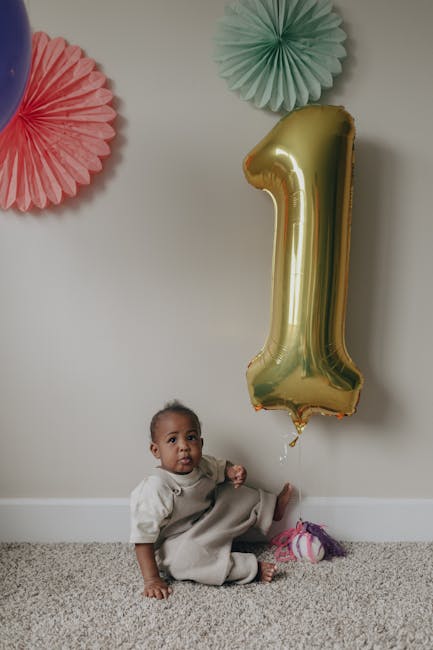
There’s nothing quite like watching your little one grow and reach those incredible milestones. As a parent, it can feel like every day brings something new. It can be that first smile, the first word, or the first time they roll over.
These moments not only mark your child’s progress, but they also signify how much you’ve supported and nurtured their development. Celebrating each of these milestones strengthens your bond and reminds you of how far you’ve come together as a family.
In this blog, we’ll dive into the major milestones that are so special to both you and your child and explore how to embrace and celebrate each one.
Physical Milestones
The first physical milestones are often the most exciting for parents to celebrate. From the moment your little one starts showing signs of strength, coordination, and mobility, it’s clear they’re growing quickly. Every physical milestone is an important step toward independence.
First Steps
One of the most exciting milestones is when your child takes their first steps. It often happens around the 9–12-month mark, but every child is different.
You’ll see them go from crawling to standing and then finally walking. Each of these actions shows their growing confidence and coordination. It’s a thrilling moment for parents to watch.
Celebrating First Steps
- Take lots of photos and videos! These first steps are a moment you’ll treasure forever.
- Clap and cheer to encourage their confidence. Positive reinforcement builds their trust in themselves.
Hand-Eye Coordination
By the time your toddler is reaching for objects, stacking blocks, or scribbling with crayons, they are improving their hand-eye coordination. These activities are building the fine motor skills necessary for independence and daily tasks.
Celebrating Hand-Eye Coordination:
- Provide a variety of safe objects for them to explore with their hands—like soft blocks or large, colorful buttons.
- Celebrate their progress with high fives and praise when they complete a task, like stacking their first tower of blocks.
Cognitive Milestones
Cognitive milestones are just as thrilling as physical milestones because they reflect how your child is learning, understanding, and interacting with the world around them. Their ability to process information and start problem-solving begins to take shape.
Cause and Effect
Around the 6–12-month mark, your child will start to understand cause and effect. They may learn that pressing a button makes a toy light up or that shaking a rattle makes a noise.
These small discoveries are essential as they help your child understand how the world works.
Celebrating Cause and Effect
- Encourage these “aha” moments by giving them toys that make sounds or light up when activated.
- Celebrate by showing excitement when they figure something out, reinforcing their learning.
Imitation
Your toddler is now starting to imitate the actions of those around them. Whether they’re pretending to talk on the phone, stirring a spoon in a bowl, or playing with a toy in the same way you do, these imitative behaviors show their growing social awareness.
Celebrating Imitation
- Play pretend games with them. Let them imitate actions like cooking, cleaning, or even watering plants.
- Praise them for their creativity and enjoy these fun, bonding moments.
Emotional Milestones
As your child grows, they will begin to express a wider range of emotions. Recognizing and managing these emotions is an essential part of their development, and understanding their emotional milestones can help you support them in healthy ways.
Separation Anxiety
Around 8–12 months, it’s common for toddlers to experience separation anxiety. They may cry when you leave the room or when you drop them off at daycare. This is an important milestone as it reflects their attachment to you.
Celebrating Emotional Milestones
- Offer comfort and reassurance, and use a consistent goodbye routine to help ease transitions.
- Celebrate their resilience by recognizing small steps toward independence, like waving goodbye.
Showing Empathy
By the time they are 2 years old, toddlers can begin to show empathy. They might comfort a friend who’s upset or try to share their toy with another child. These small acts of kindness reflect their emotional growth and understanding of others.
Celebrating Empathy:
- Praise them for showing concern for others.
- Encourage them to continue expressing empathy by reading books about feelings or playing games where they care for a toy or stuffed animal.
Language and Communication Milestones
One of the most exciting aspects of toddler development is watching your child begin to communicate. From first words to full sentences, language milestones are milestones you’ll remember forever.
First Words
By the age of 12 months, many toddlers start saying their first words, such as “mama,” “dada,” or other simple words like “bye-bye.” These are huge moments in a child’s development because they signal the beginning of verbal communication.
Celebrating First Words
- Repeat their words back to them and add more words to build their vocabulary.
- Celebrate by clapping and offering positive reinforcement to help encourage them.
Stringing Words Together
By 2–3 years, many toddlers will begin to combine two or more words into simple sentences. Phrases like “more juice” or “big truck” are common at this stage. It shows their growing ability to express needs and desires more clearly.
Celebrating New Sentences
- Encourage your toddler to speak by asking questions and responding in simple sentences.
- Celebrate by praising their attempts at communication—acknowledge their effort even if they’re not quite saying things perfectly.
Conclusion
Watching your toddler reach their first major milestones is one of the most rewarding experiences as a parent. From physical achievements like walking to emotional growth like empathy, each milestone represents the amazing ways your child is evolving.
As you celebrate these special moments, remember to be patient and supportive, offering encouragement and praise along the way. These milestones are just the beginning, and your toddler’s journey will continue to be filled with discoveries, challenges, and triumphs.
FAQs
1. When should I be concerned if my toddler isn’t reaching milestones?
If your toddler seems significantly behind in key areas like walking, talking, or social interactions, it’s best to consult with your pediatrician for advice and guidance.
2. How can I encourage my toddler’s language development?
Engage in conversations, read books together, and describe everyday activities to help expand their vocabulary and communication skills.
3. My toddler doesn’t like to share. Is that normal?
It’s completely normal for toddlers to be possessive of their toys, as they’re still learning about sharing and empathy. Encourage sharing with positive reinforcement, but be patient.
4. How can I help my toddler with separation anxiety?
Establish a consistent and reassuring goodbye routine, keep goodbyes brief, and offer comfort when your toddler shows distress.
5. What are some simple ways to celebrate my toddler’s milestones?
Take photos, offer praise, and create fun family rituals to make each milestone special, whether it’s their first steps or first words.