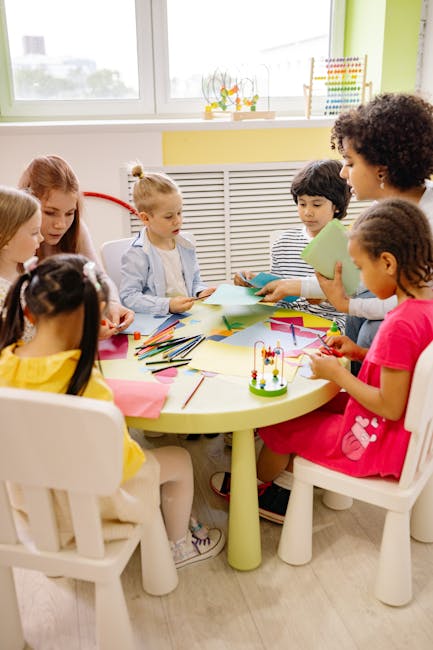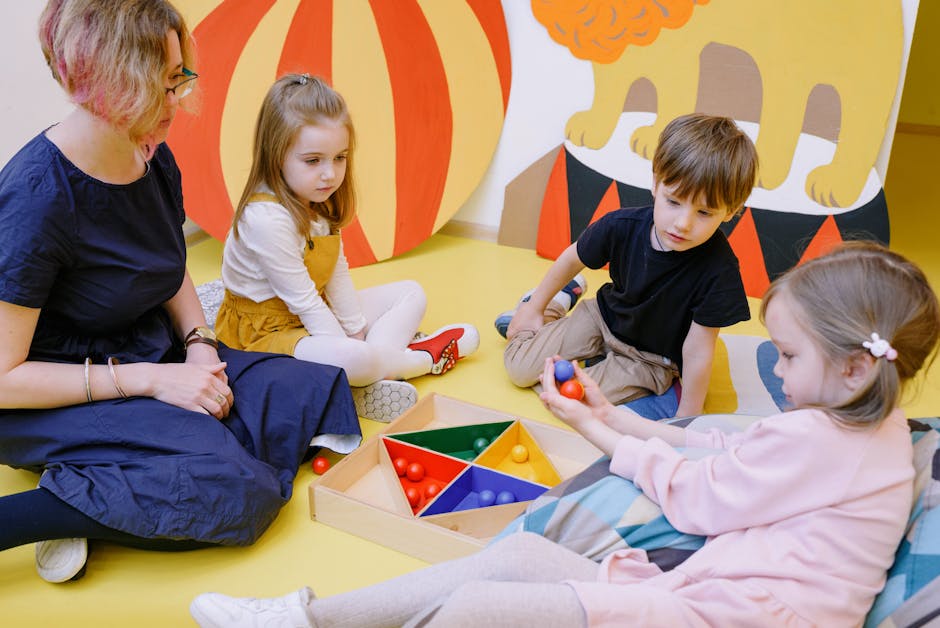
Category: Preschooler 3–5 years

The Building Blocks of a Healthy Diet for Preschoolers

Food is the most important building block for your growing preschoolers. It helps them in learning and staying active, too. Preschool years are the time when your children are the most curious and require nutrition more than ever. 

Providing them with a balanced diet ensures that they stay high on energy all the time and can focus on learning. The most important thing is that the right diet keeps your preschooler away from illnesses and diseases. 

We have especially prepared this guide for mothers’ convenience in understanding the building blocks of a healthy diet for their preschoolers. The best gift we mothers can provide our children is a balanced diet. As it keeps them strong and active, they will thank you for it later on in their healthy lives. 

Importance of a Healthy Diet for Preschoolers

Growth and Development

The preschool age of your children is the one in which they grow fast, physically and mentally. Nutrients help in fueling their muscles and brains. This assists your child in playing and learning with maximum energy and strength. 

Brain Power

Brain sharpening is done by food that is rich in iron and vitamins. Healthy fats are also known to boost brain power. Your preschooler can better concentrate and pick up new skills with a well-fed brain and a balanced diet of all their nutrients. 

Immunity Building

Illnesses and diseases are repelled by a strong diet. Preschoolers who have a daily strong intake of vitamins and minerals stay safe from falling sick often and develop a healthy immune system at a very young age. 

Formation of Lifelong Habits

Mothers should know that what they feed their children at this age is what sets their taste for life. This is the golden time for you to introduce them to veggies and fruits so that they form their eating habits around such healthy foods.

Important Nutrients for Preschoolers 

Your preschooler’s diet should consist of not one but a mixture of different nutrients to keep them on a balanced and healthy diet. Remember that excessive intake of just a single nutrient can also cause problems, no matter how healthy it is. 

Here is a breakdown of different important nutrients: 

Macronutrients

  1. Proteins:
  • It is also known as the growth builder
  • Helps in growing tall and strong
  • Found in eggs, chicken, lentils, yogurt, and fish etc. 
  1. Carbohydrates: 
  • These are providers of energy
  • Helps in fueling your child’s playtime and learning
  • Found in oats, bread, rice, fruits, and potatoes etc. 
  1. Fats: 
  • They help in boosting brain functions
  • Keeps the hormone balanced
  • Found in avocados, nuts, seeds, oil, and fish etc. 

Micronutrients

  1. Vitamins: 
  • Vitamin A sharpens your child’s eyesight and is found in carrots and pumpkins, etc. 
  • Vitamin C helps in healing faster and can be found in oranges, strawberries, etc. 
  • Vitamin D powers bones and makes them stronger. These are found in milk and fortified foods, etc. 
  1. Minerals: 
  • Calcium keeps your bones and teeth strong. Dairy products and green leaves have calcium in them. 
  • Iron helps in boosting brain health and also prevents your child from being tired. Meat and beans are a good example. 
  • Zinc provides immunity and can be found in nuts and seeds. 

Daily Nutritional Needs of Preschoolers

NutrientDaily Requirement (Approx.)Best Food Sources
Calories1,200–1,600 kcalBalanced meals & snacks
Protein13–19 gEggs, poultry, beans
Carbohydrates130 gFruits, grains, veggies
Fats30–40% of daily caloriesNuts, avocado, oils
Calcium700 mgMilk, cheese, yogurt
Iron7 mgMeat, cereals
Vitamin D600 IUSunlight, milk
Fiber19 gFruits, whole grains

The Five Essential Food Groups

  1. Fruits

These are also known as nature’s candies. Fruits are sweet and colorful. You will find them full of vitamins. Mangos and apples are loved by almost everyone. Bananas and berries are not far behind. Find out what your child’s favorite fruit is and make sure to feed it to them daily. 

  1. Vegetables

No balanced diet is complete without veggies. This food group is packed with nutrients and fiber. Broccoli and spinach are the most powerful ones. Carrots and others have the importance of their own. Kids resist vegetables, so mothers should mix them into pasta or soups, etc.

  1. Grains

These act as the fuel for your preschooler’s playing and learning. Whole grains like oats and rice are better than the refined ones. Feeding grains to your children keeps them energized the whole day. 

  1. Proteins

These are essential nutrients for the growth of muscles and bones. Food like chicken and eggs is rich in protein and provides your child with enough nutrients in this food group. 

  1. Dairy

Dairy products provide calcium and vitamin D. These are helpful in boosting muscle energy and strengthening bones. Milk and yogurt are its best examples. Some children do not like bland milk, so you can try mixing fruits in it and making milkshakes for your preschoolers. 

A Sample Daily Meal Plan for Preschoolers

MealIdeas
BreakfastOatmeal and milk, or scrambled eggs with whole wheat toast
Morning SnackYogurt with strawberries or mango slices
LunchGrilled chicken or spaghetti with brown rice and mixed veggies
Afternoon SnackCheese cubes with crackers
DinnerVegetable soup with bread, or fish with mashed potatoes and carrots

Preschooler Feeding Tips for Moms

  • Feed your children on colorful plates so that the kids find it attractive and eat more enjoyably. 
  • Offer your kids small meals on small plates instead of using big plates that might overfeed them.
  • Give them candies and sweets during special occasions and avoid feeding them these daily. 
  • Encourage them to drink water more than other drinks. 
  • Let kids help in the kitchen and during meal preparations. They might start seeing for themselves the importance of a healthy diet this way. 

Common Problems with Feeding Preschoolers

  • Some children are picky eaters, and that’s okay. You can tackle this by offering them small bites of something you want to feed them, and they might eventually give it a try. 
  • Allergies can be caused in your children by some foods. Watch out for such and talk to your pediatrician for safer alternatives. 
  • During busy days, you might not get time to prepare healthy food. Keep fruits sliced at all times and feed them to the preschoolers on busy days. 

Foods to Watch Out For

Mothers should always be aware of what’s good and what’s not to feed their children. Sugary drinks like soda are bad for health and should be avoided, unless there is a party or another special occasion. 

Salty synthetic snacks like packet chips can also be harmful for growing children, as they have so many chemicals in them. Fast food cannot be avoided much, but try to keep it limited to certain days and events. 

Some Benefits of a Healthy Diet

Here are some benefits of a healthy diet for your preschooler: 

  1. Their bones and teeth will strengthen with time. 
  2. They can focus better at school and have a better learning opportunity.
  3. Illnesses and diseases will maintain their distance from your child.
  4. They will grow up to have a healthy lifestyle. 

Conclusion

Feeding your preschooler can be fun when you are aware of the healthy and unhealthy diets. The right mix of fruits and veggies will have your child growing and glowing. Adding proteins and dairy products to it completes the diet. 

The preschooler age is the age of growth, and your feeding plays the most important role in this age. So be very careful with their diet and lay out a healthy, balanced diet for them, both for now and the future. 
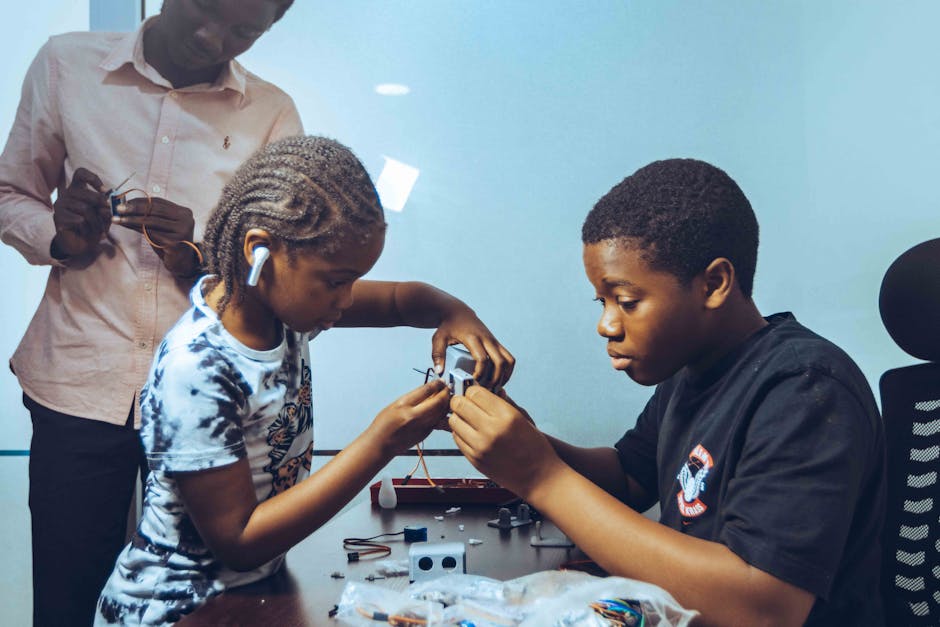
STEM Learning for Kids: Where and How to Begin

STEM learning focuses on science, technology, engineering, and mathematics, which is a central part of a child’s education. It instills curiosity, builds problem-solving skills, and equips children with skills needed for a fast-paced world.

Parents and educators typically wonder how to begin STEM education. Balancing exploration with creativity and allowing children to fail and redo builds the initial step towards science-based learning.

The exciting part is that STEM learning doesn’t have to be confusing or costly; rather, several activities can be performed at home, making learning a fun activity.

This blog explores practical ideas, STEM activities for kids, age-related suggestions, and hands-on tasks to make learning easily accessible and enjoyable for every kid.

The Impact of STEM Education

STEM learning is not limited to academic concepts; in fact, it is about creating a mindset. 

It leads children to think critically, solve problems on their own, along with real-life applications of what they learn.

Some key benefits include:

  • Encouraging curiosity, plus innovation.
  • Building teamwork through group projects.
  • Fostering resilience when activities don’t turn out as planned.
  • Educating children to apply science and math in practical ways.

With these advantages, STEM becomes a lifelong skill set rather than just a school subject.

Introducing STEM to Kids

Step one in STEM learning is fostering discovery. Children should be able to ask questions and try out ideas. Everyday materials, such as paper, cardboard, or balloons, become tools for creativity. 

The child should learn to plan, experiment, and reflect rather than only looking for the right answer. This nurtures curiosity and problem-solving.

Beginning with STEM:

  • Encourage curiosity and open-ended queries
  • Utilize simple household materials for hands-on activities
  • Focus on exploring, instead of perfection
  • Plan, test, and reflect 

STEM Activities for Students

  1. Bridge Building

Children can build bridges by using straws, popsicle sticks, or cardboard to check for sturdiness and durability. 

This teaches engineering fundamentals and innovative problem-solving.

  1. Mini Volcano Reaction

For a volcano-like reaction, children can mix baking soda with vinegar to demonstrate chemical reactions enjoyably and dramatically.

This makes bubbles and releases gas, making a great science experiment.

  1. Coding Adventures

To gain early exposure to computational thinking, kids can design animations, storyboards, or games.

With such computing platforms,  a student is equipped with the first step of learning how to code and program.

  1. Marble Mazes


Students can design tracks for marbles by putting together tubes and cardboard.  This activity leads to logical sequencing and design enhancement.

Creative Learning for Students at Home

  1. Kitchen-Based Chemistry 

Cooking showcases how science works in daily life. The measuring, mixing, and heating of ingredients introduces children to concepts like chemistry, fractions, as well as observation.

  1. Making Homemade Robots 

Household items, like boxes, buttons, or wires, can be used to make robot models. This sparks engineering creativity without the need for expensive materials.

  1. Nature Observations

An outdoor walk can imitate a science experiment. Students can strengthen their biology skills by being able to classify rocks, plants, or insects.

  1. Do-It-Yourself  Weather Tracking

STEM activities for students at home also include tracking the weather patterns. This is done by using simple tools, like jars, thermometers, or charts.

More STEM Activities for Kids at Home

  • LEGO Engineering: Building cars, towers, or bridges with LEGO introduces kids to structural design, plus innovation
  • Exploring Magnets: Kids can examine what materials attract or repel magnets, providing them with practical physics learning.
  • Playing with Shadows: By using lamps or sunlight, children can make and measure shadows, helping them learn about angles, light, and reflection.
  • Water Filtration: By filtering dirty water through layers of sand, cotton, and gravel, kids witness how science connects to real-world issues, such as access to clean water.

Easy STEM Activities with Paper

Paper is an excellent alternative for providing a child with STEM education if other sources aren’t available.

  1. Paper Airplanes

Folding paper into airplanes lets kids experiment with flying and gravity. Varying folds create different flight patterns.

  1. Origami Building

Folding paper into geometric designs introduces children to things like shapes, symmetry, plus precision.

  1. Paper Bridges

By folding or layering paper, one can see how flat sheets can gain strength to support smaller masses.

  1. Pinwheel Spinners

Paper and straws can help make spinners or windmills, showing how the movement of air produces motion.

Using Everyday Materials as STEM Tools

  • Ice Melting Activity: Put ice in different substances, such as salt, sugar, and sand, to observe how materials affect melting speed.
  • Soap Boats: Apply dish soap to cardboard boats to show surface tension and force.
  • Plant Growth Checking: Record seed germination over days to teach patience, biology, and how to collect data.
  • Make a Compass: Turn a needle into a magnet and watch it float on water, to study the Earth’s magnetic pull.

Categorizing STEM Activities by Age

The table shown below organizes STEM activities by age, matching learning tasks with stages of development and skills.

Examples of Activities and Skills

Age GroupExample ActivitiesKey Skills Learned
3–5 yearsSorting objects, mixing colors, blowing bubbles, and stacking towersCuriosity, sensory skills, problem-solving
6–8 yearsPaper airplanes, LEGO builds, sink-or-float tests, and shadow playLogical thinking, creativity, and engineering basics
9–12 yearsVolcano experiments, water filtration, marble mazes, and simple codingTeamwork, experimentation, and applied science
13+ yearsBridge design, DIY weather tracking, robotics, advanced codingCritical thinking, innovation, and technical skills

Each age group benefits from STEM learning differently, progressing from sensory play to logical thinking, experimenting, and enhanced problem-solving.

By aligning activities with a child’s developmental stages, you can better equip a child with engaging STEM education.

STEM Educating Tips for Parents and Teachers

Simple strategies help parents and teachers make STEM learning meaningful, engaging, and fun for children.

  • Encourage Questions: Let children question “why” and work together to discover answers.
  • Acknowledge Mistakes: Treat failed experiments as learning opportunities, instead of challenges.
  • Make Use of Common Routines:  Turn cooking, gardening, or even grocery shopping into lessons of STEM.
  • Offer Choices: Give kids activity options so that they become confident students.
  • Balance Technology: Introduce coding, plus digital tools, but balance with hands-on activities or games
  • Introduce Role Models: Share tales of scientists, inventors, and engineers to build curiosity and love for learning.

Conclusion

In conclusion, STEM learning is not only about memorizing, but also ignites curiosity and exploring things hands-on. Every activity develops problem-solving and innovative thinking.

Parents and teachers also play a role in enhancing science, technology, engineering, and mathematics education.

Teaching students about STEM means letting them make mistakes and learn. By redoing experiments over and over again, children learn patience, as well as establish learning opportunities for themselves.

In the end, proper STEM learning starts at home and builds the foundation of a child’s creative and critical reasoning skills.

FAQs 

How to teach kids STEM?

Educate kids about STEM through hands-on experiments, play-based tasks, and real-world problem solving that build a child’s curiosity. Use simple, daily materials to make the learning experience fun.

How to get started with STEM?

Start with easy activities like paper airplanes, LEGO building, or simple coding games. Focus on exploration, instead of perfection, to foster confidence, plus interest.

What is the best age to start STEM?

STEM can start as early as preschool (ages 3–5) with sensory play and easy experiments. The tip is to match activities with the stages of development. 

What is one of the beginning steps to a STEM lesson?

An excellent first step is asking an open-ended question or posing an issue. This stimulates curiosity and motivates children to brainstorm, predict, and examine their own creative ideas.

How to Prepare Your Preschooler for Kindergarten

Kindergarten marks the start of formal education. It is when a child is introduced to the alphabet, forms and pronounces words, as well as counts numbers. Starting Kindergarten is a milestone to celebrate a child’s academic growth. It brings excitement and anticipation for a brand new experience in the preschooler’s life.

However, Kindergarten is not just limited to academics; rather, it’s about nurturing independence, making friends, and developing long-lasting skills. Before beginning Kindergarten, it is best to prepare your child for it so that he or she is not left overwhelmed on their first day.

Introducing a new school environment to your then pre-schooler is about teaching routines, encouraging curiosity, and fostering confidence in what they can do. 

Let’s go through some ways and tips that will help guide your little one through kindergarten. 

10 Ways to Prepare Your Child for Kindergarten

To help your little one adjust to a structured class environment, you should start by building essential skills at home. This can create a sense of comfort and lead to an excitement for learning.  

Every parent wants their kid to be confident as he or she steps into their kindergarten class.

Below, we have listed ten strategies focused on both being ready for academics and personal growth.

1. Build Independence

Motivate your child to handle easy tasks independently, such as putting on shoes, washing hands, and tidying up their toys. 

These small responsibilities teach them self-reliance and increase confidence, which will be beneficial in a classroom setting.

2. Practice Communication Skills

Take part in conversations where your child shares thoughts, answers questions, and listens to others. 

Developing clear verbal communication helps your child express their needs and build social connections at school. This forms the base for positive interactions with teachers and classmates.

3. Introduce Early Language and Literacy 

Read aloud every day and point to words as you read. This will help your child recognize letters, sounds, and simple sight words. 

Reading habits build a love for books and support early literacy growth, which will make learning in the classroom more fun and enjoyable.

4. Enhance Fine Motor Skills

Coloring, cutting with child-safe scissors, stacking blocks, or stringing beads are activities that strengthen a child’s hand-eye coordination.

These develop fine motor skills and prepare children for writing and classroom projects, so that they are able to fully participate in everyday lessons.

5. Build Awareness of Numbers

Teach your little one how to count by counting objects at home, playing with puzzles, and so on.

For a strong math foundation, your child recognizing numbers and learning basic counting, early-hand is key, in helping him or her build confidence, when it comes to problem-solving.

6. Encourage Social Interaction

Arrange group activities or games, so your child learns sharing and turn-taking. Social skills are important in kindergarten due to teamwork and cooperation.

7. Develop Listening and Following Directions

Playing games that enhance listening and directions encourages a child to listen attentively and follow instructions in school.

Such skills are vital in a structured class setting.

8. Promote Problem-Solving Skills

Introduce simple challenges to your child that will make him or her think and create. This boosts critical thinking and readies your children to tackle new learning tasks with ease.

9. Form a Routine

Set a daily routine for your little one, which includes waking up early, meal times, and nighttime.

Having a schedule better prepares your pre-schooler to smoothly transition to school routines, without making it too stressful.

10. Boost Emotional Resilience 

Introduce your child to feelings and healthy ways to handle them. Teach how to manage frustration and ask for help. 

By learning to be comfortable when you are not around, your child is better able to go through the emotional challenges of kindergarten life.

Getting Ready for Kindergarten Activities 

Activities, which are play-based and interactive, aid in developing your child’s practical skills and confidence. Unlike structured preparation, these experiences encourage curiosity, problem-solving, plus social interaction, using a hands-on approach. 

Some of these activities are listed below:

  1. Sorting and Categorizing

Provide everyday objects, such as buttons, blocks, or toy animals, and tell your child to sort them by color, size, or type. 

This is a fun way to increase cognitive skills, teach organization, and introduce fundamental math concepts.

  1. Role-Playing 

Role-playing real-life scenarios, such as setting up a pretend shop, kitchen, or school, helps children practice social skills and build empathy.

It also helps them comprehend school routines.

  1. Treasure Hunts

Treasure hunts help children follow clues and find items. This develops attention to detail, teaches how to follow directions, and problem-solve.

  1. Building and Construction Play

Building or construction play, like constructing towers and shapes, is are activities that strengthen your little one’s spatial awareness.

It also enhances their hand-eye coordination and creativity.

  1. Music and Dance

Songs, rhythm games, and dance help in improving listening abilities, coordination, and following sequences.

All of these are essential for participating in class.

By incorporating these hands-on activities regularly, children develop readiness skills naturally and enjoy the learning process at the same time.

Signs Your Child Is Not Ready for Kindergarten

Regardless of your all-in efforts, your child may still struggle with certain skills. Every child develops at their own pace, and some may just need more time.

Recognizing signs that your child is not ready yet might aid you in providing support without any added stress.

  1. Struggles with Separation

If your child experiences separation anxiety when away from you, help them adjust to independent settings before entering the classroom.

  1. Issues with Following Directions

A child who is constantly struggling to listen or understand easy instructions may require extra support with attention and concentration before moving to a structured kindergarten class.

  1. Limited Social Abilities 

Your child needs more time to build social readiness in team environments if he or she avoids playing, has difficulty sharing, or displays regular outbursts.

  1. Delays in Communication

Difficulty speaking in full sentences, limited vocabulary, or challenges in expressing needs could indicate that more language practice is required to thrive in school.

  1. Little Interest in Learning

Showing a lack of curiosity about books, numbers, or problem-solving activities may mean your child isn’t really prepared for structured learning yet.

  1. Needs Assistance with Self-Care 

If your kid has trouble with basics, such as dressing, feeding, or toileting on their own, he or she may require more time before handling the kindergarten school environment.

Helping your Little One Get Ready at Home

If your preschooler shows signs of not being ready yet, it doesn’t mean they won’t be prepared later. Rather, this gives a chance to provide them with additional support.

Focus on small and consistent improvements to help your child gain the needed abilities for kindergarten success.

  • Provide extra practice in small sessions to build confidence slowly.
  • Gradually enhance exposure to group activities to strengthen social skills.
  • Be patient and celebrate even the tiniest bit of progress to instill optimism.

Conclusion 

Preparing your preschooler for kindergarten is about providing encouragement and celebrating independence.  It is not just about academics, but about building curiosity, being able to do things on their own, as well as emotional perseverance.

Establishing routines helps your little one feel secure, while home-based activities and games boost their confidence.

The tips above indicate ways to prepare your child for kindergarten, through different methods, and also support gradual growth.

Kindergarten is the first step to an academic life; therefore, building a foundation at home leads to increased chances of future success.

Risks of Excessive Screen Time for Preschoolers and How to Limit It

It has become difficult to keep children away from screens in this digital world. Kids require screens for cartoons and even some educational apps for online learning. But their usefulness turns harmful when used excessively. 

That is when the parents start worrying about the risks that are posed by excessive screen time for their kids, especially preschoolers. They have to find what these risks are and ways to limit them. 

We have specially prepared this blog for you to explore the risks of excessive screen time. You can discover how it affects preschoolers, along with some strategies for reducing screen time at home. 

Why Has Screen Time Become a Concern for Parents

Life has been made easier by the growing technology in many ways. Screens are a source of enjoyment for kids. However, when children spend hours glued to screens, the impact of screen time on their minds becomes concerning. 

Pediatricians and child psychologists have issued many warnings against the dangers of excessive screen time. This becomes particularly critical during the initial years of your child’s brain growth. 

But how can parents avoid screens, given that they are everywhere in TVs, tablets, and smartphones? Even some smart toys have screens. Outdoor games are healthy, while a screen’s stimulation hinders natural development when consumed in excess. 

What is the Appropriate Screen Time for Preschoolers 

When it comes to screen time for preschoolers, the American Academy of Pediatrics (AAP) suggests limiting it to no more than one hour per day for kids aged 2 to 5. The key here is quality. Make sure the content is educational and age-appropriate.

It’s important to remember that screen time shouldn’t take over other activities. Kids need time to play, read, and engage with others face-to-face. A balanced routine helps them grow and develop in all areas.

  • Choose high-quality content that sparks curiosity and learning.
  • Spend time together by co-viewing. Tthis way, you can discuss what’s happening on the screen and add your thoughts.

One thing to keep in mind is the timing. It’s a good idea to avoid screens during meals or right before bed, as this can disrupt sleep patterns. Setting up consistent routines and clear limits will help your child understand the importance of balance.

Risks of Too Much Screen Time for Kids

  1. Physical Health Issues
  • Constant screen time causes eye strain for your kid. It can lead to an increased risk of shortsightedness. 
  • Your child’s spine health can be affected. This happens when they sit hunched over for hours in front of the screen. It causes your kid to develop poor posture. 
  • There can be a risk of obesity or weight gain as screen time might replace active play time for your kids if they use mobile devices too much. 
  1. Lack of Sleep
  • Excessive screen time disturbs a preschooler’s natural sleep cycle. 
  • The blue light from screens makes it harder for kids to fall asleep. 
  • It affects your kid’s mood and concentration, hence affecting the overall development. 
  1. Brain Development

The effects of screen time on brain development are one of the most worrying concerns for parents. Your child’s brain grows rapidly in the initial years, and they need more real-world experiences to develop their brains in the right way. Overusing screens can cause hindrances in speeches and affect your child’s attention span.

  1. Emotional Concerns
  • Your child gets attached to devices and might throw tantrums when they get taken away.
  • Their social activities get very low, causing them to prioritize digital media over making friends. 
  • They become unable to control their emotions. 
  1. Academic Performance

Spending too much time online can affect your child’s academic life. Their homework routines can get hindered. Unrestricted use of the screen leads to distraction and poor academic outcomes for your child, even when being used for educational purposes. 

Signs Your Child May Be Getting Too Much Screen Time

  1. Your child starts prioritizing sitting in front of the screen over outdoor play.
  2. They start getting irritable when devices are taken away from them.
  3. Your kid is having trouble sleeping. 
  4. There is a decline in their academic performance. 
  5. They show very little interest in family time. 

Any of these signs, and you need to start focusing on limiting screen time of your child by re-establishing healthy boundaries. 

Tips for Reducing Screen Time

Create a Family Media Plan

Parents should set clear rules on how much screen time is healthy for their child. It should be based on the age of their children. Set specific times when devices are allowed to be used and when they are off-limits. The off-limit time should be implemented especially during meals and before bedtime. 

Lead by Example

Children learn from their parents. They will follow you if you stay glued to your phone. Decrease your phone usage in front of your child. 

Play with Toys 

Keep your preschooler engaged with toys. Toys are much better than screens. Playing with them can help your children stay physically healthy, too. Here are some toy options:

Encourage Off-screen Activities

Parents can provide fun options to get their child off the screen. Encourage them to play outdoors and sports. You can read books together and have family board games.

Use Technology Wisely

Avoid letting your child use phones unsupervised. You can enjoy screentime together with your kid when possible. Enabling parental controls to block harmful content from showing up in front of your child can also help. 

Helping Kids with Screen Limits

Here are some friendly ways to help your children with screen limits: 

  • Do not take away their devices abruptly. Instead, start by spending more time with them and playing outdoor and board games with them. This eventually leads to reducing screen time. 
  • Introduce hands-on activities for your child. Activities like building blocks and finger painting provide brain stimulation. 
  • Teach your kids why the screens are not good for them. They might just listen to you. 

Benefits of Limiting Screen Time

The following benefits are noticeable when parents succeed in limiting screen time for their child. 

  1. Their sleep schedule comes back on track. 
  2. They start developing better social skills and family bonds.
  3. The academic performance of your child gets better.
  4. You can see reduced behavioral problems in them.
  5. Their lifestyle becomes healthier, and there is more active play in their routine.

Some Mother-Friendly Strategies for You

You might feel overwhelmed as a mother to enforce screen limits and manage your household side by side. Here are some gentle approaches for your ease. 

  • Some mothers require screen time to cook or work. You can schedule it rather than randomly using the screen for it. 
  • You can involve your kids in daily tasks like cooking and cleaning together. This will teach your child life skills by keeping them away from screens. 
  • Reward your child for good deeds with extra playtime or story time instead of rewarding them with more screentime. 

Conclusion

Screens have become a part of the modern childhood. It cannot be eliminated. The only thing to be done is for parents to limit screen time for preschoolers. 

Excessive screentime can have many risks for kids. These risks can be reduced by parental guidance and supervision. Balance your child’s phone usage and, as mothers, guide them to healthier habits. 

The key is to create a balanced environment for preschoolers with consistency and love, both online and offline. 

How to Choose Educational Games That Enhance Preschooler Learning

Preschoolers are all about playing around and learning new things every day. We as mothers want what’s best for them, be it in the genre of playing. Our children run after fun, and we run after them. 

Mothers tend to choose educational games for their children to play, so that they can learn something from playing rather than just wasting time. Games like puzzles and stacking blocks are the most popular ones among mothers.

Apart from these, there is an abundance of traditional as well as digital games available to choose from for your preschooler. We have this guide prepared for mothers to choose the best educational games for their kids. By choosing wisely, you can make your preschooler’s playtime worthwhile and full of learning. 

Educational Games in Preschool Years

Here are some of the reasons why educational games matter in your child’s preschool years:

Learning New Things

Games can teach a preschooler many things through play. They keep the children engaged with learning skills like memorization and creativity. Concentration through the game is also a skill that the kids learn through playing educational games. 

Developing Social Skills

Most of these educational games can be played in groups. Through such games, your preschooler gets to learn some social skills by socializing with their teammates and sharing ideas. Patience is also one of those important social skills needed for school, and it develops in your child through these games. 

Building up Confidence

Winning during games can boost confidence in your child. It might make them feel proud of themselves, which is a good strategy to build self-esteem and love for learning more.

Learning with Fun

Educational games are not only for learning purposes. They also include fun and enjoyment for the kids. The right game balances fun with learning. 

What to Look for in an Educational Game

Mothers should look for the following important factors in a good educational game:

  1. Whatever game you choose should be appropriate to your child’s age. It should match a preschooler’s developmental stage and should be challenging to a limit. 
  2. Look for games that focus on skill development, such as: 
  • Puzzle games enhance cognitive skills.
  • Drawing and building games enhance motor skills.
  • Alphabet and storytelling games are good for language development. 
  1. An effective game holds your child’s attention and keeps them engaged. Bright colors and interactive features also help. 
  2. Detailed games can be complex for the kids. Select simple games with easy rules to play. Check for safe sites with no ads for digital games. 

Types of Educational Games for Preschoolers

  1. Traditional Indoor Games
  • Building Blocks and Construction Games: These games can be played to improve motor and problem-solving skills in your preschooler.
  • Board Games: Patience and counting are some of the things to learn from board games.
  • Memory Matching Games: Your child will learn how to focus and memorize by playing such games. 
  1. Outdoor Educational Games
  • Scavenger Hunt: Observation skills are enhanced with physical development.
  • Hopscotch: This can be played with numbers as well as letters. Your child learns how to combine movement. 
  • Nature Exploration Games: Such games teach scientific concepts. 
  1. Digital Educational Games
  • Alphabets and Number Learning Games: These can strengthen early literacy and mathematics. 
  • Storytelling Apps: Your preschooler can develop comprehension and listening skills.
  • Creative Apps: it is used to learn drawing and music. 

Traditional vs. Digital Educational Games

AspectTraditional GamesDigital Games
Learning StyleHands-on and socialVisual and interactive
Skills BuiltMotor skills, social interaction, and patienceLanguage, memory, problem-solving
Screen Time ImpactZeroShould be limited to 30–60 minutes per day
Best ForGroup play, family bondingIndividual learning, creativity

How Educational Games Support Different Learning Areas

  1. Cognitive Development

Puzzles and shape sorter-type games support problem-solving and memory learning in your kids.

  1. Language

Alphabet Puzzles and rhyming games help children in vocabulary expansion. Storytelling games are helpful in preparation for reading.

  1. Number Learning

Games for counting and board games that involve a dice are good for digital learning and introducing children to numbers in a fun way. 

  1. Social Learning

Social games help children to pick up positive learning aspects like teamwork and empathy. They get to learn patience and sharing, too. 

  1. Motor Skills

Games that require arranging and building something can enhance motor skills in your kid, and they help in creating the foundation for mechanical studies. 

Tips for Choosing the Right Educational Game

  1. Select a game that interests your child. You know it better than anyone about what your preschooler loves.
  2. Do not just rely on traditional games or digital games entirely. Create a balanced game routine with a blend of both. 
  3. Look for reviews and recommendations on certain games. Make sure that the game is safe for children and has a good impact on them. 
  4. Test a game before handing it over to your child. Play it together with them for the first few times. 
  5. Invest in flexible games that grow with your child, or have levels of difficulty growing with age. This will ensure that the game can be played for a long time. 

Best Educational Games by Category

CategoryGame TypeBenefits
CognitiveJigsaw PuzzlesImproves problem-solving and memory
LanguageAlphabet Matching CardsEnhances vocabulary and recognition
NumeracyCounting Board GamesIntroduces math in a fun way
SocialGroup GamesEncourages teamwork and patience
Motor SkillsBuilding BlocksDevelops coordination and creativity
CreativeArt AppsBoosts imagination and expression

Common Mistakes to Avoid

Mothers should avoid the following mistakes when introducing their children to educational games: 

  • Balance time. Do not let them play for long hours; set a certain time limit for playing.
  • Too-hard games should be avoided as they might frustrate your child.
  • Do not try to put all games on them together. Introduce games one by one and focus on one skill at a time. 
  • Check for small or sharp parts in physical games and make sure the game is safe in your child’s hands. 

Make Educational Games Part of Everyday Routine

Start the morning with a quick puzzle game after breakfast to kick-start your preschooler’s mind for the day, or before going to school. Then outdoor games would be helpful in the afternoon, such as a scavenger hunt or hopscotch with numbers.

End the day with a storytelling session and a board gaming family session in the evening. It should be done to lull your kid into a deep sleep after being exhausted from a good learning day. 

Extra Benefits Beyond Learning with Educational Games 

There are some more benefits to these games for you, apart from learning and growing. You get to spend some bonding time with your kids, and it helps in creating special memories to cherish forever. These games help the children to express themselves freely, and they get to learn how to manage their emotions. 

Final Thoughts

As moms, your main task is to look for the right educational game for your kid that is both good for learning and adds a fun element to your preschooler’s daily routine. Add a balance between their digital gaming and physical ones so they get to learn from both.

A thoughtful collection of fun and educational games is what your preschooler requires to learn lessons and necessary life skills. Let them grow while playing. Mothers need to be there to supervise that growth with patience and love. 

Educate your preschooler with the right educational game and keep learning.