In today’s rapidly evolving world, information through technology, media, and education continues to be on rise. Having access to knowledge is vital, but knowing how to process, analyze, and question that information is equally important.
This is done through critical thinking, which is the ability to evaluate ideas, solve problems logically, and make smart decisions. These skills should be learned as early as childhood.
When it comes to children, the early development of these skills is essential for both academic success as well as social interactions.
As children grow up with strong thinking habits, they become curious and independent. Their resilient learning skills expand into adulthood, touching on careers, relationships, and long-term success.
The Importance of Critical Thinking in Children
Critical thinking is important, as it forms the base for problem-solving, logical reasoning, and informed decision-making. In children, possessing essential skills of thinking shapes their perception of the world and how they respond to challenges.
Reasons Why Critical Thinking Skills Matter in Childhood
- Academic Growth: Improves reading comprehension, math reasoning, plus scientific questioning
- Life Skills: Prepares children to make daily decisions in a confident manner
- Communication: Develops better expression and comprehension of varying viewpoints
- Resilience: Aids children in dealing with setbacks and overcoming peer pressure.
Stages of Critical Thinking in Children
Critical thinking empowers children to navigate challenges, make informed choices, and become independent learners.
By understanding how these abilities develop across different ages, parents and educators are better equipped to provide the right support, in accordance with each stage.
| Stage | Age Range | Key Characteristics |
| Early Childhood | 3–5 years | Curiosity through endless questions; beginning signs of reasoning and exploration. |
| Middle Childhood | 6–10 years | Enjoys solving puzzles, spotting patterns, and applying logical steps to problems. |
| Pre-Teens | 11–13 years | Forms independent opinions, evaluates fairness, and begins testing rules critically. |
Benefits of Early Critical Thinking in Children
Early critical thinking in children ensures they grow with strong mental habits. Some of the key advantages are listed below:
- Creativity and Innovation: Children take to idea experimentation, rather than just memorizing facts.
- Enhanced Problem-Solving: Children are able to decide between multiple options and select the ideal course of action.
- Decision-making confidence: Kids trust their reasoning and avoid relying much on others for solutions
- Future Readiness: Early critical thinking provides a stepping-stone for children as they navigate into the real world. Critical thinking is one of the most valued skills in professional, as well as personal life.
How to Develop Critical Thinking in Children
Fostering critical thinking skills in kids can be both fun and engaging. Parents and teachers can utilize books, toys, and games to make learning an exciting experience while focusing on developing problem-solving and reasoning abilities.
Reading Books for Critical Thinking
Books are a powerful way to enhance a child’s reasoning skills. Critical thinking skills books usually combine stories, puzzles, and exercises, which promote a child’s problem-solving ability.
- Books that consist of logic puzzles to analyze and solve clues.
- Critical Thinking Detective series, which aids in solving mysteries with evidence and reasoning
- Storybooks with open-ended endings that encourage kids to predict and form their own climaxes.
- Math and Logic Workbooks, which help children develop number reasoning, plus step-by-step thinking.
These types of books help children engage with new ideas, inquire about information, and expand their imagination and creative thinking.
Toys for Critical Thinking Skills
Toys that build on creativity and strategy are excellent for critical thinking. Examples of such toys consist of:
- Building Blocks, for example, LEGO and STEM Kits, which increase creativity and planning.
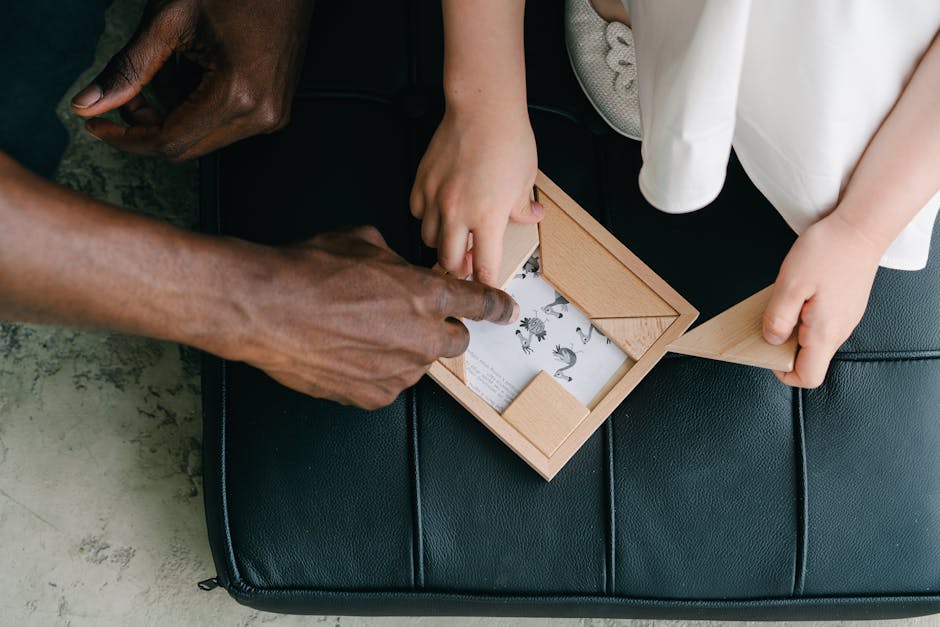
- Puzzle Games, such as Rubik’s Cube and Jigsaws, teach patience, observation, and rational thinking.
- Strategy Games, like Chess and Connect 4, teach anticipation and long-term planning.
- Engineering Sets and Robotics Kits make a child curious about how things work.
Games and Activities to Build Critical Thinking
A fun way to build critical thinking is through gaming and activities. By engaging with games and other activities, children should be able to:
- Develop deductive reasoning.
- Enhance strategy and foresight abilities
- Build creativity and sequencing skills through story-based games
- Weigh both sides of an argument through debating games, specifically for older children
- Improve observation and clue interpretation through treasure hunting or detective games
The Role of Parents and Schools in Promoting Critical Thinking
How Parents Develop Critical Thinking in Children
Parents are a child’s primary educators, and their daily actions highly affect how children learn to think. Critical thinking at home happens through small and consistent practices
- Ask Open-Ended Questions: Instead of asking children to choose between two, parents can ask children why something happened or what they would do differently. This lets children explain their reasoning and be able to fully express their ideas.
- Encourage Reflection: Asking reflective questions can help children match experiences with outcomes. This can be done through questions, such as, “What did you like most about your day”?
- Model Decision-Making: Sharing thought processes with children, when engaging in tasks that require thoughtful planning, shows children how logical reasoning is used in real life
- Nurture Curiosity: Kids naturally make mistakes while exploring. By treating these mistakes as learning opportunities, parents encourage their children to take risks and think in a creative way.
How Schools Build Critical Thinking in Students
Schools provide structured opportunities for kids to strengthen their reasoning. Teachers build environments in which students analyze and apply knowledge beyond just textbooks.
- Project-Based Learning: Aids in tackling real-life problems, like designing a recycling plan, which helps students think in a categorized manner
- Group Discussions: Sharing perspectives in the classroom encourages teamwork, listening, plus respect for varying opinions
- Debates and Writing Tasks: Students learn to create arguments with evidence, defend their viewpoints, and respond rationally to challenges
- Analyzing Texts and Experiments: Instead of memorizing results, students are taught to inquire why something happened or if something else can be true.
Schools do not only prepare students for academic success. Through important thinking skills, they become well-prepared for decision-making and leadership abilities, as they turn into adults.
The Lasting Impact of Critical Thinking Skills
Critical thinking skills influence every stage of life, molding how individuals learn, work, and interact with those around them.
Through early development, these abilities continue to benefit children, during adulthood, too.
Educational Impact
- Encourages curiosity and deeper comprehension of concepts.
- Enhances problem-solving across all subjects.
- Develops habits for lifelong learning.
Career Impact
- Improves decision-making in tough situations.
- Motivates creativity and adaptability at work.
- Increases employability in today’s industries.
Relationship Impact
- Improves listening plus communication skills.
- Aids in resolving conflicts with respect
- Fostering empathy and cooperation.
Societal Impact
- Inspires responsible citizenship and fairness.
- Minimizes the influence of misinformation.
- Elevates active participation in communities.
Children who grow up practicing critical thinking become adults who are resilient, confident, and adapt well. Having such qualities not only benefits them, but also the communities and societies they are in.
Conclusion
Helping your child develop critical thinking skills nurtures curiosity and builds independence in the long run. Through using books, toys, and games to develop essential thinking abilities, children become better prepared to join society.
Through the effective teaching abilities of parents and teachers, children become well-educated and possess lifelong skills.
Critical thinking is not only limited to education, but also expands to real-life situations. It readies children to navigate complex situations, analyze information, and tackle setbacks confidently and imaginatively.
By fostering these skills early, you can help children become smart problem-solvers and independent thinkers in a fast and constantly changing world.