Category: Middle Schooler 6–12 years

Helping Your Child Develop Critical Thinking Skills

In today’s rapidly evolving world, information through technology, media, and education continues to be on rise. Having access to knowledge is vital, but knowing how to process, analyze, and question that information is equally important.

This is done through critical thinking, which is the ability to evaluate ideas, solve problems logically, and make smart decisions. These skills should be learned as early as childhood.

When it comes to children, the early development of these skills is essential for both academic success as well as social interactions.  

As children grow up with strong thinking habits, they become curious and independent. Their resilient learning skills expand into adulthood, touching on careers, relationships, and long-term success.

The Importance of Critical Thinking in Children

Critical thinking is important, as it forms the base for problem-solving, logical reasoning, and informed decision-making. In children, possessing essential skills of thinking shapes their perception of the world and how they respond to challenges.

Reasons Why Critical Thinking Skills Matter in Childhood

  • Academic Growth: Improves  reading comprehension, math reasoning, plus scientific questioning
  • Life Skills: Prepares children to make daily decisions in a confident manner
  • Communication: Develops better expression and comprehension of varying viewpoints
  • Resilience: Aids children in dealing with setbacks and overcoming peer pressure.

Stages of Critical Thinking in Children

Critical thinking empowers children to navigate challenges, make informed choices, and become independent learners. 

By understanding how these abilities develop across different ages, parents and educators are better equipped to provide the right support, in accordance with each stage.

StageAge RangeKey Characteristics
Early Childhood3–5 yearsCuriosity through endless questions; beginning signs of reasoning and exploration.
Middle Childhood6–10 yearsEnjoys solving puzzles, spotting patterns, and applying logical steps to problems.
Pre-Teens11–13 yearsForms independent opinions, evaluates fairness, and begins testing rules critically.

Benefits of Early Critical Thinking in Children

Early critical thinking in children ensures they grow with strong mental habits. Some of the key advantages are listed below:

  • Creativity and Innovation: Children take to idea experimentation, rather than just memorizing facts.
  • Enhanced Problem-Solving: Children are able to decide between multiple options and select the ideal course of action.
  • Decision-making confidence:  Kids trust their reasoning and avoid relying much on others for solutions
  • Future Readiness: Early critical thinking provides a stepping-stone for children as they navigate into the real world. Critical thinking is one of the most valued skills in professional, as well as personal life.

How to Develop Critical Thinking in Children

Fostering critical thinking skills in kids can be both fun and engaging. Parents and teachers can utilize books, toys, and games to make learning an exciting experience while focusing on developing problem-solving and reasoning abilities.

Reading Books for Critical Thinking

Books are a powerful way to enhance a child’s reasoning skills. Critical thinking skills books usually combine stories, puzzles, and exercises, which promote a child’s problem-solving ability.

  • Books that consist of logic puzzles to analyze and solve clues.
  • Critical Thinking Detective series, which aids in solving mysteries with evidence and reasoning 
  • Storybooks with open-ended endings that encourage kids to predict and form their own climaxes.
  • Math and Logic Workbooks, which help children develop number reasoning, plus step-by-step thinking.

These types of books help children engage with new ideas, inquire about information, and expand their imagination and creative thinking. 

Toys for Critical Thinking Skills 

Toys that build on creativity and strategy are excellent for critical thinking. Examples of such toys consist of: 

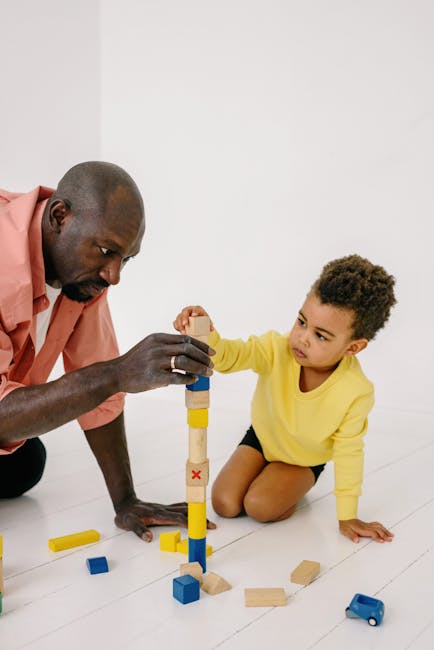
  • Building Blocks, for example, LEGO and STEM Kits, which increase creativity and planning.
  • Puzzle Games, such as Rubik’s Cube and Jigsaws, teach patience, observation, and rational thinking.
  • Strategy Games, like Chess and Connect 4, teach anticipation and long-term planning.
  • Engineering Sets and Robotics Kits make a child curious about how things work.

Games and Activities to Build Critical Thinking 

A fun way to build critical thinking is through gaming and activities. By engaging with games and other activities, children should be able to:

  • Develop deductive reasoning.
  • Enhance strategy and foresight abilities
  • Build creativity and sequencing skills through story-based games
  • Weigh both sides of an argument through debating games, specifically for older children
  • Improve observation and clue interpretation through treasure hunting or detective games

The Role of Parents and Schools in Promoting Critical Thinking

How Parents Develop Critical Thinking in Children

Parents are a child’s primary educators, and their daily actions highly affect how children learn to think. Critical thinking at home happens through small and consistent practices

  • Ask Open-Ended Questions: Instead of asking children to choose between two, parents can ask children why something happened or what they would do differently. This lets children explain their reasoning and be able to fully express their ideas.
  • Encourage Reflection:  Asking reflective questions can help children match experiences with outcomes. This can be done through questions, such as, “What did you like most about your day”?
  • Model Decision-Making: Sharing thought processes with children, when engaging in tasks that require thoughtful planning, shows children how logical reasoning is used in real life
  • Nurture Curiosity: Kids naturally make mistakes while exploring. By treating these mistakes as learning opportunities, parents encourage their children to take risks and think in a creative way.

How Schools Build Critical Thinking in Students

Schools provide structured opportunities for kids to strengthen their reasoning. Teachers build environments in which students analyze and apply knowledge beyond just textbooks.

  • Project-Based Learning: Aids in tackling real-life problems, like designing a recycling plan, which helps students think in a categorized manner
  • Group Discussions: Sharing perspectives in the classroom encourages teamwork, listening, plus respect for varying opinions
  • Debates and Writing Tasks: Students learn to create arguments with evidence, defend their viewpoints, and respond rationally to challenges
  • Analyzing Texts and Experiments: Instead of memorizing results, students are taught to inquire why something happened or if something else can be true.

Schools do not only prepare students for academic success. Through important thinking skills, they become well-prepared for decision-making and leadership abilities, as they turn into adults.

The Lasting Impact of Critical Thinking Skills

Critical thinking skills influence every stage of life, molding how individuals learn, work, and interact with those around them.

Through early development, these abilities continue to benefit children, during adulthood, too.

Educational Impact

  • Encourages curiosity and deeper comprehension of concepts.
  • Enhances problem-solving across all subjects.
  • Develops habits for lifelong learning.

Career Impact 

  • Improves decision-making in tough situations.
  • Motivates creativity and adaptability at work.
  • Increases employability in today’s industries.

Relationship Impact

  • Improves listening plus communication skills.
  • Aids in resolving conflicts with respect
  • Fostering empathy and cooperation.

Societal Impact

  • Inspires responsible citizenship and fairness.
  • Minimizes the influence of misinformation.
  • Elevates active participation in communities.

Children who grow up practicing critical thinking become adults who are resilient, confident, and adapt well. Having such qualities not only benefits them, but also the communities and societies they are in.

Conclusion

Helping your child develop critical thinking skills nurtures curiosity and builds independence in the long run. Through using books, toys, and games to develop essential thinking abilities, children become better prepared to join society. 

Through the effective teaching abilities of parents and teachers, children become well-educated and possess lifelong skills.

Critical thinking is not only limited to education, but also expands to real-life situations. It readies children to navigate complex situations, analyze information, and tackle setbacks confidently and imaginatively.

By fostering these skills early, you can help children become smart problem-solvers and independent thinkers in a fast and constantly changing world. 

How to Set Boundaries and Discipline with Love

The most challenging task for parents is setting boundaries for their child, especially during the middle school years. This phase of development is when children start testing limits, pushing for more independence, and becoming more socially aware. 

But how do you create a balance between guiding them with love and setting the necessary boundaries? How can you discipline your child effectively without damaging their self-esteem or pushing them away?

In this blog, we’ll dive into strategies that not only help you set clear boundaries but also approach discipline in a way that nurtures love, respect, and understanding in your relationship with your child.

1. Understanding the Importance of Boundaries

Boundaries are not just about rules and restrictions; they are a form of protection and guidance. For middle schoolers, boundaries provide structure, security, and a sense of safety. They help children understand what’s acceptable and what’s not, and they teach them about the consequences of their actions.

Setting boundaries ensures that your child learns to make responsible decisions, which is crucial during the middle school years. Without boundaries, kids may feel insecure and struggle to understand expectations. Boundaries also provide a sense of consistency, helping them feel confident in knowing what’s expected of them.

Children often experience a strong sense of respect for authority figures like parents, teachers, and elders. Setting clear boundaries aligns with the traditional value of respect and teaches your child how to balance respect for authority with developing their own voice.

2. Discipline with Empathy and Understanding

Discipline doesn’t always have to be about punishment. It’s about helping your child understand the consequences of their actions and teaching them how to make better choices. Instead of responding with anger, approach discipline with empathy and understanding. This approach encourages open communication and trust.

How to Do It:

  • Stay calm: When disciplining, take a deep breath and try to remain calm. Your child is more likely to respond positively if you stay composed.
  • Explain the reasoning: Don’t just tell your child what they did wrong. Help them understand why their behavior was inappropriate and what the consequences are.
  • Be consistent: Consistency is key when setting boundaries. If you let things slide one day and enforce rules the next, it will confuse your child and hinder their ability to learn.

 It’s important to maintain authority, but also to nurture your child’s emotional well-being.

3. Setting Clear and Achievable Expectations

One of the most common reasons for conflict between parents and middle schoolers is unclear or unrealistic expectations. Setting clear, achievable goals will help your child understand exactly what is expected of them. Make sure that these expectations are age-appropriate and aligned with their capabilities.

  • Be specific: Instead of saying “be good,” say “I expect you to do your homework right after school and finish it by 5 PM.”
  • Break tasks down: If the expectations feel overwhelming, break them down into smaller, manageable tasks. For example, instead of saying “clean your room,” break it into “pick up your clothes,” “make your bed,” and “organize your desk.”
  • Provide positive reinforcement: Praise your child when they meet the expectations, even if it’s for small accomplishments. This builds their confidence and encourages them to keep following the rules.

Expectations often revolve around academic success and respect for elders. When these expectations are clearly communicated and achievable, it reduces the pressure on your child while encouraging them to excel.

4. Incorporating Love into Discipline

Discipline shouldn’t feel like an emotional withdrawal. While it’s important to have clear boundaries, it’s equally important that your child feels loved and supported throughout the process. Love and discipline can go hand in hand, creating a positive atmosphere where your child feels secure and understood.

  • Offer choices: Instead of imposing strict commands, give your child some control over the situation. For example, “You can either finish your homework now and play later, or finish after dinner. What works best for you?”
  • Hug it out: After a disciplinary moment, reassure your child with physical affection, like a hug. It’s a simple way to remind them that they’re still loved, even when they make mistakes.
  • Use positive language: Instead of focusing on what your child did wrong, focus on what they can do better next time. “I know you can finish your homework on time. I believe in you.”

For Pakistani families, where respect for parents and elders is deeply ingrained, balancing discipline with love can help maintain strong family bonds while setting healthy boundaries. It teaches your child to respect you while also feeling emotionally supported and loved.

5. Allow for Mistakes and Growth

Middle school is a time when children are developing a stronger sense of identity. They will make mistakes, push limits, and test their boundaries. This is completely normal and part of their growth process. Instead of seeing mistakes as failures, view them as learning opportunities.

  • Teach problem-solving: When your child makes a mistake, encourage them to reflect on what went wrong and how they can do things differently next time. This builds critical thinking and responsibility.
  • Be patient: Growth takes time. Show your child that it’s okay to make mistakes as long as they learn from them. Be patient, and give them the space to figure things out.
  • Celebrate progress: Acknowledge their efforts, even when they don’t get things perfect. This encourages them to keep trying and improves their self-esteem.

In Pakistani culture, where respect for authority and tradition is often emphasized, allowing your child room to make mistakes helps them learn responsibility and accountability while still respecting family values and norms.

6. Be a Role Model

Children learn a lot by observing their parents. If you want your middle schooler to respect boundaries, show them how it’s done. Model the behavior you want to see, whether it’s managing your own emotions or showing respect to others.

  • Lead by example: If you expect your child to treat others respectfully, show that in your actions. Use polite language, apologize when necessary, and handle disagreements calmly.
  • Respect their boundaries: Just as you expect your child to respect your rules, respect their personal space and opinions. This mutual respect helps foster a sense of trust and understanding.

Modeling behavior that aligns with your values will teach your child about respect, responsibility, and understanding, all while strengthening your bond.

Conclusion

Setting boundaries and disciplining with love is about finding the right balance. It’s about guiding your middle schooler with care, helping them understand what’s expected of them, and showing them how to grow from their mistakes. 

When you discipline with empathy and love, you’re not only helping them develop responsibility but also strengthening your relationship with them. By incorporating consistency, clear expectations, and patience, you’ll set your child up for success both now and in the future. 

FAQs

1. How do I set realistic expectations for my middle schooler?

Start by discussing what’s achievable based on their current abilities. Break tasks into smaller steps and celebrate their successes to build confidence.

2. What if my child continues to test boundaries?

Stay consistent with your rules, but also provide them with opportunities to make choices. Use natural consequences when appropriate and keep the communication open.

3. How can I discipline my child without hurting their self-esteem?

Focus on constructive feedback, and avoid harsh punishment. Offer guidance, praise their efforts, and maintain open lines of communication about what went wrong and how to improve.

4. How can I manage my own stress while disciplining?

Take a deep breath and pause before reacting. It’s okay to step away for a moment and gather your thoughts. Stay calm and be patient.

5. How can I develop mutual respect with my child?

Listen actively to their concerns, give them room to express their opinions, and show respect in your interactions. This encourages them to do the same.

First Aid Basics Every Middle Schooler Should Know

Emergencies can happen at any time, and knowing what to do in those situations can make all the difference. It could be anything, a scraped knee during recess, a small burn from the kitchen, or a more serious injury. First aid knowledge is important for everyone, especially middle schoolers. 

Having some basic first aid skills will help you feel more confident and prepared to help a friend, a sibling, or even yourself in an emergency.

In this blog, we’ll walk you through some essential first aid tips every middle schooler should know. These easy-to-remember skills will empower you to take action when it matters most.

1. How to Stop Bleeding

Accidents that cause cuts, scrapes, or even nosebleeds are common, and knowing how to stop bleeding is one of the first steps in treating injuries. Whether you’re dealing with a small paper cut or a larger scrape, the basics of stopping bleeding are the same.

How to Do It

  • For a small cut or scrape: Gently press a clean cloth or bandage over the wound to stop the bleeding. Hold it there for a few minutes until the bleeding slows down.
  • For a nosebleed: Sit up straight, tilt your head slightly forward, and pinch your nostrils together for about 10 minutes. This helps the blood clot. Avoid leaning back, as it can cause blood to run down your throat.
  • For larger cuts: If the bleeding is heavy, apply direct pressure to the wound with a clean cloth and elevate the area if possible. If the bleeding doesn’t stop, it’s important to get help quickly.

Stopping bleeding quickly reduces the risk of infection and ensures that the injury doesn’t become worse. It’s important to act fast but remain calm.

2. Treating Burns

Burns can happen in the kitchen, during sports, or even outside in the sun. Even if it is a minor burn or something more serious, knowing how to treat a burn right away is essential.

How to Do It

  • For minor burns (like a small sunburn or a kitchen burn): Hold the burned area under cool running water for 10-15 minutes. Avoid using ice or very cold water, as this can damage the skin.
  • For blisters: Don’t pop them, as they help protect the skin underneath. You can cover the burn with a clean bandage to prevent infection.
  • For serious burns (larger areas or deep burns): Call an adult or seek medical help immediately.

Immediate care helps minimize the pain and prevents the burn from getting worse. It also helps speed up healing and reduce the chance of infection.

3. CPR Basics

Knowing the basics of Cardiopulmonary Resuscitation (CPR) can be lifesaving in cases where someone stops breathing or their heart stops. While CPR is usually done by adults, it’s helpful to know the basic steps just in case you find yourself in an emergency.

How to Do It

  • For an unconscious person who isn’t breathing: Call 911 for help immediately.
  • Chest compressions: Place your hands in the center of the chest (just below the breastbone) and press down hard and fast at a rate of 100-120 compressions per minute.
  • Rescue breaths: If you’re trained, you can give 2 rescue breaths after every 30 compressions. Make sure the person’s airway is clear by tilting their head back and lifting their chin.

CPR helps maintain blood flow to vital organs and keeps oxygen flowing to the brain and heart until help arrives. It’s a critical skill in saving lives in emergencies like choking or heart failure.

4. Dealing with Sprains and Strains

When you’re playing sports, running around, or even just walking, it’s easy to twist an ankle, strain a muscle, or sprain a wrist. You should know how to treat these injuries, as it can help reduce pain and speed up recovery.

How to Do It

  • Rest: Make sure you stop using the injured area to prevent further damage.
  • Ice: Apply ice or a cold pack wrapped in a towel to reduce swelling. Keep it on for 15-20 minutes, and repeat every hour for the first 24 hours.
  • Compression: Use an elastic bandage to wrap the injured area (but not too tightly).
  • Elevation: Raise the injured area above the level of your heart to reduce swelling.

Treating sprains and strains right away can reduce pain, swelling, and the chance of the injury becoming more serious. Proper care helps ensure that the injury heals quickly and doesn’t become chronic.

5. How to Handle a Head Injury

Head injuries can be scary, and it’s important to know when to act. A bump from a fall or a possible concussion can be worse; taking the right steps immediately is important.

How to Do It

  • For minor bumps: Apply a cold compress to the area to reduce swelling and pain.
  • For a possible concussion: If the person experiences dizziness, confusion, or loss of consciousness, avoid moving them and call for help immediately.
  • Monitor for symptoms: After a head injury, it’s crucial to keep an eye out for any signs of a concussion, such as nausea, vomiting, dizziness, or difficulty staying awake. In this case, seek medical attention right away.

Prompt action and attention to detail are essential to ensure that a head injury doesn’t lead to something more serious, such as a concussion or internal bleeding. Always be cautious when it comes to head injuries.

6. Handling Choking

Choking is a serious and potentially life-threatening situation. It’s important to know how to recognize the signs and respond quickly to help.

How to Do It

  • Signs of choking: If the person is unable to talk, cough, or breathe, they may be choking.
  • For a child or adult: Give 5 back blows (between the shoulder blades) and then perform 5 abdominal thrusts (Heimlich maneuver).
  • For an infant (under 1 year): Use the back blows and chest thrusts method to dislodge the object.

Choking can quickly cut off a person’s airway, so it’s important to act fast. Knowing the Heimlich maneuver or infant choking response could save a life.

7. Handling Allergic Reactions

Allergic reactions can range from mild to severe, so it’s important to recognize the signs and act fast.

How to Do It

  • Mild reactions: Symptoms may include hives, swelling, or itchy skin. In these cases, antihistamines or a cold compress can help relieve discomfort.
  • Severe reactions (Anaphylaxis): If a child has difficulty breathing, swelling of the throat, or loss of consciousness, use an EpiPen (if available) and call emergency services immediately.

Allergic reactions, particularly severe ones, can escalate quickly. Knowing how to act swiftly can prevent a serious emergency.

Conclusion

Accidents and injuries happen, but with basic first aid knowledge, you’ll be better prepared to handle any situation. From stopping bleeding to performing CPR, these skills can make a big difference when it comes to the safety and well-being of those around you.

While it’s important to know what to do in an emergency, it’s just as important to stay calm and act quickly. With a little practice, you’ll be able to respond confidently in case of an emergency because being prepared can save lives.

FAQs

1. What should I do if someone is bleeding heavily?

Apply direct pressure to the wound with a clean cloth and elevate the injured area. If the bleeding doesn’t stop, seek immediate medical attention.

2. How do I perform CPR on an unconscious person?

Call 911 and start chest compressions, push hard and fast at a rate of 100-120 compressions per minute, and give 2 rescue breaths if trained.

3. How do I treat a sprained ankle?

Rest, ice, compress, and elevate the injured area (R.I.C.E.) to reduce swelling and promote healing.

4. How do I know if a head injury is serious?

Monitor for signs like confusion, dizziness, or nausea. If symptoms worsen, seek medical help immediately.

5. What should I do if someone is choking?

For a choking person, perform the Heimlich maneuver (abdominal thrusts) or back blows to help remove the object blocking the airway.

How to Build Emotional Intelligence in Children

Emotional intelligence refers to the ability to understand, manage, and utilize your own emotions, as well as recognize the feelings of others. It enables one to read the emotional state of another. 

Emotional intelligence consists of a set of skills for children to learn at their age. It motivates them and helps children plan and achieve their desires in the long run.

For success in life, emotional intelligence skills are quite important, more so than logic. Daniel Goleman argues that IQ contributes to only 20% of success in life, while facets like social skill, self-regulation, empathy, motivation, and self-awareness contribute to the rest.

This article explores the importance of emotional intelligence in children, its limitations in a collectivist society like Pakistan, and recommendations on how to improve emotional skills.

What is Emotional Intelligence in Children

SEL- Social Emotional Learning

Social Emotional Learning is a process through which people develop awareness as well as skills in how to handle emotions, set goals, and establish relationships. They also learn how to make responsible decisions, which would support them in school and further in life.

This process is first nurtured during childhood, with the parent first teaching their child how to identify and execute their own emotions, before reacting to those of others.

SEL is categorized into five concepts. We will examine how these concepts are portrayed in children in relation to developing emotional intelligence.

  1. Self-Awareness 

The first step towards developing emotional intelligence in children is being aware of their own emotions. Every circumstance leads to the release of different emotions. Through portraying and learning how to identify their own emotions, children are more likely to show empathy and comprehend the feelings of others. 

Empathy surfaces from infancy, when you begin interacting with your child. Reacting to your words and actions during that stage signals the initial step of building emotional intelligence. 

  1. Self-Management 

As soon as children recognize their own emotions, the next step is to learn how to manage them. Self-management helps children regulate their emotions and reactions to certain situations, without letting these emotions control their actions. 

Through guidance, children learn how to manage their emotions, through strategies like pausing before reacting or using words to express what they feel. This aids in building resilience, which is important in developing healthy relationships. 

  1. Social Awareness 

Through identifying their own feelings, children are able to understand the feelings of others. This involves respecting differences and appreciating others’ perspectives. 

Over time, children learn to recognize when someone is sad, left out, or excited, and respond, showing care and understanding. This shapes empathy and encourages compassion.

  1. Relationship skills 

To build healthy and safe relationships through trust, communication, and cooperation, children are taught sharing, listening, and taking turns. They also learn to resolve conflicts respectfully. 

Practicing these behaviours results in children forming strong friendships and meaningful bonds. As time passes, they achieve the ability to work as a team and navigate disagreements with peace.

  1.  Responsible decision-making 

The last step of social-emotional learning is forming thoughtful and responsible choices. At this stage, children begin to understand that their actions have consequences, not only for themselves but for others around them.

Through a proper guide and practice, children learn to choose between options, consider safety, and ensure fairness. This teaches them accountability and supports positive decision-making through the course of their life.

Ten Indicators of Your Child’s Emotional Intelligence

  1. Your child is aware of his or her own emotions and knows when they are happy, sad, or angry.
  2. They can express their feelings clearly.
  3. A child can manage stress, using healthy coping strategies when under the weather or anxious. 
  4. They know how to react and respond accurately to emotional cues.
  5. Your child shows compassion when his or her friend is upset or in need of help.
  6. They notice when someone feels upset, ignored, or happy, and adjust to their behaviour.
  7. Another indicator is that they can solve disagreements in conflict without being aggressive.
  8. They can make and maintain positive relationships with their friends or peers.
  9. They identify the consequences of their actions and therefore make thoughtful choices.
  10. They are resilient, bouncing back from disappointment and learning from their mistakes.

The Importance of Emotional Intelligence 

Emotionally intelligent individuals can handle emotionally driven situations and build positive and trusting environments.

In children, emotional intelligence is important as it helps develop emotional skills over time and helps them navigate social situations with ease. Nurturing EI from a young age contributes to their mental health, promotes overall well-being, and future success.

Emotional Intelligence in an Individualist and Collectivist Society 

According to cross-cultural psychology, the cultural context in which children are brought up influences how they show and express their emotions.

An individualistic society focuses on ‘I’. In such a society, emotional intelligence is self-focused and goals are personal, plus self-regulated, unlike that of a collectivist society. In a collectivist society, empathy and social awareness are highly emphasized in terms of group harmony and interdependence. 

Individualist vs Collectivist Society 

The table shows how an individualistic and community-based society differs when it comes to emotional intelligence.

AspectIndividualist SocietiesCollectivist Societies
FocusPersonal goals, achievements, and independence.Group harmony, cooperation, and interpersonal relationships.
Self-RegulationMore importance is placed on self-awareness and managing one’s own emotions effectively.Emotional control is used to maintain harmony and avoid disrupting how the group functions.
Emotional ExpressionMore open expression of emotions. Emotions are often restrained or suppressed.
Social AwarenessThe focus is more on personal success.High levels of empathy and social awareness are required to understand and respond to others’ needs.
Goal OrientationIt is about individual achievement and autonomy.It is aimed at collective well-being and shared responsibilities.

Pakistan as a Collectivist Society 

Does Pakistan being a collective or community-based society affect emotional intelligence in children? 

Pakistan’s collectivist culture is a strong indicator of how a child’s emotional intelligence is shaped. 

Children are taught that their behaviour and aims reflect on the family. Emotions in a collectivist society are linked to emotional respect and harmony.  

In Pakistan, many children are raised in extended families, which leads to them responding to the needs of relatives. Children are also conditioned to restrain emotions to prevent conflict, specifically with elders.

In a community-based environment, relationships are built upon respect, cooperation, and loyalty. Family and community are emphasized over personal gain when it comes to decision-making. This helps strengthen collective responsibility, as well as social awareness. 

Limitations in Learning Emotional Skills in Pakistan

Emotional restraint in children is not always positive. In fact, it results in limiting emotional expression. There are a number of factors due to which emotional intelligence is not widely taught or practiced in Pakistan.

Factors Affecting Emotional Intelligence

Two important factors limiting the development of emotional abilities are discussed below: 

  1. Education is limited to IQ more than EQ 

Like several countries, Education in Pakistan is limited to the intelligence quotient, and hardly focuses on the emotional quotient. Many studies have pointed out this limitation, including a need to teach kids emotional skills in school environments. 

“The current curriculum approaches in Pakistan underscore language and cognitive skills and ignore social, emotional, cultural, physical, and secular/spiritual development’ (Khan, 2018). 

According to research, general findings about educational practices in the country indicate that rote learning and a shortage of resources show a gap in building overall child development. 

Researchers call for the urgent need for a better-balanced approach, centered around the importance of SEL and life skills for a student’s success, not only in academics but other aspects of life.

  1. Mental health is a Taboo in Pakistan 

Lack of awareness and cultural stigma are indicators of mental health being a taboo in Pakistan. There is also a shortage of mental infrastructure. Mental health is often seen in a negative light, and people with mental health conditions often have labels upon them, such as ‘insanity’. Due to these issues, people do not seek mental help. 

Now, how does this connect to emotional intelligence in children? 

Discouragement to talk about emotions 

With mental health being termed as taboo, children are discouraged from talking about their feelings, which limits them in recognizing and labelling emotions.

Unhealthy Coping Skills 

Western countries usually promote open discussion between parents and children. However, in a collectivist society like Pakistan, this is typically prevented, resulting in the child’s poor management of stress and other emotions.

Emotion Suppression

In Pakistan, children are taught to conceal or ignore emotions. This leads to emotional restraint, instead of self-expression.

Lack of Empathy

Due to the stigmatization of mental health, children may struggle to comprehend or empathize with those facing emotional setbacks. 

Impacts Social Awareness 

Stigma results in a lack of sensitivity to emotional needs, which increases the inability of children to support their peers.

Inadequate Access to Support Systems 

Not enough access to mental health infrastructure is why a child lacks professional help to develop resilience and emotional regulation capabilities.

Long-term hindrance of Emotional Intelligence 

Ongoing suppression and little to no guidance can disturb the rise of emotional intelligence into adulthood, too

Other factors impacting emotional intelligence are family, social relationships, and the environment. 

Addressing Emotional Development in Children 

Global Strategies 

  • Schools globally have introduced Social-Emotional Learning (SEL) programs to increase self-awareness, empathy, as well as emotional regulation.
  • Teachers are trained in trauma-informed practices to support children facing stress or conflict.
  • Children are able to express feelings and build resilience through play, art, and drama therapy.
  • Mindfulness activities, such as breathing exercises, help in improving focus and managing stress

Pakistan-based Strategies 

  1. Rozan conducts parenting workshops and counseling services for families, along with helplines. This helps children manage their emotions, enhance communication, and strengthen coping skills.
  2. The Child Protection and Welfare Bureau organizes counseling workshops and a child helpline, which supports vulnerable children and helps them recognize and regulate emotions.
  3. SOS Pakistan promotes mental health as a child’s right by minimizing stigma. It provides shelters, therapy, and emotional intelligence training in schools. SOS also advocates for school-based screening and counseling, hence building a child’s emotional resilience.

Fostering Emotional Intelligence through Play 

Building emotional intelligence in children doesn’t need to be boring. Sharing toys and playing in teams teaches them to understand their world and the world around them. 

Let’s take a look at some toys that encourage teamwork and, therefore, increase awareness and emotional support skills. 

Pretend Doctor Toy Set

A doctor play set for kids is an excellent way to build emotional intelligence.  Children learn how to care for pretend sick patients through hands-on play, which develops their empathy skills.  

Board Games 

Board games are played with multiple players. Games like these teach sharing, turn-taking, and understanding that there are wins and losses in life. All of these are vital aspects in shaping emotional skills and empathy. 

Drawing Board 

A drawing board teaches a child how to express themselves through art. It aids in recognizing emotions and empathy. Taking turns drawing teaches co-operation and relationship skills. Visuals make it simple for kids to understand different emotions.

Recommendations to build Emotional Intelligence

 The Role of Teachers 

  • Teachers play a vital role in fostering EI by modeling empathy, respect, as well as effective communication (Sadiku et al, 2020)
  • Integrating emotional learning into lessons helps a child express and feel emotions.
  • Teachers who encourage teamwork plus problem-solving shape stronger social awareness.
  • A teaching support system builds resilience, self-regulation, and enhanced student relationships.

The Role of Parents 

  • Family support builds emotional growth (Sadiku et al, 2020)
  • Conflict or neglect leads to poor emotional skills.
  • The emotion-coaching parenting style, where parents validate feelings and guide children in managing them, is the most effective (Gottman,1997)
  • Nurturing parenting builds trust, resilience, and strong social connections, leading to a rise in emotional intelligence in children.

Conclusion 

Building emotional intelligence is essential for a child’s personal, social, and educational success. While IQ supports cognitive development, emotional intelligence delivers the skills required to manage emotions, shape empathy, and strengthen relationships.

In Pakistan’s community-based society, cultural norms and mental health stigma are relevant and can be a hindrance to emotional growth. Teachers and parents play an important role in bridging these limitations. 

Modeling empathy, encouraging open communication, and teaching decision-making can guide a child towards a healthy way of emotional coping.

Fostering EI from a young age not only improves emotional well-being but also helps navigate emotionally driven circumstances, as children journey into adulthood and beyond. 

How to Help Your Child Find Their Interests

Every parent wants their child to find something they are passionate about. Something that sparks joy, fuels their creativity, and helps them develop unique skills. But as children grow, discovering their interests can sometimes feel like a bit of a mystery. 

Some kids may gravitate toward art, others toward sports, and some might show an early love for reading or music. It is natural for you to wonder how we can guide our children in discovering these passions while still allowing them the space to explore on their own.

In this blog, we’ll explore practical ways you can help your child find their interests and support them in pursuing things that truly excite them. 

1. Observe Your Child’s Natural Curiosity

Every child has a natural curiosity that often guides them toward their interests. Pay close attention to what excites your child. It’s certain activities, subjects, or types of play that can give you a hint. These interests often appear in the simplest ways.

  • Watch how your child spends their free time. Do they enjoy building things with blocks? Are they drawn to music or dance? Do they prefer playing outside or reading books?
  • Notice their conversations. What do they talk about the most? Are they fascinated by animals, space, or art?

Children often show you their passions through what excites them in everyday life. By observing these cues, you can guide them toward activities that naturally align with their interests, making it easier for them to discover their own path.

2. Expose Them to Different Activities

Sometimes, children are unsure of what they enjoy simply because they haven’t been exposed to enough options. Introducing your child to a variety of activities, such as sports, arts, music, nature, or even coding, allows them to explore different worlds and see what resonates with them.

  • Try enrolling your child in a variety of classes or workshops, such as art, dance, sports, or science clubs.
  • Take them to museums, parks, and community events where they can explore different subjects and experiences.
  • Encourage them to try new hobbies at home, like drawing, cooking, or gardening.

Exposing your child to a variety of activities helps them discover what they enjoy. It opens doors to new ideas, skills, and passions, which they might not have thought to explore on their own.

3. Encourage Them to Pursue Their Curiosity

When your child shows interest in something, whether it’s a question they ask or an activity they try, encourage them to dive deeper. Showing interest in their curiosity lets them know that their thoughts and passions are valuable and worthy of exploration.

  • If your child expresses an interest in a specific topic, provide resources such as books, videos, or activities related to it.
  • Ask questions that help them explore their curiosity further. For example, if they’re interested in dinosaurs, ask, “What do you think dinosaurs ate?” or “Would you like to visit a museum to learn more about them?”
  • Support their efforts, whether it’s drawing, making a model, or researching on their own.

Encouragement builds confidence and motivation. When your child feels supported in their interests, they’re more likely to continue exploring and pursuing what excites them, which can lead to discovering long-term passions.

4. Allow for Free Play and Exploration

Children need space to explore freely without the pressure of formal lessons or structured schedules. Free playtime allows them to engage in creative activities, use their imagination, and learn at their own pace. This is a critical part of finding their interests.

  • Set aside time each day for unstructured play, where your child can choose what to do.
  • Encourage independent play where they can build, create, or pretend, without adult direction.
  • Offer a variety of toys, art supplies, or outdoor play options and let your child decide how to use them.

Free play gives children the opportunity to explore their world in their own way, and it often leads them to discover new interests. It encourages creativity, critical thinking, and problem-solving, all of which contribute to self-discovery.

5. Foster a Growth Mindset

A growth mindset, the belief that abilities and intelligence can be developed, helps children feel more confident in their ability to try new things and stick with them. When your child feels comfortable making mistakes and learning from them, they’re more likely to continue exploring new activities.

  • Praise your child for effort, not just success. Reinforce that trying and learning are just as important as the final result.
  • Share examples of how you’ve learned new things by making mistakes and trying again.
  • Encourage them to persist in activities that challenge them, even if they don’t master it right away.

A growth mindset promotes resilience and curiosity. When children believe that they can improve, they’re more likely to take risks and try out new activities, which helps them discover their true interests.

6. Let Them Lead the Way

While guiding your child is essential, it’s equally important to let them take the lead in choosing what interests they want to explore. Children are more likely to pursue something when they feel a sense of ownership over their decisions.

  • Give your child the freedom to choose their extracurricular activities or hobbies, whether it’s a sport, art class, or music.
  • Allow them to decide which books to read or which games to play. You can provide suggestions, but let them make the final call.

When children are allowed to make their own choices, they feel empowered and more invested in what they’re doing. This leads to a deeper connection with their interests and a more enthusiastic approach to learning.

7. Celebrate Their Unique Interests

Every child is different, and that’s something to celebrate! Whether your child enjoys sports, reading, music, or something more niche, celebrate their individuality. Showing that you value their unique interests will help them feel confident and motivated to pursue what they love.

  • Show genuine excitement and pride in their activities, whether it’s a homemade project or a new hobby.
  • Attend their events, support their choices, and talk about their passions in a positive way.
  • Avoid comparisons to other children, and instead focus on how your child is growing and learning.

When children see that their interests are celebrated, they’re more likely to continue pursuing them. Feeling valued boosts their self-esteem and encourages them to explore new things.

Conclusion

Helping your child find their interests isn’t about pushing them into a specific hobby or activity. It’s about providing opportunities for them to explore and discover what excites them. You can do it through creative play, trying new activities, or encouraging their natural curiosity; you are supporting them in finding their passion. 

And don’t forget to celebrate their uniqueness and help them develop a growth mindset, so they feel confident in their ability to explore the world around them. 

FAQs

1. How can I tell what my child is truly interested in?

Observe what activities they naturally gravitate toward, whether it’s certain subjects, hobbies, or play types. Pay attention to what excites them, and encourage those interests.

2. Should I let my child try different activities even if they’re unsure?

Yes! Trying different activities allows your child to explore and discover what they enjoy. Encourage them to give new things a try without the pressure of commitment.

3. How do I avoid pushing my child into an interest they don’t enjoy?

Allow your child to explore at their own pace. If they show disinterest, let them move on to something else. Always respect their preferences while offering new opportunities.

4. What if my child doesn’t seem to have any interests?

Every child develops their interests at their own pace. Keep offering them a variety of activities and encourage them to try new things. Sometimes it takes a little time for passions to unfold.

5. How do I encourage my child to stick with something they love?\

Provide positive reinforcement, celebrate their achievements, and show your support. Encourage persistence and resilience, even if they face challenges in their chosen activity.