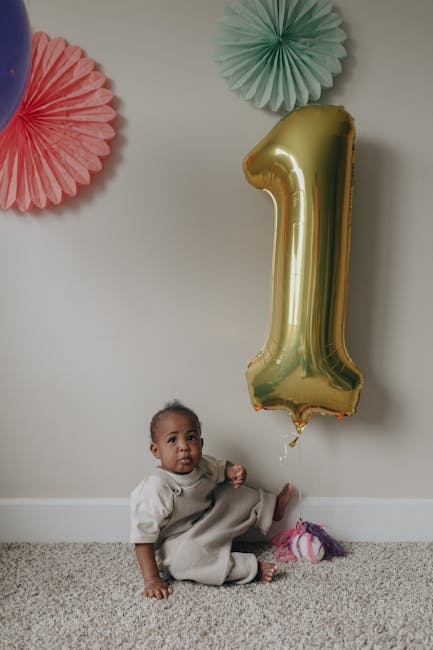
Babies are vulnerable to diseases due to their developing immune systems. With so many potential risks, such as viruses, bacteria, and infections. That is why, among the most important things to keep in mind as a new parent is ensuring your baby stays healthy and protected.
One of the most effective ways to protect your baby is through vaccination. Vaccines are essential in safeguarding your baby from serious, preventable diseases that could otherwise affect their health and development.
This blog will guide you through the essential vaccines your baby needs during their first year. We’ll explain why these shots are necessary, when they’re given, and how they work to strengthen your baby’s immunity.
Why Vaccination is Important for Your Baby
Vaccinations are one of the most significant advancements in modern medicine. They work by stimulating the body’s immune system to produce a response to specific pathogens without causing the disease itself.
Vaccinating your baby not only protects them from potentially life-threatening illnesses, but it also helps protect the larger community by creating what’s known as herd immunity.
Without vaccines, diseases like measles, whooping cough, and polio could spread easily, putting babies and other vulnerable individuals at risk. Vaccinating your baby according to the recommended schedule helps to ensure that these diseases do not return to your community.
Birth to 2 Months: The First Round of Immunizations
The first round of immunizations starts at birth, and many vaccines are given in the first two months. These early vaccines help protect against serious diseases that could be dangerous in a baby’s early months.
1. Hepatitis B (HepB) – Dose 1
- When: Within 24 hours of birth
- Why: Hepatitis B is a viral infection that can affect the liver and potentially cause long-term damage. The first dose is given shortly after birth to protect your baby from the virus at the earliest stage.
- What It Does: The vaccine helps your baby’s immune system recognize and fight the hepatitis B virus.
2. Rotavirus (RV) – Dose 1
- When: At 2 months
- Why: Rotavirus is a virus that causes severe diarrhea, dehydration, and vomiting, which can be very dangerous for young babies.
- What It Does: This vaccine protects your baby from the rotavirus infection and helps reduce the likelihood of severe gastroenteritis.
3. Diphtheria, Tetanus, and Pertussis (DTaP) – Dose 1
- When: At 2 months
- Why: These three diseases can cause severe complications like difficulty breathing, seizures, and even death, especially in infants.
- What It Does: The DTaP vaccine helps your baby’s body build immunity against these diseases.
4. Haemophilus influenzae type b (Hib) – Dose 1
- When: At 2 months
- Why: Hib bacteria can lead to infections like meningitis, pneumonia, and epiglottitis, which can be life-threatening, especially for babies.
- What It Does: This vaccine helps prevent infections caused by Hib, particularly those affecting the brain and lungs.
5. Pneumococcal Conjugate (PCV13) – Dose 1
- When: At 2 months
- Why: Pneumococcal infections can lead to pneumonia, meningitis, and blood infections, which are all serious and potentially fatal.
- What It Does: PCV13 protects your baby from these infections by training the immune system to recognize the Streptococcus pneumoniae bacteria.
6. Inactivated Poliovirus (IPV) – Dose 1
- When: At 2 months
- Why: Polio can cause irreversible paralysis, especially in young children.
- What It Does: The IPV vaccine protects your baby from poliovirus, preventing paralysis and potential long-term health problems.
7. Influenza (Flu) – Annual Vaccine
- When: Starting at 6 months (every year thereafter)
- Why: Influenza is a contagious viral infection that can lead to serious complications in babies, such as pneumonia or hospitalization.
- What It Does: The flu vaccine reduces the risk of infection and complications by boosting your baby’s immunity against flu viruses.
4 to 6 Months: Continuing Protection
At 4 months, your baby will receive follow-up doses of the vaccines given at 2 months. These doses help reinforce immunity and provide longer-lasting protection.
- DTaP – Dose 2
- Hib – Dose 2
- PCV13 – Dose 2
- IPV – Dose 2
- RV – Dose 2
6 to 12 Months: Preparing for the First Year Milestones
By the time your baby reaches 6 months, they’re beginning to experience more interactions with the world around them. This is a key time for immunization, as their body continues to build immunity.
1. DTaP – Dose 3
- When: At 6 months
- Why: Reinforces the protection against diphtheria, tetanus, and pertussis, ensuring ongoing immunity.
2. Hib – Dose 3
- When: At 6 months
- Why: Continued protection against Hib bacteria, which can cause serious infections like meningitis.
3. PCV13 – Dose 3
- When: At 6 months
- Why: Ensures ongoing protection against pneumococcal infections.
4. IPV – Dose 3
- When: At 6 months
- Why: Boosts protection against polio.
5. Influenza – Annual Vaccine
- When: Starting at 6 months (annually thereafter)
- Why: Protects against seasonal flu.
12 Months: Important Final Vaccines of the First Year
At 12 months, your baby will receive several vaccines that are critical for long-term immunity and protection from common childhood diseases.
1. Measles, Mumps, and Rubella (MMR) – Dose 1
- When: At 12 months
- Why: Measles, mumps, and rubella can cause serious complications like hearing loss, brain damage, and birth defects.
- What It Does: The MMR vaccine protects your baby from these diseases and ensures long-term immunity.
2. Varicella (Chickenpox) – Dose 1
- When: At 12 months
- Why: Chickenpox can cause severe itching, fever, and complications like pneumonia.
- What It Does: This vaccine protects your baby from developing chickenpox and its associated risks.
3. Hepatitis A – Dose 1
- When: At 12 months
- Why: Hepatitis A is a liver disease caused by a virus, which can lead to fever, abdominal pain, and jaundice.
- What It Does: The vaccine helps your baby’s body defend against the hepatitis A virus.
Preparing for Vaccines: What Parents Should Know
As you prepare for your baby’s vaccinations, keep these helpful tips in mind:
- Timing Is Key: Stick to the recommended vaccination schedule to ensure your baby is protected at the right time.
- Watch for Side Effects: Vaccines can sometimes cause mild side effects, like a low fever or irritability, which are typically short-lived.
- Talk to Your Pediatrician: If you have concerns or questions about any vaccines, talk to your baby’s pediatrician. They can provide guidance and address any issues.
Conclusion
Vaccinating your baby during their first year is one of the most important things you can do to keep them healthy and safe. These vaccines will protect your baby from serious diseases and help ensure their long-term health and well-being.
Keep track of the vaccination schedule and stay in close communication with your pediatrician to make sure your baby receives all the necessary shots at the appropriate times. Early protection through vaccination is a gift that will help your child grow up healthy and strong.
FAQs
1. What happens if my baby misses a vaccine dose?
If your baby misses a dose, consult your pediatrician immediately. They will advise on how to catch up with the missed vaccinations, ensuring your baby remains protected.
2. Are vaccines safe for babies?
Yes, vaccines are safe and thoroughly tested. They are rigorously evaluated for safety and effectiveness before being recommended for use in children.
3. Can vaccines cause side effects in babies?
Most side effects are mild, like swelling at the injection site or a slight fever. Serious side effects are extremely rare, but if you’re concerned, speak with your healthcare provider.
4. Can my baby get vaccines if they are sick?
It depends on the severity of your baby’s illness. Mild illnesses like a cold are typically okay, but serious illnesses or fever may delay vaccination. Always consult your doctor.
5. Why are multiple vaccines given at once?
Multiple vaccines are often given in one visit to ensure timely protection. Research shows that receiving multiple vaccines at once is safe and effective for babies.