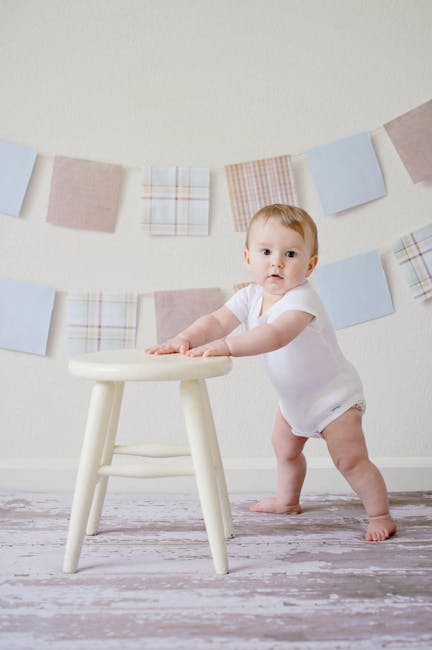
The first year of your baby’s life is filled with magical milestones and rapid changes. From their first smile to their first steps, every moment is a testament to how much they’re growing and learning.
As a new parent, it can feel overwhelming trying to keep track of everything, sleep patterns, eating habits, developmental progress, and more. But don’t worry! Keeping an eye on your baby’s growth and development during this exciting year is easier than it seems.
In fact, tracking these milestones can help you understand your baby’s needs, celebrate their progress, and spot any potential concerns early on.
In this blog, we’ll guide you through how to track your baby’s growth and development, month by month, and give you some helpful tips along the way.
1. Tracking Physical Growth
Your baby’s physical growth is one of the most noticeable changes during the first year. From the moment they’re born, you’ll likely see dramatic weight gain, height growth, and changes in head circumference.
Weight and Height
At each pediatrician visit, your baby’s weight and height (or length) will be measured to ensure they are growing at a healthy rate. Most babies double their birth weight by 4–6 months and triple it by their first birthday. Regular checkups help you keep an eye on these changes.
Head Circumference
Your baby’s head circumference is also measured during checkups to ensure healthy brain development. In the first year, the brain grows rapidly, and changes in head size will reflect this. Be sure to track these measurements at each appointment.
2. Tracking Milestones in the First Year
While your baby’s physical growth is important, so is their developmental progress. Tracking developmental milestones can help you understand what is typical and when to be concerned.
Months 1 to 3
In the first few months, your baby will begin to exhibit early signs of interaction with the world around them. Look for:
- Head control: By 1–2 months, your baby should start lifting their head during tummy time.
- Reflexes: Your baby will have strong reflexes, like the rooting reflex and grasp reflex.
- Social smiles: Around 6–8 weeks, your baby will begin to smile in response to others, signaling the start of social development.
Months 4 to 6
During the 4–6 month range, your baby will become much more interactive and begin to reach for things, roll over, and show increased awareness of their environment:
- Tummy time: By 4 months, most babies can hold their chest up during tummy time and roll over.
- Hand-eye coordination: By 5 months, your baby might start reaching for objects and putting them in their mouth.
- Laughing and vocalizing: You may hear your baby giggling and babbling as they begin to experiment with sounds.
Months 7 to 9
From 7 to 9 months, babies become more mobile and are learning to explore:
- Sitting up: By 6–8 months, your baby should be able to sit up with little or no support.
- Crawling: By 9 months, many babies start crawling, signaling the beginning of independent mobility.
- Social interaction: Your baby may begin to show more awareness of people, including developing stranger anxiety.
Months 10 to 12
By the end of the first year, your baby will likely begin to take their first steps and explore their world even more:
- First steps: Around 12 months, some babies start to take their first steps or cruise along furniture.
- Talking: Your baby may say their first words like “mama” or “dada” around 10–12 months.
- Pointing: By 12 months, your baby might begin pointing to objects of interest.
3. Tracking Feeding and Sleeping Habits
Feeding and sleeping are key aspects of your baby’s development in the first year, and tracking them can give you insight into their health and well-being.
Feeding
In the first few months, you’ll be focused on either breastfeeding or formula feeding. Tracking the frequency of feedings, the amount of milk your baby consumes, and any changes in feeding patterns is important for ensuring they’re getting enough nutrition. By 6 months, most babies will begin to eat solid foods, and it’s important to track how they adjust to different textures and tastes.
Sleeping
Tracking your baby’s sleep patterns is crucial, as sleep plays a big role in their growth and development. Newborns sleep up to 16 hours a day, but by the end of their first year, babies often sleep between 12 and 14 hours with naps during the day. Keep an eye on the following:
- Sleep consistency: Look for signs of a consistent sleep schedule developing.
- Self-soothing: By 6 months, many babies can begin to self-soothe, allowing them to sleep longer stretches.
- Sleep training: As your baby approaches 6–9 months, you can start introducing sleep training techniques if needed to help them settle into a more consistent sleep routine.
4. Keep a Baby Journal or Growth Chart
One great way to track your baby’s growth and milestones is by keeping a baby journal or using a growth chart. You can log daily or weekly notes on their feeding, sleeping, and developmental progress. This helps you:
- See patterns over time
- Record special moments and milestones
- Keep track of doctor’s visits, vaccinations, and any concerns or questions
Many pediatricians will provide growth charts to track your baby’s height, weight, and head circumference against typical growth patterns. You can use these charts to visualize your baby’s growth compared to the averages for their age.
5. When to Seek Professional Help
While most babies develop at their own pace, it’s essential to keep an eye out for any delays or signs that your baby may need additional support. If you notice any of the following, consult your pediatrician:
- Not reaching key milestones: For example, not rolling over by 6 months or not sitting up by 9 months.
- Extreme difficulty feeding: If your baby struggles to feed or shows a lack of interest in eating after 6 months.
- Excessive irritability: If your baby is unusually fussy or showing signs of discomfort without any apparent reason, it may indicate a health issue.
- Abnormal movements or postures: If your baby is not showing typical movement patterns, such as crawling or reaching, by 9 months, it may be worth discussing with your doctor.
Remember that each baby develops at their own pace, but it’s always best to seek advice if you’re unsure about their progress.
6. Celebrating Your Baby’s Milestones
Tracking your baby’s growth and development is not just about monitoring their health; it’s also about celebrating every little milestone they achieve. From their first smile to their first step, these moments are precious and worth acknowledging.
Take the time to celebrate each milestone, whether it’s with a special photo, a memory book, or simply sharing the joy with family and friends. These milestones are the foundation for your baby’s future development and growth, and they’re moments you’ll cherish for a lifetime.
Conclusion
Tracking your baby’s growth and development in the first year is not only essential for monitoring their physical and emotional health but also a way to celebrate all the little victories along the way.
By paying attention to their physical changes, feeding and sleeping habits, and developmental milestones, you can ensure they’re on the right track. Don’t forget that each baby develops at their own pace, so be patient and enjoy the journey.
FAQs
1. When should my baby start rolling over?
Most babies start rolling over between 4 and 6 months, but some may take a bit longer. If your baby is not rolling over by 6 months, it’s a good idea to discuss this with your pediatrician.
2. What should I do if my baby isn’t sleeping through the night?
It’s common for babies to wake during the night, especially in the first few months. However, by 6 months, many babies begin sleeping for longer stretches. If your baby is older and not sleeping through the night, consider discussing sleep training with your pediatrician.
3. How do I know if my baby is eating enough?
If your baby is gaining weight steadily and has a healthy number of wet diapers (about 6–8 per day), they’re likely eating enough. If you have concerns about their feeding habits, consult your pediatrician.
4. Is it normal for my baby to have a flat head?
Flat head syndrome, or positional plagiocephaly, is common in babies who spend a lot of time lying on their backs. If you’re concerned, try offering supervised tummy time during the day to help with their head shape. Consult your doctor if it persists.
5. Should I be worried if my baby is not reaching milestones on time?
Each baby develops at their own pace, but if your baby misses key milestones (like rolling over, sitting up, or talking) by 6 months, it’s worth consulting your pediatrician to rule out any underlying issues.