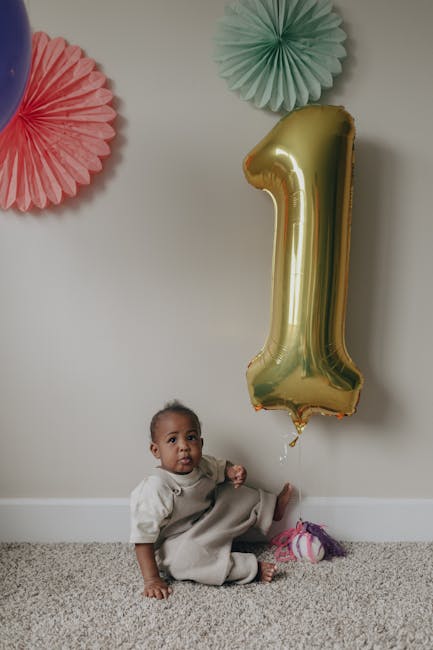
Category: Parenting Tips

Celebrating Your Toddler’s First Major Milestones

There’s nothing quite like watching your little one grow and reach those incredible milestones. As a parent, it can feel like every day brings something new.  It can be that first smile, the first word, or the first time they roll over. 

These moments not only mark your child’s progress, but they also signify how much you’ve supported and nurtured their development. Celebrating each of these milestones strengthens your bond and reminds you of how far you’ve come together as a family. 

In this blog, we’ll dive into the major milestones that are so special to both you and your child and explore how to embrace and celebrate each one.

Physical Milestones

The first physical milestones are often the most exciting for parents to celebrate. From the moment your little one starts showing signs of strength, coordination, and mobility, it’s clear they’re growing quickly. Every physical milestone is an important step toward independence.

First Steps

One of the most exciting milestones is when your child takes their first steps. It often happens around the 9–12-month mark, but every child is different. 

You’ll see them go from crawling to standing and then finally walking. Each of these actions shows their growing confidence and coordination. It’s a thrilling moment for parents to watch.

Celebrating First Steps

  • Take lots of photos and videos! These first steps are a moment you’ll treasure forever.
  • Clap and cheer to encourage their confidence. Positive reinforcement builds their trust in themselves.

Hand-Eye Coordination

By the time your toddler is reaching for objects, stacking blocks, or scribbling with crayons, they are improving their hand-eye coordination. These activities are building the fine motor skills necessary for independence and daily tasks.

Celebrating Hand-Eye Coordination:

  • Provide a variety of safe objects for them to explore with their hands—like soft blocks or large, colorful buttons.
  • Celebrate their progress with high fives and praise when they complete a task, like stacking their first tower of blocks.

Cognitive Milestones

Cognitive milestones are just as thrilling as physical milestones because they reflect how your child is learning, understanding, and interacting with the world around them. Their ability to process information and start problem-solving begins to take shape.

Cause and Effect

Around the 6–12-month mark, your child will start to understand cause and effect. They may learn that pressing a button makes a toy light up or that shaking a rattle makes a noise. 

These small discoveries are essential as they help your child understand how the world works.

Celebrating Cause and Effect

  • Encourage these “aha” moments by giving them toys that make sounds or light up when activated.
  • Celebrate by showing excitement when they figure something out, reinforcing their learning.

Imitation

Your toddler is now starting to imitate the actions of those around them. Whether they’re pretending to talk on the phone, stirring a spoon in a bowl, or playing with a toy in the same way you do, these imitative behaviors show their growing social awareness.

Celebrating Imitation

  • Play pretend games with them. Let them imitate actions like cooking, cleaning, or even watering plants.
  • Praise them for their creativity and enjoy these fun, bonding moments.

Emotional Milestones

As your child grows, they will begin to express a wider range of emotions. Recognizing and managing these emotions is an essential part of their development, and understanding their emotional milestones can help you support them in healthy ways.

Separation Anxiety

Around 8–12 months, it’s common for toddlers to experience separation anxiety. They may cry when you leave the room or when you drop them off at daycare. This is an important milestone as it reflects their attachment to you.

Celebrating Emotional Milestones

  • Offer comfort and reassurance, and use a consistent goodbye routine to help ease transitions.
  • Celebrate their resilience by recognizing small steps toward independence, like waving goodbye.

Showing Empathy

By the time they are 2 years old, toddlers can begin to show empathy. They might comfort a friend who’s upset or try to share their toy with another child. These small acts of kindness reflect their emotional growth and understanding of others.

Celebrating Empathy:

  • Praise them for showing concern for others.
  • Encourage them to continue expressing empathy by reading books about feelings or playing games where they care for a toy or stuffed animal.

Language and Communication Milestones

One of the most exciting aspects of toddler development is watching your child begin to communicate. From first words to full sentences, language milestones are milestones you’ll remember forever.

First Words

By the age of 12 months, many toddlers start saying their first words, such as “mama,” “dada,” or other simple words like “bye-bye.” These are huge moments in a child’s development because they signal the beginning of verbal communication.

Celebrating First Words

  • Repeat their words back to them and add more words to build their vocabulary.
  • Celebrate by clapping and offering positive reinforcement to help encourage them.

Stringing Words Together

By 2–3 years, many toddlers will begin to combine two or more words into simple sentences. Phrases like “more juice” or “big truck” are common at this stage. It shows their growing ability to express needs and desires more clearly.

Celebrating New Sentences

  • Encourage your toddler to speak by asking questions and responding in simple sentences.
  • Celebrate by praising their attempts at communication—acknowledge their effort even if they’re not quite saying things perfectly.

Conclusion

Watching your toddler reach their first major milestones is one of the most rewarding experiences as a parent. From physical achievements like walking to emotional growth like empathy, each milestone represents the amazing ways your child is evolving. 

As you celebrate these special moments, remember to be patient and supportive, offering encouragement and praise along the way. These milestones are just the beginning, and your toddler’s journey will continue to be filled with discoveries, challenges, and triumphs.

FAQs

1. When should I be concerned if my toddler isn’t reaching milestones?

If your toddler seems significantly behind in key areas like walking, talking, or social interactions, it’s best to consult with your pediatrician for advice and guidance.

2. How can I encourage my toddler’s language development?

Engage in conversations, read books together, and describe everyday activities to help expand their vocabulary and communication skills.

3. My toddler doesn’t like to share. Is that normal?

It’s completely normal for toddlers to be possessive of their toys, as they’re still learning about sharing and empathy. Encourage sharing with positive reinforcement, but be patient.

4. How can I help my toddler with separation anxiety?

Establish a consistent and reassuring goodbye routine, keep goodbyes brief, and offer comfort when your toddler shows distress.

5. What are some simple ways to celebrate my toddler’s milestones?

Take photos, offer praise, and create fun family rituals to make each milestone special, whether it’s their first steps or first words.
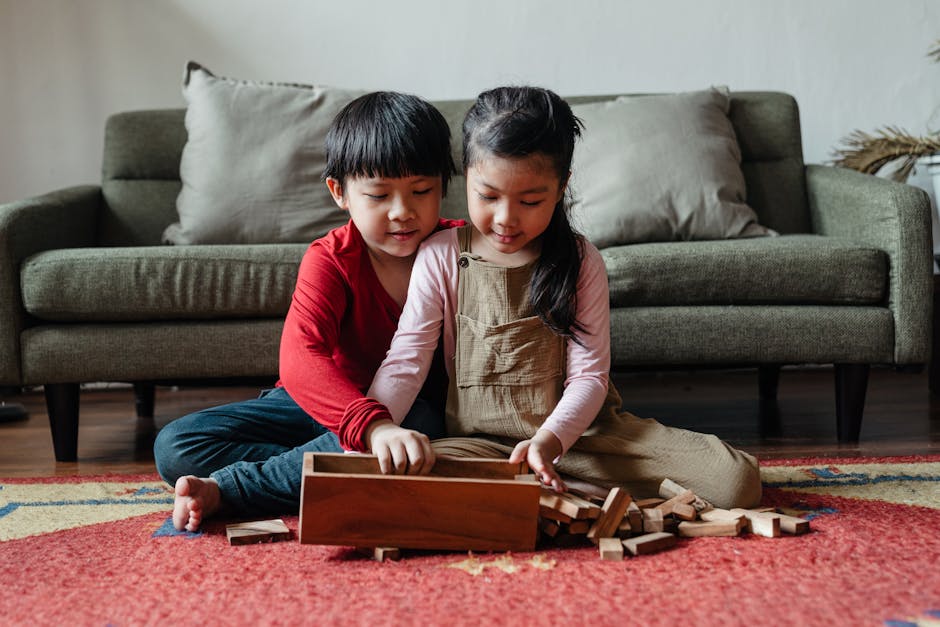
How to Keep Your Toddler Safe at Home and Outdoors

With their growing curiosity, boundless energy, and rapidly developing skills, toddlers often find themselves in potentially dangerous situations, at home or outdoors. 

The problem is that toddlers are naturally curious and eager to explore their environment, but their ability to understand and avoid hazards isn’t fully developed yet. As a result, everyday activities that seem harmless to us can pose risks to them.

You can significantly reduce the risks and keep them safe by taking simple yet effective steps to childproof your home and teaching them about safety while outdoors. 

Safety at Home: Babyproofing Your Living Space

Your home should be a haven for your toddler. However, it’s easy to overlook everyday hazards that might seem harmless to adults but can be dangerous for curious little ones. Here are some practical tips for making your home toddler-safe:

1. Secure Furniture and Appliances

Toddlers love to climb, and even seemingly stable furniture can tip over if a toddler pulls on it. To prevent accidents:

  • Anchor heavy furniture like bookshelves, dressers, and TVs to the wall.
  • Ensure that appliances like microwaves or stovetops are out of reach or have safety locks.

2. Cover Sharp Edges

Toddlers are still developing their coordination, so they may accidentally run into sharp furniture edges. Cover sharp corners and edges of tables, counters, and chairs with soft bumpers.

3. Keep Hazardous Items Out of Reach

Cleaning supplies, medications, and small objects that could be a choking hazard should always be stored in high cabinets with childproof locks. Keep sharp objects like knives, scissors, and even hairpins safely away from your toddler.

4. Install Safety Gates

If you have stairs in your home, safety gates are a must. These should be installed at both the top and bottom of the stairs to prevent falls.

5. Plug Socket Covers

Electrical outlets are a major hazard for toddlers. Use plug socket covers to prevent curious hands from getting shocked. Additionally, keep cords and wires tucked away, especially from electrical appliances.

6. Safe Sleeping Environment

For sleeping, ensure that your toddler’s crib has no loose bedding, pillows, or stuffed animals, as they can pose a suffocation risk. The mattress should fit snugly in the crib with no gaps, and the crib’s slats should be no more than 2 3/8 inches apart to prevent your toddler from getting stuck.

Outdoor Safety: Playtime with Protection

Outdoor activities provide your toddler with valuable physical exercise, fresh air, and the chance to learn about the world. However, outdoor play also comes with its own set of risks. Here’s how to keep your toddler safe when they venture outside:

1. Supervise Play at All Times

One of the most important aspects of outdoor safety is constant supervision. Whether they’re playing in the yard or at the park, be sure to stay within arm’s reach. Accidents can happen quickly, so it’s important to be present and attentive.

2. Choose Safe Play Equipment

Ensure that any playground equipment your toddler uses is age-appropriate. Look for equipment that’s designed for toddlers, with soft landing surfaces like grass or rubber flooring. Avoid play structures with sharp edges, and make sure slides and swings have protective barriers.

3. Sun Protection

Toddlers have sensitive skin, so always apply sunscreen with SPF 30 or higher before heading outside, even on cloudy days. Opt for baby-safe sunscreens that are free from harsh chemicals. Dress your toddler in lightweight, long-sleeved clothes and a hat to protect them from direct sunlight.

4. Teach Road Safety Early

If your toddler is walking with you, teach them the basics of road safety. Hold their hand when crossing streets, and always use crosswalks. As they grow, you can start teaching them the importance of looking both ways before crossing and waiting for traffic lights.

5. Avoiding Choking Hazards

When playing outdoors, especially in places like parks or playgrounds, be aware of small objects that could pose a choking risk. Watch out for small stones, plastic pieces, or toys left behind by other children.

6. Proper Footwear

When outside, your toddler should wear appropriate footwear to protect their feet. Soft shoes with a good grip will help them avoid slipping and falling while running or climbing.

Teaching Your Toddler About Safety

While babyproofing and making your home and outdoor spaces safe is essential, it’s also important to start teaching your toddler about safety. 

Though they may not fully understand complex rules, simple lessons can start laying the foundation for a lifetime of awareness.

Introduce Safety Rules Gently

Start teaching basic safety rules in a simple and fun way. For example:

  • We walk, not run, near the road.
  • Let’s look both ways before we cross.
  • Keep your toys away from the stairs.

Model Safe Behavior

Children learn by watching, so set a good example. Demonstrate how to handle hot surfaces, cross the street, and use safety equipment like helmets or seatbelts.

Reinforce Positive Behavior

When your toddler follows a safety rule, offer praise or a small reward. Positive reinforcement encourages them to repeat safe behaviors in the future.

Conclusion

Your toddler’s safety, both at home and outdoors, should always be a priority. By babyproofing your home, using safety gear, supervising play, and teaching your toddler about basic safety rules, you can ensure a safe environment where they can explore and grow without unnecessary risks. 

FAQs

1. How can I keep my toddler safe in the car?

Always use an age-appropriate car seat and ensure it’s properly installed. Rear-facing car seats are safest for toddlers under 2 years old. Never leave your toddler alone in the car.

2. How can I prevent my toddler from getting into household cleaners?

Store cleaning products in high cabinets with childproof locks. Avoid storing them in places where your toddler can easily access them.

3. Should I let my toddler play outside alone?

No, toddlers should always be supervised while playing outside. Accidents can happen quickly, so it’s important to stay within close reach and keep an eye on them at all times.

4. What should I do if my toddler falls and gets hurt?

Assess the injury. If it’s a minor bump, comfort them and apply ice. For serious injuries (like a head bump or large bruise), consult a doctor immediately.

5. How can I make my outdoor play area safe?

Ensure the ground is soft, with grass or rubber mats, and check equipment for sharp edges. Install safety gates around hazardous areas like pools or stairs.

Best Games to Boost Your Toddler’s Physical Development

Have you ever wondered how to make the most of your toddler’s boundless energy? While it might feel like they’re always running, jumping, or climbing, this stage of life is the perfect opportunity to help them build the physical strength and balance they need for future growth.

It’s important for you to provide them with activities that support their physical development while also being fun and engaging.

In this blog, we’ll share exciting and easy games that will help boost your toddler’s physical skills, from strengthening muscles to improving motor coordination. 

So, let’s start the fun!

1. Tummy Time

Although tummy time is often associated with infants, it’s an essential practice for toddlers, too. It strengthens the muscles in the neck, shoulders, arms, and back, helping your child with their future movements like crawling, walking, and running.

How to Play

  • Lay your toddler on their tummy and encourage them to lift their head and chest off the ground.
  • Use toys or your voice to encourage them to turn their head, look around, and push up higher.

Benefits

Tummy time is great for developing core strength, which is the foundation for almost every movement. As your toddler grows, tummy time helps improve posture, balance, and coordination.

2. Obstacle Course

An obstacle course is an exciting way to improve your toddler’s balance and coordination. You can create a simple course with pillows, furniture, and soft toys.

How to Play

  • Set up a safe obstacle course using items like cushions, chairs, and blankets.
  • Encourage your toddler to climb over pillows, crawl under chairs, and balance along a line of tape on the floor.

Benefits

Obstacle courses help toddlers practice gross motor skills, such as running, jumping, and climbing. It’s also a fantastic way for them to strengthen muscles and gain confidence in their abilities.

3. Dancing and Movement: Shake, Shake, Shake

Toddlers love to move, and dancing is one of the best ways to boost their physical development while having fun. Dancing helps with balance, rhythm, and coordination.

How to Play

  • Put on some fun music and dance with your toddler. Encourage them to clap, stomp their feet, or wiggle their body to the beat.
  • Play freeze dance, where your toddler has to freeze when the music stops.

Benefits

Dancing is an excellent activity for improving your toddler’s body awareness and coordination. It also helps strengthen their legs, arms, and core muscles, as they practice different movements.

4. Ball Play

Ball play is one of the best games for toddlers to enhance their physical development. It promotes hand-eye coordination, motor skills, and balance.

How to Play

  • Start with a soft ball and encourage your toddler to roll, toss, or kick the ball.
  • As they get more comfortable, introduce new activities like throwing the ball into a bucket or bouncing it.

Benefits

Ball games teach toddlers how to track objects, improve their grip, and develop control over their limbs. Kicking, tossing, or rolling a ball all involve full-body coordination and help toddlers build strength and agility.

5. Walking or Running Races

Toddlers love a little competition, and races are a fun way to help your child build strength and endurance. Whether it’s a simple walking race or a full sprint, running games promote muscle development in the legs and help toddlers practice balance and coordination.

How to Play

  • Have a race across the room or outside. Encourage your toddler to run from one point to another, either alone or with a family member.
  • Use fun prompts like Can you run like a bunny? Or let’s race to the tree!

Benefits

Running races are perfect for improving your toddler’s gross motor skills and muscle strength. They also help with coordination, agility, and developing control over movements.

6. Climbing and Sliding

Climbing and sliding on playground structures or even at home help toddlers develop balance, muscle strength, and confidence in their physical abilities.

How to Play

  • If you have a play structure at the park, encourage your toddler to climb up steps or crawl through tunnels.
  • At home, use a soft surface like a bed or couch to practice climbing up and sliding down (safely, of course!).

Benefits

Climbing helps build strength, especially in the arms and legs. Sliding helps with balance and coordination, which are vital for future physical development.

7. Pushing and Pulling Toys

Pushing and pulling toys help toddlers develop the muscles needed for walking, running, and even carrying heavy objects as they grow older. These toys also encourage toddlers to practice balance and coordination.

How to Play

  • Give your toddler a toy they can push or pull, such as a wagon, stroller, or a toy with wheels.
  • Encourage them to move the toy around the house or take it outside for a walk.

Benefits

These activities help toddlers improve upper-body strength and leg strength, and they also encourage foot-eye coordination as your child learns to guide the toy along different paths.

8. Bubble Chasing

Chasing bubbles might seem like just a fun activity, but it’s actually a great way to improve your toddler’s agility, footwork, and speed.

How to Play

  • Blow bubbles and encourage your toddler to chase them around the yard or living room.
  • Make it a fun challenge by asking your toddler to catch the bubbles before they pop!

Benefits

Bubble chasing promotes quick movements, balance, and flexibility as toddlers chase the bubbles around. It also helps with reaction time and teaches them to run and stop quickly.

9. Jumping Games

Jumping is a great way for toddlers to develop leg strength, balance, and coordination. Simple jumping exercises can be done indoors or outdoors, and they’re sure to get your toddler moving.

How to Play

  • Encourage your toddler to jump over small objects or to hop in place.
  • You can also jump with them and challenge them to jump higher or further.

Benefits

Jumping builds leg muscles and encourages coordination. It’s a simple but effective way to improve your toddler’s physical strength and motor skills.

Conclusion

Physical development in toddlers is incredibly important for their overall growth, and games are one of the most enjoyable and effective ways to foster these skills. But the key is to make these activities fun and interactive, ensuring that your toddler not only improves their physical abilities but also enjoys the process.

So, get ready to jump, run, and play. It’s all part of helping your toddler grow strong and confident!

FAQs

1. How often should my toddler be active?

Toddlers need at least 3 hours of physical activity spread throughout the day, including both active play and quiet time.

2. Is it okay for my toddler to do activities like jumping?

Yes! Jumping helps strengthen leg muscles and improve balance. Just make sure they are supervised during such activities to avoid falls.

3. What are some activities for my toddler if we’re stuck indoors?

You can try indoor games like building a fort, playing with soft balls, or creating an obstacle course using pillows and blankets.

4. Should my toddler participate in structured exercise?

While structured exercise is great, unstructured play (like running, climbing, or dancing) is just as important for physical development at this stage.

5. How can I encourage my toddler to be more active?

Engage with them during playtime. Run with them, dance, or play ball. Make activities fun and interactive to keep them excited about moving!

Easy and Healthy Toddler Meal Ideas for Busy Parents

As a parent with a busy schedule, finding the balance between quick meals and nutritious options for your toddler can feel like a challenge. With toddlers constantly on the move, it’s important to make sure they’re getting the nutrition they need to fuel their growth, development, and energy levels. 

But let’s face it. Between work, household chores, and daily routines, who has time to prepare complicated meals?

The good news is that you don’t have to spend hours in the kitchen to make healthy meals for your little one. With a little planning and a few creative ideas, you can serve up meals that are both nutritious and toddler-friendly.

Why Healthy Meals Are Essential for Toddlers

The first few years of your child’s life are critical for their physical and mental development. Providing a well-balanced diet during this time ensures that your toddler has the energy and nutrients to grow strong and healthy. Nutrient-rich foods also play a key role in:

  • Brain development: Proper nutrition helps with cognitive and motor skill development.
  • Immune function: A healthy diet helps support your toddler’s immune system, making them less susceptible to illnesses.
  • Energy and mood regulation: Balanced meals help maintain steady energy levels throughout the day, reducing irritability or mood swings caused by hunger.

Eating well also helps establish good habits that will benefit your child for years to come. The goal is to offer a variety of foods to help them develop healthy eating habits early on. Let’s get to the ideas for easy, nutritious meals!

Quick and Healthy Breakfast Ideas

1. Avocado Toast with Egg

  • Ingredients: Whole grain bread, half an avocado, 1 egg, olive oil, salt, and pepper.
  • How to Make: Toast a slice of whole-grain bread, mash half an avocado with a little olive oil and seasoning, and spread it on the toast. Top with a fried or scrambled egg for an added protein boost.
  • Why It’s Healthy: Avocados provide healthy fats, and eggs are rich in protein and iron. The perfect way to start the day off right.

2. Banana Pancakes

  • Ingredients: 1 ripe banana, 1 egg, 1/4 cup whole wheat flour, a dash of cinnamon, and a splash of milk.
  • How to Make: Mash the banana and mix with the egg and flour until smooth. Add cinnamon and a little milk to get the batter to your desired consistency. Pour the mixture onto a non-stick skillet and cook the pancakes until golden.
  • Why It’s Healthy: This pancake recipe is naturally sweetened with bananas and is a great source of fiber and potassium, perfect for an energizing breakfast.

Easy Lunch Ideas for Toddlers

3. Vegetable Quesadilla

  • Ingredients: Whole wheat tortilla, shredded cheese, mixed vegetables (spinach, bell peppers, zucchini), olive oil.
  • How to Make: Sauté mixed vegetables in a little olive oil. Place the veggies on one half of the tortilla, add a sprinkle of cheese, then fold and cook in a skillet until golden brown and the cheese is melted.
  • Why It’s Healthy: The vegetables provide vitamins and minerals, while the whole wheat tortilla gives your toddler extra fiber. You can sneak in different vegetables that your little one might not always love!

4. Turkey and Cheese Roll-Ups

  • Ingredients: Sliced turkey breast, cheese slices, whole wheat crackers, and a few cucumber slices or baby carrots.
  • How to Make: Lay the turkey slices flat, place a slice of cheese inside, and roll them up. Serve with whole wheat crackers and a few slices of veggies on the side.
  • Why It’s Healthy: This is a great protein-packed lunch with minimal prep, and the veggies help boost fiber intake.

Healthy Snack Ideas for Busy Parents

5. Yogurt with Fruit and Granola

  • Ingredients: Plain Greek yogurt, fresh fruit (berries, banana slices), and homemade or store-bought granola.
  • How to Make: Layer the yogurt, fruit, and granola in a bowl. You can customize it with your toddler’s favorite fruit.
  • Why It’s Healthy: Greek yogurt is packed with protein and calcium, while fresh fruit provides important vitamins. The granola adds a crunchy texture and fiber.

6. Apple Slices with Nut Butter

  • Ingredients: 1 apple, almond or peanut butter (make sure it’s free of added sugar and salt).
  • How to Make: Slice the apple and serve it with a small side of nut butter for dipping.
  • Why It’s Healthy: The fiber in the apple and the healthy fats from the nut butter make for a satisfying and nutritious snack.

Dinner Ideas That Are Easy to Prepare

7. Chicken and Veggie Stir-Fry

  • Ingredients: Chicken breast, mixed veggies (carrots, broccoli, bell peppers), low-sodium soy sauce, olive oil.
  • How to Make: Sauté the chicken breast in olive oil, then add the vegetables and stir-fry until tender. Add a little soy sauce for flavor and serve over brown rice or quinoa.
  • Why It’s Healthy: Chicken provides lean protein, while veggies add fiber and essential nutrients. Brown rice or quinoa offers whole grains and additional protein.

8. Baked Salmon with Sweet Potato

  • Ingredients: 1 salmon fillet, sweet potato, olive oil, salt, and pepper.
  • How to Make: Season the salmon fillet with olive oil, salt, and pepper, and bake at 375°F for about 15–20 minutes. Roast the sweet potato with a drizzle of olive oil until tender.
  • Why It’s Healthy: Salmon is rich in omega-3 fatty acids, which support brain development, and sweet potatoes are high in vitamins A and C. It is the best food for boosting your toddler’s immune system.

Conclusion

Feeding your toddler doesn’t have to be stressful, even on your busiest days. With a little planning and a few simple ideas, you can serve up healthy, balanced meals that support your child’s growth and development. 

The best part is that these meals are toddler-approved and designed to be quick, so you can focus on enjoying the time with your little one without the mealtime battles.

FAQs

1. How can I get my picky toddler to eat more vegetables?

Try adding veggies into smoothies, casseroles, or pasta sauces. Offering vegetables with a fun dip like hummus may also encourage them to eat more.

2. Is it okay to give my toddler snacks between meals?

Yes! Healthy snacks are an essential part of your toddler’s diet. Just make sure to offer nutritious options like fruit, yogurt, or whole-grain crackers to keep them full and energized.

3. Can I start introducing meat to my toddler’s diet?

Yes, around 8-10 months, you can begin introducing soft, well-cooked meats like chicken and turkey. Be sure to cut the meat into small, manageable pieces to avoid choking hazards.

4. How much milk should my toddler be drinking each day?

By 12 months, your toddler should be drinking about 16 to 24 ounces of milk each day, in addition to solid foods. This will provide them with the necessary calcium and vitamin D.

5. How can I encourage my toddler to try new foods?

Be patient and consistent. Offer new foods alongside familiar favorites, and try different preparation methods. It may take several attempts before your toddler accepts a new food.

Dealing with Toddler Tantrums: Why They Happen and How to Respond

If you’ve ever felt your patience tested by your toddler’s tantrum, you’re certainly not alone. Tantrums are a natural part of toddler development, and while they can be frustrating, they’re also an essential phase in your child’s emotional and social growth. 

But as a parent, knowing why they happen and how to respond calmly and effectively is key to helping both you and your toddler navigate this challenging time.

In this blog, we’ll explore why toddlers throw tantrums, the underlying emotions and developmental stages at play, and provide practical strategies for handling tantrums with patience and understanding. 

Why Do Toddlers Have Tantrums?

Tantrums are common in children, especially between the ages of 1 and 3 years, as they begin to develop independence but still struggle to manage their emotions. Understanding the root causes of these outbursts can help you approach them with greater patience and insight.

1. Limited Communication Skills

One of the primary reasons toddlers throw tantrums is that they cannot fully express their emotions or needs. At this stage, toddlers are still learning how to use language to communicate. 

Frustration can build up when they feel they’re not being understood, leading to a tantrum. Whether it’s hunger, discomfort, or wanting something they can’t have, their inability to verbalize their needs can cause a meltdown.

2. Overwhelm and Sensory Overload

Toddlers are still developing the ability to filter out unnecessary stimuli. A busy or noisy environment, too many toys, or even a day full of activity can overwhelm your toddler, leading to a tantrum. 

Overstimulation can cause stress and frustration, which they release through crying or outbursts.

3. Desire for Independence

As toddlers grow, they start to realize their autonomy and want more control over their environment. However, their emotional and cognitive abilities haven’t yet caught up with their desires. 

When they can’t have control over a situation, whether it’s something simple like picking out their clothes or something more significant, frustration can lead to a tantrum.

4. Emotional Regulation Is Still Developing

By nature, toddlers are learning how to manage their emotions. Emotional regulation, such as the ability to manage and control feelings like anger, frustration, and sadness, is not fully developed until later in childhood. 

During tantrums, your toddler is simply expressing what they’re feeling, but they don’t yet have the skills to manage those feelings effectively.

How to Respond to Toddler Tantrums

Now that you understand why tantrums occur, let’s look at effective ways to respond when your toddler is in the midst of one. While tantrums are inevitable, your response can either escalate or defuse the situation.

1. Stay Calm and Consistent

It’s easy to get frustrated when your toddler is upset, but it’s crucial to stay calm. Your toddler is looking to you for guidance in managing their emotions. If you remain composed, it helps them feel more secure and teaches them how to handle frustration healthily.

  • Take deep breaths if you’re feeling overwhelmed.
  • Keep your voice calm and steady, and avoid yelling or getting visibly upset.
  • Respond the same way each time so your child knows what to expect.

2. Acknowledge Their Feelings

Rather than dismissing your toddler’s emotions, it’s essential to acknowledge them. Saying something like, I know you’re upset because you can’t have that toy right now, helps your toddler feel understood and validated. 

This approach teaches them that it’s okay to feel frustrated, but it’s also important to express those feelings healthily.

  • Use simple language: “I see you’re mad because we can’t go outside right now.”
  • Offer physical comfort, like holding their hand or hugging them, if they’re open to it.

3. Distract and Redirect

Sometimes, a toddler’s tantrum can be defused by simply redirecting their attention. This tactic works especially well if your toddler is upset about something that isn’t a big deal in the grand scheme of things.

  • Offer a favorite toy or object to distract them.
  • Change the environment. Take them to a different room, go outside, or change the activity to something they enjoy.
  • Offer a fun or calming activity like reading a book or playing with a favorite game.

4. Set Clear Boundaries and Stick to Them

If your toddler’s tantrum is the result of them not getting their way, it’s essential to establish and maintain clear boundaries. 

For example, if they’re throwing a tantrum because they can’t have a snack before dinner, calmly explain the rule and hold firm.

  • Be firm but gentle in your response: “I know you want the cookie, but we will have dinner soon. We can have the cookie after.”
  • Offer choices when possible: “Do you want to sit here quietly or would you like to play with your blocks?”
  • Avoid giving in to tantrums, as this reinforces the behavior and makes it harder to manage in the future.

5. Give Them Space to Calm Down

Sometimes, toddlers need a little time to cool off. If your child’s tantrum is escalating, it’s okay to let them calm down on their own for a few minutes. 

Make sure they’re in a safe place where they can’t hurt themselves, and stay nearby to offer comfort if needed.

  • Don’t leave them alone during a tantrum; just give them some space to calm down.
  • Once they’ve calmed down, revisit the situation and acknowledge their feelings again.

6. Use Positive Reinforcement

After your toddler has calmed down, praise them for their efforts to manage their emotions. Positive reinforcement encourages the behavior you want to see more of and helps your toddler feel good about handling a challenging situation.

  • “I’m proud of you for calming down. Next time, we can try using our words instead of getting upset.”
  • Offering rewards for positive behavior, like small stickers, extra playtime, or a special activity, can reinforce good behavior.

Conclusion

Tantrums are a normal part of toddler development, and though they can be challenging, they offer valuable learning opportunities. By staying calm, acknowledging your toddler’s feelings, and offering gentle guidance, you can help them navigate their emotions. 

Every toddler is different, so it may take some time to find what works best for your child. But with the right approach, you’ll help your toddler learn how to manage their emotions and positively handle frustration.

FAQs

1. What should I do if my toddler’s tantrum is becoming violent?

If your toddler is hitting, kicking, or becoming physically aggressive, calmly hold their hands and guide them to a safe space to calm down. Talk to them in a gentle voice about how their actions are not acceptable. If this persists, seek guidance from a pediatrician.

2. How can I avoid tantrums altogether?

It’s impossible to completely avoid tantrums, but setting clear expectations, offering choices, and sticking to routines can help prevent some meltdowns. Avoiding overstimulation and ensuring your toddler isn’t too hungry or tired also minimizes tantrum triggers.

3. How can I tell if my toddler’s tantrums are normal?

Tantrums are a normal part of development and happen due to frustration or the inability to express feelings. If your toddler’s tantrums are lasting long or happening very frequently, consider consulting with your pediatrician.

4. Should I ignore my toddler’s tantrum?

Ignoring a tantrum can sometimes be effective if it’s being used for attention. However, make sure your toddler feels heard afterward and acknowledge their emotions. Complete ignoring can make them feel rejected.

5. When is the right time to start teaching my toddler emotional regulation?

You can start teaching emotional regulation as soon as your toddler begins to express their feelings. Simple phrases like “You’re upset because we can’t go outside right now,” and calming techniques can begin to lay the foundation.

How to Pair Casual Baby Shoes with Different Outfits

The perfect pair of shoes is the cherry on top of your little one’s outfit. For babies under 12 months, shoes not only enhance the baby’s outfit’s charm but also provide comfort and protection. 

The right pair of shoes is lightweight, soft, as well as flexible, to allow natural foot development, while considering style.

Casual baby shoes are available in a variety of designs and colours, making them easy to match with rompers, dresses, or even semi-formal attire.

More and more parents are selecting trendy yet practical choices for their babies.

In this guide, we will discover how to pair casual baby shoes with different outfits in Pakistan, ensuring style and comfort for all occasions.

Types of Casual Baby Shoes to Pair with Different Outfits 

Casual baby shoes come in various styles, each designed to combine comfort, protection, and adorableness.  Each type of baby shoe has its own look and purpose.

The following list includes some top options from MomYom, along with outfit pairing options, to help you style your baby in the best manner.

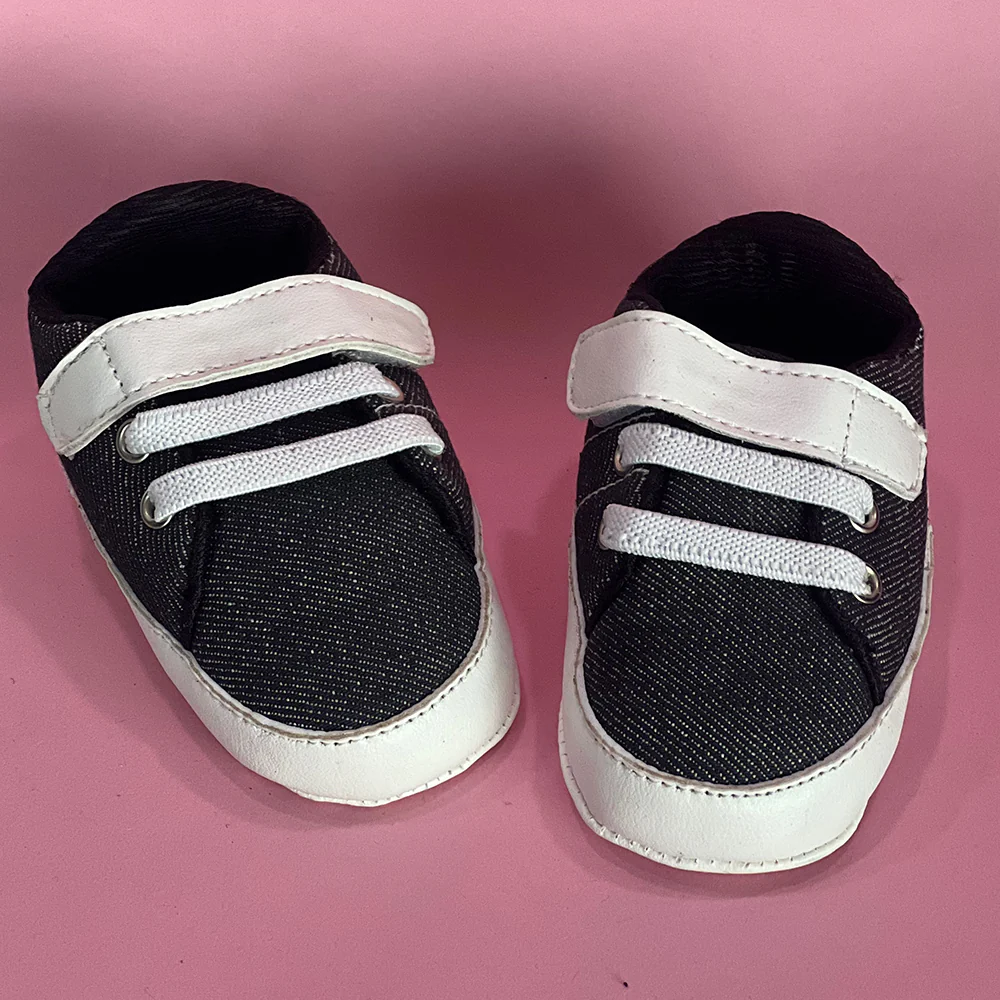
  1. Textured Bold Lace‑Up Sole Shoes

The textured, bold lace-up sole shoes are stylish options, yet built with the baby’s comfort in mind. The textured rubber sole provides grip for early walkers, while the laces up front help adjust comfort. 

The shoe’s upper material is soft, flexible, and breathable. It is great for cooler weather or indoor play, too.

Outfit Pairing Ideas:

  • Pair the shoes with cotton overalls and a ribbed long-sleeve top, during a casual day at home.
  • Combine them with baby jeans or slacks, plus a soft tee for family visits.
  • Style the pair of shoes with a knitted cardigan and pants, and add a matching cap for a semi-formal gathering.
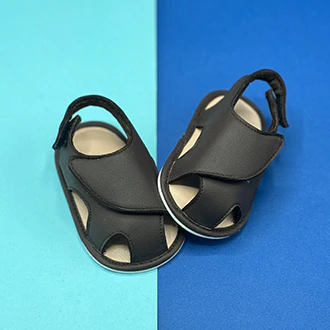
  1. Tiny Strap Matte Booties

Tiny strap matte booties combine both design and comfort to provide elegance. The shoes include an upper matte finish, with a secure strap to keep the bootie on the little one’s foot.

It also consists of a soft cushioned insole, plus ga gentle lining to prevent irritation. The baby’s shoes are also quite lightweight.

Outfit Pairing Ideas:

  • Amazing with a cotton romper and knit cap for daily comfort.
  • Pair the shoes with a soft sweatshirt during cooler evenings.
  • Match the booties with a collared onesie and cardigan for family visits or semi-formal events.
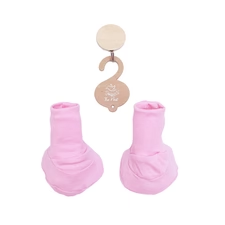
  1. Newborn Baby Booties

The newborn baby booties are made of rib-knit fabric. These babies are soft, stretchy, and quite gentle for newborn feet. The breathable knit makes sure the air circulates and helps prevent sweating. The design makes it easy to put on and take off.

Outfit Pairing Ideas:

  • A beautiful match with plain or patterned sleepsuits at bedtime.
  • Pair the booties with soft cotton pants and a long-sleeve onesie for daytime.
  • During cooler events, add a knit sweater, and use these green booties for warmth.
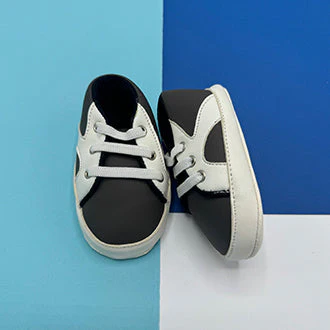
  1. Stripe Lace Booties 

These striped lace booties include two bold stripes for a sporty/classic look. It also consists of soft soles and a flexible body. 

The shoes are built to be both decorative plus functional, with a secure fit and non-restrictive materials.  It is suitable for both boys and girls.

Outfit Pairing Ideas:

  • Pair with a matching striped top or hoodie for an adorable, coordinated look.
  • Wear the shoes under overalls or dungarees so that the stripes show.
  • Align with denim or cotton shorts and a graphic tee for casual day outings.
  1. Cherry Blossom Booties

The cherry blossom booties are made of soft embroidery and charming print. The shoes use soft upper material, cozy inner lining, plus a flexible sole.

The cherry blossom shoes are perfect for baby girls and include a decorative touch to the little one’s daily wear.

Outfit Pairing Ideas:

  • Combine with pastel dresses or frilly rompers.
  • Pair the shoes with neutral leggings or a bodysuit.
  • Pair with a cardigan or shrug for cooler indoor wear.
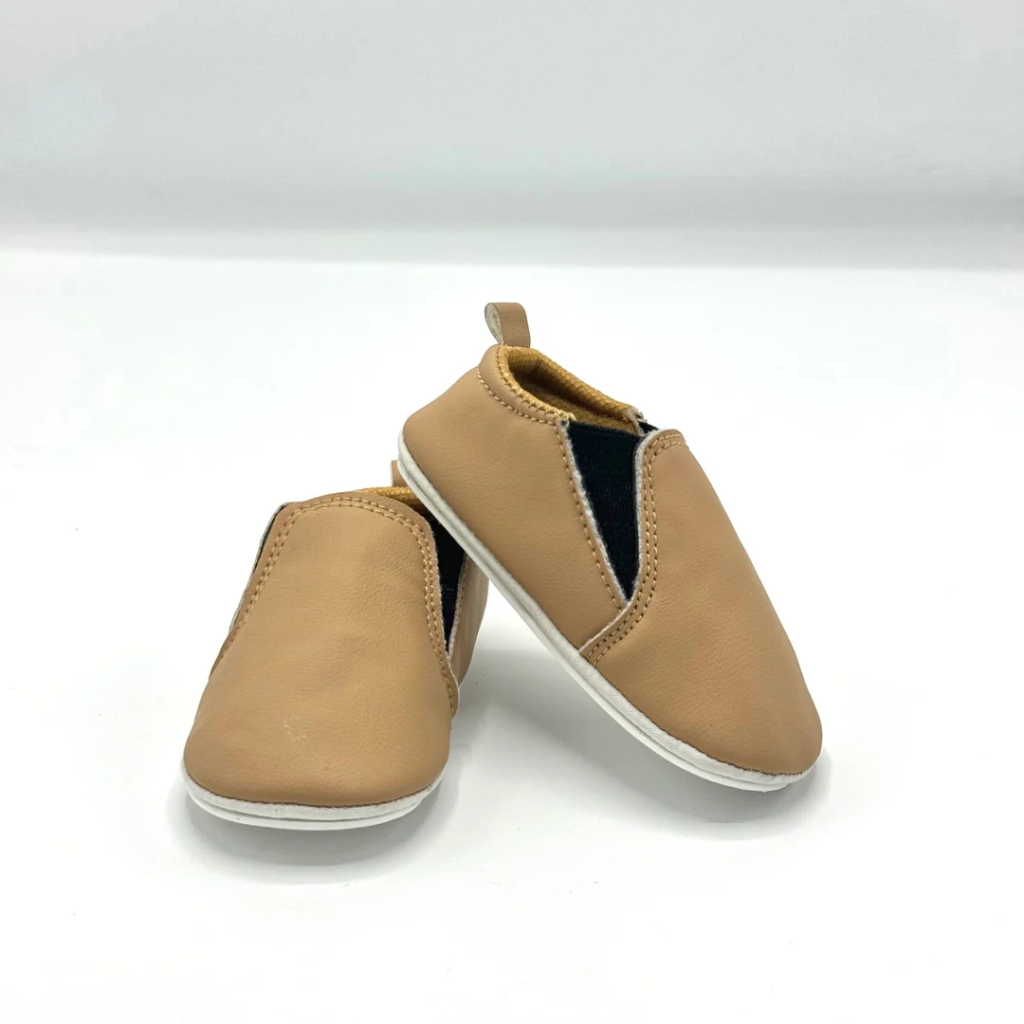
  1. Slip On Baby Boy Booties

These slip-on baby booties are tailored for convenience, making dressing simpler. The tiny shows are made of durable and soft materials. They protect the baby’s feet while also allowing them to kick freely.

The shows include subtle styling, to match easily with several outfits.

Outfit Pairing Ideas:

  • Pair the shoes with sporty outfits for casual outings.
  • Wear them with knitted pants and a pullover for cool morning strolls.
  • Match with romper sets for home or travel.
  • Combine with romper sets for home or travel days.

Why do Casual Shoes Matter

For babies under 12 months, casual shoes provide warmth, protection, and a fashionable touch. The shoes are lightweight and flexible, supporting crawling, standing, as well as a baby’s first steps.

Key Reasons Why They Matter 

  • Soft shoe soles protect delicate feet from cold floors, dust, or uneven surfaces.
  • Breathable fabrics stop sweating, while cushioned shoe insides keep babies comfy.
  • Adorable designs complement daily clothes, from rompers to dresses.
  • Simple closures, such as straps or slip-ons, save time when dressing active babies, hence adding convenience. 
  • Flexible shoes allow natural movement, supporting the baby’s early crawling plus walking, aiding in development.

Tips When Choosing Shoes for Different Outfits

Selecting the right pair of baby’s shoes is about comfort, safety, and style. Babies grow quite fast, and their feet are especially delicate in the first year, so choosing shoes that support natural movement is important. 

Styling and Comfort Tips to Keep in Mind

  • Prioritize comfort with soft and flexible soles.
  • Opt for neutral shades for a simple outfit match.
  • Keep both sporty and dressy shoe pairs in rotation.
  • Match shoe details, such as bows or stripes, with outfit styles.
  • Choose protective closures like Velcro for comfy fits.
  • Select breathable fabrics to prevent sweaty feet.


These casual shoe tips can make every look both practical as well as adorable.

Conclusion

Pairing a baby’s shoes with casual outfits is quite easy, but selecting the correct pair is vital for both comfort and style. Everyday wear baby shoes provide flexibility, breathability, and a fashionable appeal. This allows babies to wriggle freely and also look cute.

The best shoes combine practicality with style, from sporty outdoor wear to soft crib shoes. By choosing the perfect shoes for different outfits, parents can create lovely looks for everyday or special occasions.

The right pair of footwear ensures that even the simplest attire looks fabulous, while keeping your little one smiley and snug.

FAQs

How to match footwear with clothes?

Choose shoes that combine both color and style for a coordinated get-up. Always prioritize comfort, since babies need flexibility for movement and growth. A good balance guarantees your baby looks fashionable while staying safe.

Do black shoes go with every outfit?

Yes, black shoes are very versatile and pair easily with several baby clothes. From casual rompers to formal dress sets, these shoes create a polished finish. They’re a must-have in every baby’s shoe shelf.

Do white shoes go with every outfit?

White shoes add a clean and classic touch that blends with almost any type of clothes. They work well for both boys and girls. The neutral shade makes them a timeless and flexible option for formal and casual wear.

How to pair multicolor shoes?

Coordinate multicolor shoes with outfits that include one of the colors from the design. You can also stick with neutral clothing to let the shoes show. This balance maintains the playful, yet stylish look of the shoes.

How to choose shoes for a baby?

Opt for lightweight shoes made of breathable fabrics to avoid sweaty feet. Flexible soles aid in healthy foot development and make walking simpler. Always make sure the shoes are a snug but cozy fit with closures, such as velcro.

The Building Blocks of a Healthy Diet for Preschoolers

Food is the most important building block for your growing preschoolers. It helps them in learning and staying active, too. Preschool years are the time when your children are the most curious and require nutrition more than ever. 

Providing them with a balanced diet ensures that they stay high on energy all the time and can focus on learning. The most important thing is that the right diet keeps your preschooler away from illnesses and diseases. 

We have especially prepared this guide for mothers’ convenience in understanding the building blocks of a healthy diet for their preschoolers. The best gift we mothers can provide our children is a balanced diet. As it keeps them strong and active, they will thank you for it later on in their healthy lives. 

Importance of a Healthy Diet for Preschoolers

Growth and Development

The preschool age of your children is the one in which they grow fast, physically and mentally. Nutrients help in fueling their muscles and brains. This assists your child in playing and learning with maximum energy and strength. 

Brain Power

Brain sharpening is done by food that is rich in iron and vitamins. Healthy fats are also known to boost brain power. Your preschooler can better concentrate and pick up new skills with a well-fed brain and a balanced diet of all their nutrients. 

Immunity Building

Illnesses and diseases are repelled by a strong diet. Preschoolers who have a daily strong intake of vitamins and minerals stay safe from falling sick often and develop a healthy immune system at a very young age. 

Formation of Lifelong Habits

Mothers should know that what they feed their children at this age is what sets their taste for life. This is the golden time for you to introduce them to veggies and fruits so that they form their eating habits around such healthy foods.

Important Nutrients for Preschoolers 

Your preschooler’s diet should consist of not one but a mixture of different nutrients to keep them on a balanced and healthy diet. Remember that excessive intake of just a single nutrient can also cause problems, no matter how healthy it is. 

Here is a breakdown of different important nutrients: 

Macronutrients

  1. Proteins:
  • It is also known as the growth builder
  • Helps in growing tall and strong
  • Found in eggs, chicken, lentils, yogurt, and fish etc. 
  1. Carbohydrates: 
  • These are providers of energy
  • Helps in fueling your child’s playtime and learning
  • Found in oats, bread, rice, fruits, and potatoes etc. 
  1. Fats: 
  • They help in boosting brain functions
  • Keeps the hormone balanced
  • Found in avocados, nuts, seeds, oil, and fish etc. 

Micronutrients

  1. Vitamins: 
  • Vitamin A sharpens your child’s eyesight and is found in carrots and pumpkins, etc. 
  • Vitamin C helps in healing faster and can be found in oranges, strawberries, etc. 
  • Vitamin D powers bones and makes them stronger. These are found in milk and fortified foods, etc. 
  1. Minerals: 
  • Calcium keeps your bones and teeth strong. Dairy products and green leaves have calcium in them. 
  • Iron helps in boosting brain health and also prevents your child from being tired. Meat and beans are a good example. 
  • Zinc provides immunity and can be found in nuts and seeds. 

Daily Nutritional Needs of Preschoolers

NutrientDaily Requirement (Approx.)Best Food Sources
Calories1,200–1,600 kcalBalanced meals & snacks
Protein13–19 gEggs, poultry, beans
Carbohydrates130 gFruits, grains, veggies
Fats30–40% of daily caloriesNuts, avocado, oils
Calcium700 mgMilk, cheese, yogurt
Iron7 mgMeat, cereals
Vitamin D600 IUSunlight, milk
Fiber19 gFruits, whole grains

The Five Essential Food Groups

  1. Fruits

These are also known as nature’s candies. Fruits are sweet and colorful. You will find them full of vitamins. Mangos and apples are loved by almost everyone. Bananas and berries are not far behind. Find out what your child’s favorite fruit is and make sure to feed it to them daily. 

  1. Vegetables

No balanced diet is complete without veggies. This food group is packed with nutrients and fiber. Broccoli and spinach are the most powerful ones. Carrots and others have the importance of their own. Kids resist vegetables, so mothers should mix them into pasta or soups, etc.

  1. Grains

These act as the fuel for your preschooler’s playing and learning. Whole grains like oats and rice are better than the refined ones. Feeding grains to your children keeps them energized the whole day. 

  1. Proteins

These are essential nutrients for the growth of muscles and bones. Food like chicken and eggs is rich in protein and provides your child with enough nutrients in this food group. 

  1. Dairy

Dairy products provide calcium and vitamin D. These are helpful in boosting muscle energy and strengthening bones. Milk and yogurt are its best examples. Some children do not like bland milk, so you can try mixing fruits in it and making milkshakes for your preschoolers. 

A Sample Daily Meal Plan for Preschoolers

MealIdeas
BreakfastOatmeal and milk, or scrambled eggs with whole wheat toast
Morning SnackYogurt with strawberries or mango slices
LunchGrilled chicken or spaghetti with brown rice and mixed veggies
Afternoon SnackCheese cubes with crackers
DinnerVegetable soup with bread, or fish with mashed potatoes and carrots

Preschooler Feeding Tips for Moms

  • Feed your children on colorful plates so that the kids find it attractive and eat more enjoyably. 
  • Offer your kids small meals on small plates instead of using big plates that might overfeed them.
  • Give them candies and sweets during special occasions and avoid feeding them these daily. 
  • Encourage them to drink water more than other drinks. 
  • Let kids help in the kitchen and during meal preparations. They might start seeing for themselves the importance of a healthy diet this way. 

Common Problems with Feeding Preschoolers

  • Some children are picky eaters, and that’s okay. You can tackle this by offering them small bites of something you want to feed them, and they might eventually give it a try. 
  • Allergies can be caused in your children by some foods. Watch out for such and talk to your pediatrician for safer alternatives. 
  • During busy days, you might not get time to prepare healthy food. Keep fruits sliced at all times and feed them to the preschoolers on busy days. 

Foods to Watch Out For

Mothers should always be aware of what’s good and what’s not to feed their children. Sugary drinks like soda are bad for health and should be avoided, unless there is a party or another special occasion. 

Salty synthetic snacks like packet chips can also be harmful for growing children, as they have so many chemicals in them. Fast food cannot be avoided much, but try to keep it limited to certain days and events. 

Some Benefits of a Healthy Diet

Here are some benefits of a healthy diet for your preschooler: 

  1. Their bones and teeth will strengthen with time. 
  2. They can focus better at school and have a better learning opportunity.
  3. Illnesses and diseases will maintain their distance from your child.
  4. They will grow up to have a healthy lifestyle. 

Conclusion

Feeding your preschooler can be fun when you are aware of the healthy and unhealthy diets. The right mix of fruits and veggies will have your child growing and glowing. Adding proteins and dairy products to it completes the diet. 

The preschooler age is the age of growth, and your feeding plays the most important role in this age. So be very careful with their diet and lay out a healthy, balanced diet for them, both for now and the future. 

STEM Learning for Kids: Where and How to Begin

STEM learning focuses on science, technology, engineering, and mathematics, which is a central part of a child’s education. It instills curiosity, builds problem-solving skills, and equips children with skills needed for a fast-paced world.

Parents and educators typically wonder how to begin STEM education. Balancing exploration with creativity and allowing children to fail and redo builds the initial step towards science-based learning.

The exciting part is that STEM learning doesn’t have to be confusing or costly; rather, several activities can be performed at home, making learning a fun activity.

This blog explores practical ideas, STEM activities for kids, age-related suggestions, and hands-on tasks to make learning easily accessible and enjoyable for every kid.

The Impact of STEM Education

STEM learning is not limited to academic concepts; in fact, it is about creating a mindset. 

It leads children to think critically, solve problems on their own, along with real-life applications of what they learn.

Some key benefits include:

  • Encouraging curiosity, plus innovation.
  • Building teamwork through group projects.
  • Fostering resilience when activities don’t turn out as planned.
  • Educating children to apply science and math in practical ways.

With these advantages, STEM becomes a lifelong skill set rather than just a school subject.

Introducing STEM to Kids

Step one in STEM learning is fostering discovery. Children should be able to ask questions and try out ideas. Everyday materials, such as paper, cardboard, or balloons, become tools for creativity. 

The child should learn to plan, experiment, and reflect rather than only looking for the right answer. This nurtures curiosity and problem-solving.

Beginning with STEM:

  • Encourage curiosity and open-ended queries
  • Utilize simple household materials for hands-on activities
  • Focus on exploring, instead of perfection
  • Plan, test, and reflect 

STEM Activities for Students

  1. Bridge Building

Children can build bridges by using straws, popsicle sticks, or cardboard to check for sturdiness and durability. 

This teaches engineering fundamentals and innovative problem-solving.

  1. Mini Volcano Reaction

For a volcano-like reaction, children can mix baking soda with vinegar to demonstrate chemical reactions enjoyably and dramatically.

This makes bubbles and releases gas, making a great science experiment.

  1. Coding Adventures

To gain early exposure to computational thinking, kids can design animations, storyboards, or games.

With such computing platforms,  a student is equipped with the first step of learning how to code and program.

  1. Marble Mazes


Students can design tracks for marbles by putting together tubes and cardboard.  This activity leads to logical sequencing and design enhancement.

Creative Learning for Students at Home

  1. Kitchen-Based Chemistry 

Cooking showcases how science works in daily life. The measuring, mixing, and heating of ingredients introduces children to concepts like chemistry, fractions, as well as observation.

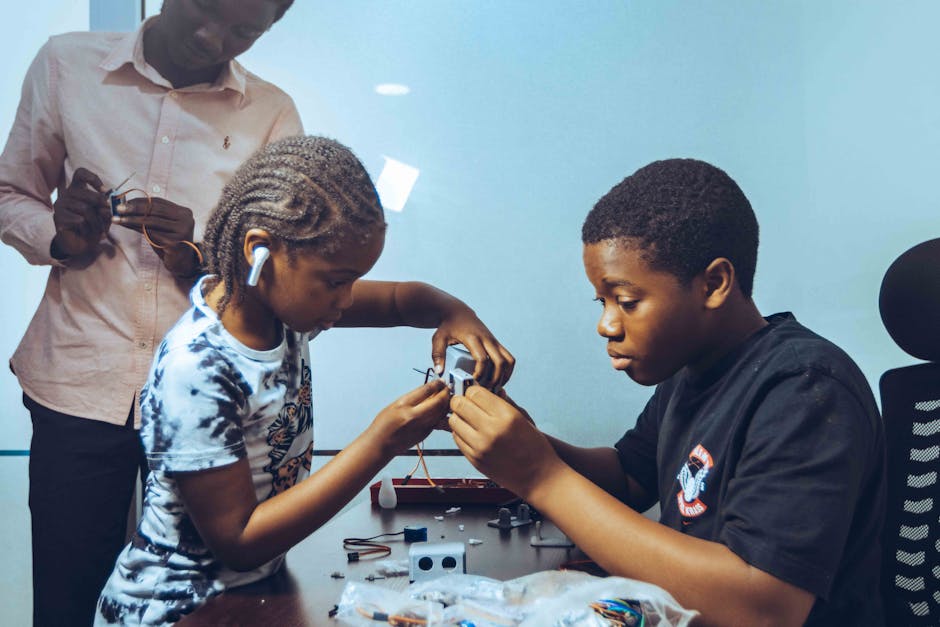
  1. Making Homemade Robots 

Household items, like boxes, buttons, or wires, can be used to make robot models. This sparks engineering creativity without the need for expensive materials.

  1. Nature Observations

An outdoor walk can imitate a science experiment. Students can strengthen their biology skills by being able to classify rocks, plants, or insects.

  1. Do-It-Yourself  Weather Tracking

STEM activities for students at home also include tracking the weather patterns. This is done by using simple tools, like jars, thermometers, or charts.

More STEM Activities for Kids at Home

  • LEGO Engineering: Building cars, towers, or bridges with LEGO introduces kids to structural design, plus innovation
  • Exploring Magnets: Kids can examine what materials attract or repel magnets, providing them with practical physics learning.
  • Playing with Shadows: By using lamps or sunlight, children can make and measure shadows, helping them learn about angles, light, and reflection.
  • Water Filtration: By filtering dirty water through layers of sand, cotton, and gravel, kids witness how science connects to real-world issues, such as access to clean water.

Easy STEM Activities with Paper

Paper is an excellent alternative for providing a child with STEM education if other sources aren’t available.

  1. Paper Airplanes

Folding paper into airplanes lets kids experiment with flying and gravity. Varying folds create different flight patterns.

  1. Origami Building

Folding paper into geometric designs introduces children to things like shapes, symmetry, plus precision.

  1. Paper Bridges

By folding or layering paper, one can see how flat sheets can gain strength to support smaller masses.

  1. Pinwheel Spinners

Paper and straws can help make spinners or windmills, showing how the movement of air produces motion.

Using Everyday Materials as STEM Tools

  • Ice Melting Activity: Put ice in different substances, such as salt, sugar, and sand, to observe how materials affect melting speed.
  • Soap Boats: Apply dish soap to cardboard boats to show surface tension and force.
  • Plant Growth Checking: Record seed germination over days to teach patience, biology, and how to collect data.
  • Make a Compass: Turn a needle into a magnet and watch it float on water, to study the Earth’s magnetic pull.

Categorizing STEM Activities by Age

The table shown below organizes STEM activities by age, matching learning tasks with stages of development and skills.

Examples of Activities and Skills

Age GroupExample ActivitiesKey Skills Learned
3–5 yearsSorting objects, mixing colors, blowing bubbles, and stacking towersCuriosity, sensory skills, problem-solving
6–8 yearsPaper airplanes, LEGO builds, sink-or-float tests, and shadow playLogical thinking, creativity, and engineering basics
9–12 yearsVolcano experiments, water filtration, marble mazes, and simple codingTeamwork, experimentation, and applied science
13+ yearsBridge design, DIY weather tracking, robotics, advanced codingCritical thinking, innovation, and technical skills

Each age group benefits from STEM learning differently, progressing from sensory play to logical thinking, experimenting, and enhanced problem-solving.

By aligning activities with a child’s developmental stages, you can better equip a child with engaging STEM education.

STEM Educating Tips for Parents and Teachers

Simple strategies help parents and teachers make STEM learning meaningful, engaging, and fun for children.

  • Encourage Questions: Let children question “why” and work together to discover answers.
  • Acknowledge Mistakes: Treat failed experiments as learning opportunities, instead of challenges.
  • Make Use of Common Routines:  Turn cooking, gardening, or even grocery shopping into lessons of STEM.
  • Offer Choices: Give kids activity options so that they become confident students.
  • Balance Technology: Introduce coding, plus digital tools, but balance with hands-on activities or games
  • Introduce Role Models: Share tales of scientists, inventors, and engineers to build curiosity and love for learning.

Conclusion

In conclusion, STEM learning is not only about memorizing, but also ignites curiosity and exploring things hands-on. Every activity develops problem-solving and innovative thinking.

Parents and teachers also play a role in enhancing science, technology, engineering, and mathematics education.

Teaching students about STEM means letting them make mistakes and learn. By redoing experiments over and over again, children learn patience, as well as establish learning opportunities for themselves.

In the end, proper STEM learning starts at home and builds the foundation of a child’s creative and critical reasoning skills.

FAQs 

How to teach kids STEM?

Educate kids about STEM through hands-on experiments, play-based tasks, and real-world problem solving that build a child’s curiosity. Use simple, daily materials to make the learning experience fun.

How to get started with STEM?

Start with easy activities like paper airplanes, LEGO building, or simple coding games. Focus on exploration, instead of perfection, to foster confidence, plus interest.

What is the best age to start STEM?

STEM can start as early as preschool (ages 3–5) with sensory play and easy experiments. The tip is to match activities with the stages of development. 

What is one of the beginning steps to a STEM lesson?

An excellent first step is asking an open-ended question or posing an issue. This stimulates curiosity and motivates children to brainstorm, predict, and examine their own creative ideas.

How to Prepare Your Preschooler for Kindergarten

Kindergarten marks the start of formal education. It is when a child is introduced to the alphabet, forms and pronounces words, as well as counts numbers. Starting Kindergarten is a milestone to celebrate a child’s academic growth. It brings excitement and anticipation for a brand new experience in the preschooler’s life.

However, Kindergarten is not just limited to academics; rather, it’s about nurturing independence, making friends, and developing long-lasting skills. Before beginning Kindergarten, it is best to prepare your child for it so that he or she is not left overwhelmed on their first day.

Introducing a new school environment to your then pre-schooler is about teaching routines, encouraging curiosity, and fostering confidence in what they can do. 

Let’s go through some ways and tips that will help guide your little one through kindergarten. 

10 Ways to Prepare Your Child for Kindergarten

To help your little one adjust to a structured class environment, you should start by building essential skills at home. This can create a sense of comfort and lead to an excitement for learning.  

Every parent wants their kid to be confident as he or she steps into their kindergarten class.

Below, we have listed ten strategies focused on both being ready for academics and personal growth.

1. Build Independence

Motivate your child to handle easy tasks independently, such as putting on shoes, washing hands, and tidying up their toys. 

These small responsibilities teach them self-reliance and increase confidence, which will be beneficial in a classroom setting.

2. Practice Communication Skills

Take part in conversations where your child shares thoughts, answers questions, and listens to others. 

Developing clear verbal communication helps your child express their needs and build social connections at school. This forms the base for positive interactions with teachers and classmates.

3. Introduce Early Language and Literacy 

Read aloud every day and point to words as you read. This will help your child recognize letters, sounds, and simple sight words. 

Reading habits build a love for books and support early literacy growth, which will make learning in the classroom more fun and enjoyable.

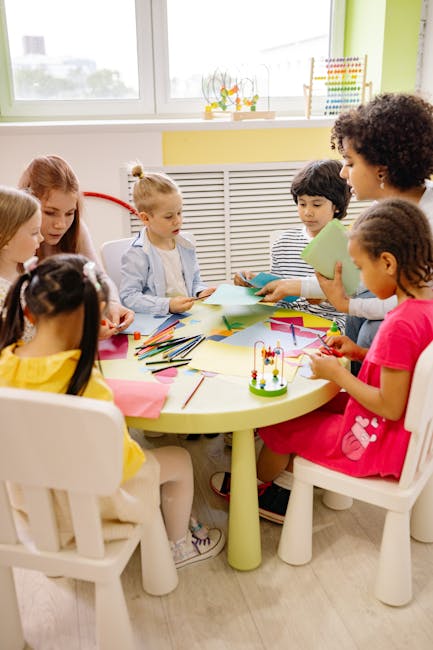
4. Enhance Fine Motor Skills

Coloring, cutting with child-safe scissors, stacking blocks, or stringing beads are activities that strengthen a child’s hand-eye coordination.

These develop fine motor skills and prepare children for writing and classroom projects, so that they are able to fully participate in everyday lessons.

5. Build Awareness of Numbers

Teach your little one how to count by counting objects at home, playing with puzzles, and so on.

For a strong math foundation, your child recognizing numbers and learning basic counting, early-hand is key, in helping him or her build confidence, when it comes to problem-solving.

6. Encourage Social Interaction

Arrange group activities or games, so your child learns sharing and turn-taking. Social skills are important in kindergarten due to teamwork and cooperation.

7. Develop Listening and Following Directions

Playing games that enhance listening and directions encourages a child to listen attentively and follow instructions in school.

Such skills are vital in a structured class setting.

8. Promote Problem-Solving Skills

Introduce simple challenges to your child that will make him or her think and create. This boosts critical thinking and readies your children to tackle new learning tasks with ease.

9. Form a Routine

Set a daily routine for your little one, which includes waking up early, meal times, and nighttime.

Having a schedule better prepares your pre-schooler to smoothly transition to school routines, without making it too stressful.

10. Boost Emotional Resilience 

Introduce your child to feelings and healthy ways to handle them. Teach how to manage frustration and ask for help. 

By learning to be comfortable when you are not around, your child is better able to go through the emotional challenges of kindergarten life.

Getting Ready for Kindergarten Activities 

Activities, which are play-based and interactive, aid in developing your child’s practical skills and confidence. Unlike structured preparation, these experiences encourage curiosity, problem-solving, plus social interaction, using a hands-on approach. 

Some of these activities are listed below:

  1. Sorting and Categorizing

Provide everyday objects, such as buttons, blocks, or toy animals, and tell your child to sort them by color, size, or type. 

This is a fun way to increase cognitive skills, teach organization, and introduce fundamental math concepts.

  1. Role-Playing 

Role-playing real-life scenarios, such as setting up a pretend shop, kitchen, or school, helps children practice social skills and build empathy.

It also helps them comprehend school routines.

  1. Treasure Hunts

Treasure hunts help children follow clues and find items. This develops attention to detail, teaches how to follow directions, and problem-solve.

  1. Building and Construction Play

Building or construction play, like constructing towers and shapes, is are activities that strengthen your little one’s spatial awareness.

It also enhances their hand-eye coordination and creativity.

  1. Music and Dance

Songs, rhythm games, and dance help in improving listening abilities, coordination, and following sequences.

All of these are essential for participating in class.

By incorporating these hands-on activities regularly, children develop readiness skills naturally and enjoy the learning process at the same time.

Signs Your Child Is Not Ready for Kindergarten

Regardless of your all-in efforts, your child may still struggle with certain skills. Every child develops at their own pace, and some may just need more time.

Recognizing signs that your child is not ready yet might aid you in providing support without any added stress.

  1. Struggles with Separation

If your child experiences separation anxiety when away from you, help them adjust to independent settings before entering the classroom.

  1. Issues with Following Directions

A child who is constantly struggling to listen or understand easy instructions may require extra support with attention and concentration before moving to a structured kindergarten class.

  1. Limited Social Abilities 

Your child needs more time to build social readiness in team environments if he or she avoids playing, has difficulty sharing, or displays regular outbursts.

  1. Delays in Communication

Difficulty speaking in full sentences, limited vocabulary, or challenges in expressing needs could indicate that more language practice is required to thrive in school.

  1. Little Interest in Learning

Showing a lack of curiosity about books, numbers, or problem-solving activities may mean your child isn’t really prepared for structured learning yet.

  1. Needs Assistance with Self-Care 

If your kid has trouble with basics, such as dressing, feeding, or toileting on their own, he or she may require more time before handling the kindergarten school environment.

Helping your Little One Get Ready at Home

If your preschooler shows signs of not being ready yet, it doesn’t mean they won’t be prepared later. Rather, this gives a chance to provide them with additional support.

Focus on small and consistent improvements to help your child gain the needed abilities for kindergarten success.

  • Provide extra practice in small sessions to build confidence slowly.
  • Gradually enhance exposure to group activities to strengthen social skills.
  • Be patient and celebrate even the tiniest bit of progress to instill optimism.

Conclusion 

Preparing your preschooler for kindergarten is about providing encouragement and celebrating independence.  It is not just about academics, but about building curiosity, being able to do things on their own, as well as emotional perseverance.

Establishing routines helps your little one feel secure, while home-based activities and games boost their confidence.

The tips above indicate ways to prepare your child for kindergarten, through different methods, and also support gradual growth.

Kindergarten is the first step to an academic life; therefore, building a foundation at home leads to increased chances of future success.

Risks of Excessive Screen Time for Preschoolers and How to Limit It

It has become difficult to keep children away from screens in this digital world. Kids require screens for cartoons and even some educational apps for online learning. But their usefulness turns harmful when used excessively. 

That is when the parents start worrying about the risks that are posed by excessive screen time for their kids, especially preschoolers. They have to find what these risks are and ways to limit them. 

We have specially prepared this blog for you to explore the risks of excessive screen time. You can discover how it affects preschoolers, along with some strategies for reducing screen time at home. 

Why Has Screen Time Become a Concern for Parents

Life has been made easier by the growing technology in many ways. Screens are a source of enjoyment for kids. However, when children spend hours glued to screens, the impact of screen time on their minds becomes concerning. 

Pediatricians and child psychologists have issued many warnings against the dangers of excessive screen time. This becomes particularly critical during the initial years of your child’s brain growth. 

But how can parents avoid screens, given that they are everywhere in TVs, tablets, and smartphones? Even some smart toys have screens. Outdoor games are healthy, while a screen’s stimulation hinders natural development when consumed in excess. 

What is the Appropriate Screen Time for Preschoolers 

When it comes to screen time for preschoolers, the American Academy of Pediatrics (AAP) suggests limiting it to no more than one hour per day for kids aged 2 to 5. The key here is quality. Make sure the content is educational and age-appropriate.

It’s important to remember that screen time shouldn’t take over other activities. Kids need time to play, read, and engage with others face-to-face. A balanced routine helps them grow and develop in all areas.

  • Choose high-quality content that sparks curiosity and learning.
  • Spend time together by co-viewing. Tthis way, you can discuss what’s happening on the screen and add your thoughts.

One thing to keep in mind is the timing. It’s a good idea to avoid screens during meals or right before bed, as this can disrupt sleep patterns. Setting up consistent routines and clear limits will help your child understand the importance of balance.

Risks of Too Much Screen Time for Kids

  1. Physical Health Issues
  • Constant screen time causes eye strain for your kid. It can lead to an increased risk of shortsightedness. 
  • Your child’s spine health can be affected. This happens when they sit hunched over for hours in front of the screen. It causes your kid to develop poor posture. 
  • There can be a risk of obesity or weight gain as screen time might replace active play time for your kids if they use mobile devices too much. 
  1. Lack of Sleep
  • Excessive screen time disturbs a preschooler’s natural sleep cycle. 
  • The blue light from screens makes it harder for kids to fall asleep. 
  • It affects your kid’s mood and concentration, hence affecting the overall development. 
  1. Brain Development

The effects of screen time on brain development are one of the most worrying concerns for parents. Your child’s brain grows rapidly in the initial years, and they need more real-world experiences to develop their brains in the right way. Overusing screens can cause hindrances in speeches and affect your child’s attention span.

  1. Emotional Concerns
  • Your child gets attached to devices and might throw tantrums when they get taken away.
  • Their social activities get very low, causing them to prioritize digital media over making friends. 
  • They become unable to control their emotions. 
  1. Academic Performance

Spending too much time online can affect your child’s academic life. Their homework routines can get hindered. Unrestricted use of the screen leads to distraction and poor academic outcomes for your child, even when being used for educational purposes. 

Signs Your Child May Be Getting Too Much Screen Time

  1. Your child starts prioritizing sitting in front of the screen over outdoor play.
  2. They start getting irritable when devices are taken away from them.
  3. Your kid is having trouble sleeping. 
  4. There is a decline in their academic performance. 
  5. They show very little interest in family time. 

Any of these signs, and you need to start focusing on limiting screen time of your child by re-establishing healthy boundaries. 

Tips for Reducing Screen Time

Create a Family Media Plan

Parents should set clear rules on how much screen time is healthy for their child. It should be based on the age of their children. Set specific times when devices are allowed to be used and when they are off-limits. The off-limit time should be implemented especially during meals and before bedtime. 

Lead by Example

Children learn from their parents. They will follow you if you stay glued to your phone. Decrease your phone usage in front of your child. 

Play with Toys 

Keep your preschooler engaged with toys. Toys are much better than screens. Playing with them can help your children stay physically healthy, too. Here are some toy options:

Encourage Off-screen Activities

Parents can provide fun options to get their child off the screen. Encourage them to play outdoors and sports. You can read books together and have family board games.

Use Technology Wisely

Avoid letting your child use phones unsupervised. You can enjoy screentime together with your kid when possible. Enabling parental controls to block harmful content from showing up in front of your child can also help. 

Helping Kids with Screen Limits

Here are some friendly ways to help your children with screen limits: 

  • Do not take away their devices abruptly. Instead, start by spending more time with them and playing outdoor and board games with them. This eventually leads to reducing screen time. 
  • Introduce hands-on activities for your child. Activities like building blocks and finger painting provide brain stimulation. 
  • Teach your kids why the screens are not good for them. They might just listen to you. 

Benefits of Limiting Screen Time

The following benefits are noticeable when parents succeed in limiting screen time for their child. 

  1. Their sleep schedule comes back on track. 
  2. They start developing better social skills and family bonds.
  3. The academic performance of your child gets better.
  4. You can see reduced behavioral problems in them.
  5. Their lifestyle becomes healthier, and there is more active play in their routine.

Some Mother-Friendly Strategies for You

You might feel overwhelmed as a mother to enforce screen limits and manage your household side by side. Here are some gentle approaches for your ease. 

  • Some mothers require screen time to cook or work. You can schedule it rather than randomly using the screen for it. 
  • You can involve your kids in daily tasks like cooking and cleaning together. This will teach your child life skills by keeping them away from screens. 
  • Reward your child for good deeds with extra playtime or story time instead of rewarding them with more screentime. 

Conclusion

Screens have become a part of the modern childhood. It cannot be eliminated. The only thing to be done is for parents to limit screen time for preschoolers. 

Excessive screentime can have many risks for kids. These risks can be reduced by parental guidance and supervision. Balance your child’s phone usage and, as mothers, guide them to healthier habits. 

The key is to create a balanced environment for preschoolers with consistency and love, both online and offline. 

No more posts to show